
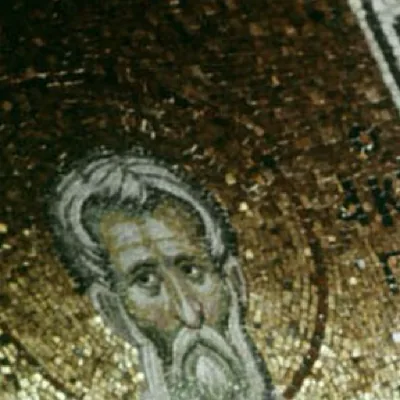
Gregorius Agrigentinus
Saint Gregory of Agrigento
Bishop of Agrigento, commentator on Ecclesiastes
Bishop of Agrigento in the time of Gregory the Great, slandered and then rehabilitated at Rome according to his Greek Vita, he is venerated in the East as in the West and passes for the author of a commentary on Ecclesiastes.
A bishop Gregory of Agrigento is attested by the correspondence of Gregory the Great: in 591 the pope summoned him with the bishops of Catania and Palermo to answer accusations, called him to Rome, where he was still in 594, then mentions him among the bishops of Sicily in 603. His Greek Vita, written in the eighth or ninth century by Leontius, a monk of Saint Sabas in Rome, tells a more romantic life: born near Agrigento around 559, he went on pilgrimage to Jerusalem, was ordained deacon there, stayed at Constantinople, then was consecrated bishop of his city at Rome.
According to the same account, hostile clerics accused him of having received a woman into his house; imprisoned at Rome for more than two years, he was acknowledged innocent and returned to his see, where he turned into a church the ancient temple known as the Temple of Concordia, which partly explains its preservation. A Greek commentary on Ecclesiastes is attributed to him. The Roman Martyrology commemorates him on 23 November as the bishop who “opened the divine mysteries to the ignorant”; the Greek, Armenian and Georgian Churches also honour him.
Celebrated on the same day
Blessed Enrichetta Alfieri
The "Angel of San Vittore"
Blessed Margaret of Savoy
Marchioness of Montferrat, Dominican at Alba
Blessed Miguel Agustín Pro
The clandestine Jesuit of Mexico City
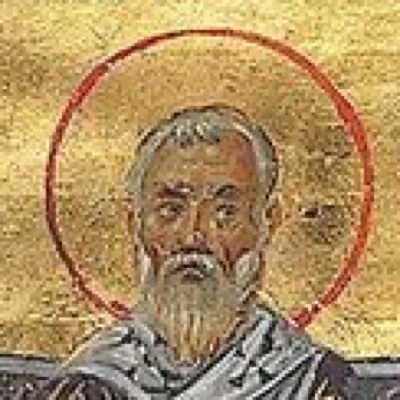
Saint Amphilochius of Iconium
Bishop of Iconium
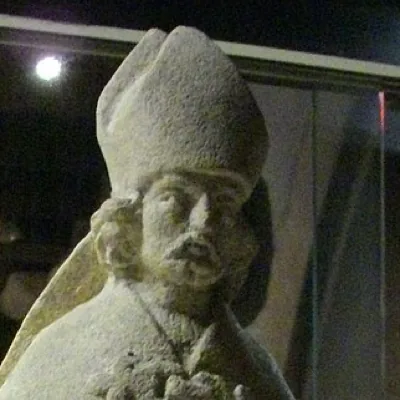
Saint Clement of Metz
First Bishop of Metz
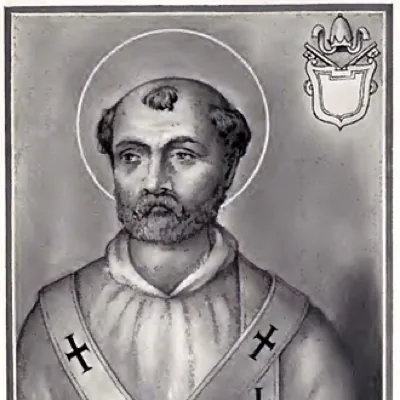
Saint Clement I
Pope and martyr, author of the Letter to the Corinthians
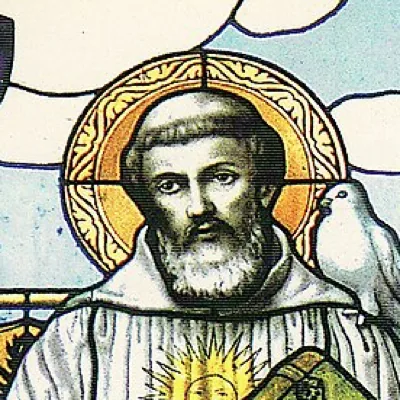
Saint Columbanus
Irish monk, founder of Luxeuil
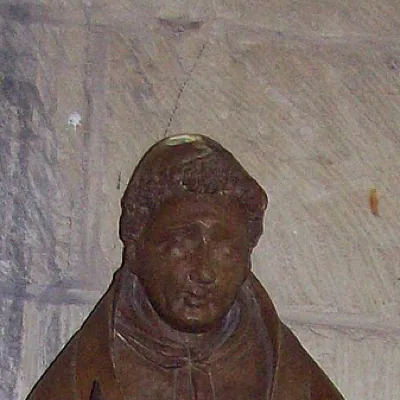
Saint Trudo
Priest, founder of Sint-Truiden, apostle of Hesbaye
Venerable Pelágio Sauter
Padre Pelágio, missionary of Goiás
In the same region
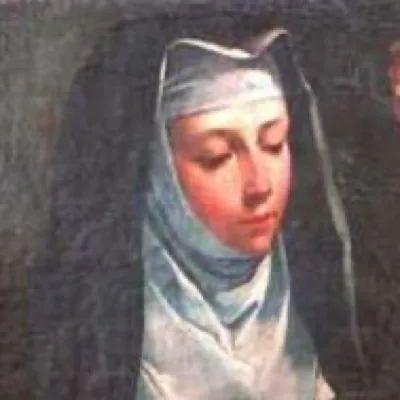
Blessed Angelina of Marsciano
Foundress of the Franciscan Sisters of the Third Order Regular
Blessed Anna Rosa Gattorno
Widow, foundress of the Daughters of St Anne
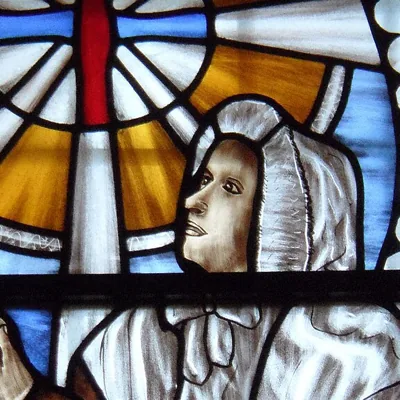
Blessed Anna Maria Taigi
Mother of a family and Roman mystic