
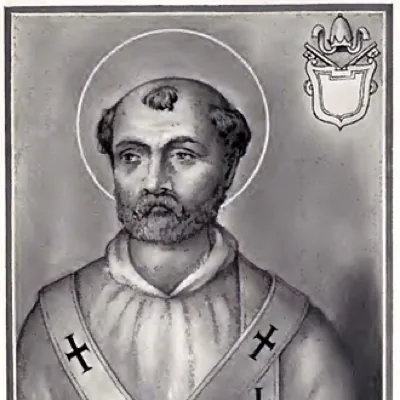
Third successor of Saint Peter, Clement addressed to the Christians of Corinth around 96 a letter that counts among the oldest Christian writings after the New Testament; tradition has him die in exile in the Crimea.
Saint Irenaeus, who places him third after the apostles, states that Clement ‘had seen the blessed apostles and had been conversant with them’ (Against Heresies, III, 3, 3). Around 96, in the name of the Church of Rome, he wrote to that of Corinth, divided by the removal of its presbyters, to restore the peace and order established by the apostles. This letter, which according to Eusebius was still read at Corinth in the assemblies around 170, recalls the martyrdom of Peter and Paul and bears witness to the authority which the Roman Church already exercised beyond its walls.
His end is known only from a Greek Passion of the fourth century: exiled by Trajan to the Chersonese, in the Crimea, he is said to have been condemned to the quarries with other Christians, to have caused a spring to gush forth there, and then to have been thrown into the sea with an anchor round his neck, hence his patronage of sailors. Around 867 Saint Cyril, the apostle of the Slavs, brought back from the Crimea to Rome relics recognised as his; they were placed in the basilica of San Clemente, near the Colosseum, where Cyril himself was buried in 869.
The Roman Martyrology of 2004 keeps for him the title of martyr and recalls on 23 November the burial of his body in Rome; his memorial is in the General Roman Calendar. His name appears in the Roman Canon of the Mass, and an abundant apocryphal literature, the so-called Clementine writings, was placed under his authority.
Explore the 11 moments of their life →
Love unites us to God; love covereth a multitude of sins; love beareth all things, is longsuffering in all things.
Celebrated on the same day
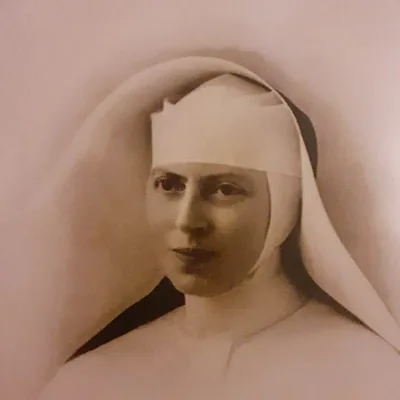
Blessed Enrichetta Alfieri
The "Angel of San Vittore"
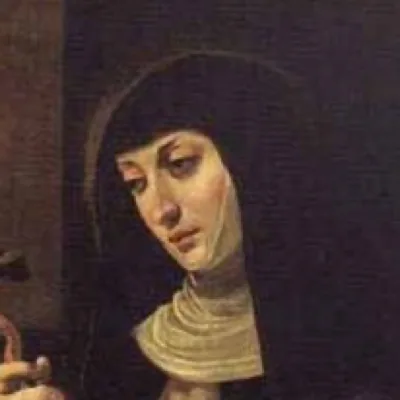
Blessed Margaret of Savoy
Marchioness of Montferrat, Dominican at Alba
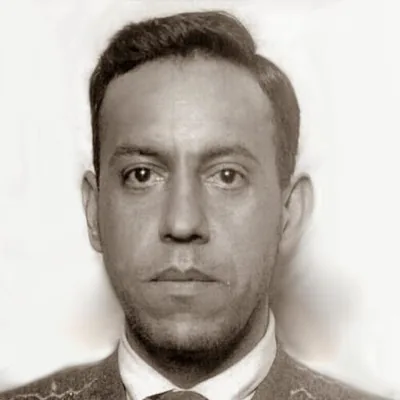
Blessed Miguel Agustín Pro
The clandestine Jesuit of Mexico City
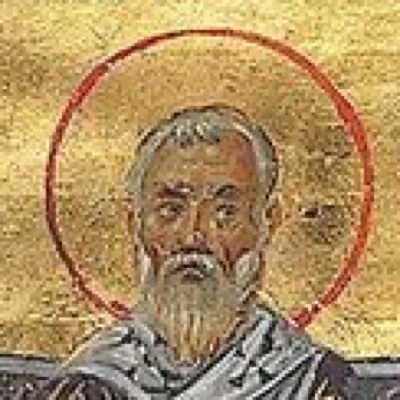
Saint Amphilochius of Iconium
Bishop of Iconium
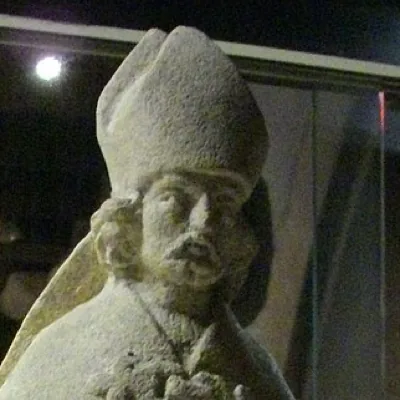
Saint Clement of Metz
First Bishop of Metz
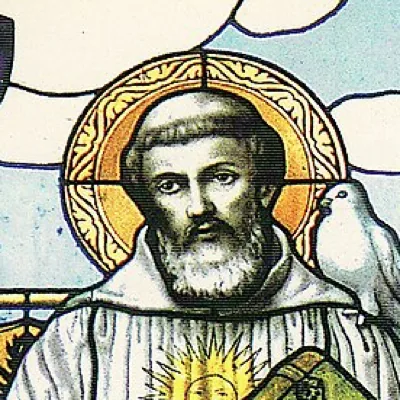
Saint Columbanus
Irish monk, founder of Luxeuil
Saint Gregory of Agrigento
Bishop of Agrigento, commentator on Ecclesiastes
Saint Trudo
Priest, founder of Sint-Truiden, apostle of Hesbaye
Venerable Pelágio Sauter
Padre Pelágio, missionary of Goiás
In the same region
Blessed Angelina of Marsciano
Foundress of the Franciscan Sisters of the Third Order Regular
Blessed Anna Rosa Gattorno
Widow, foundress of the Daughters of St Anne
Blessed Anna Maria Taigi
Mother of a family and Roman mystic