
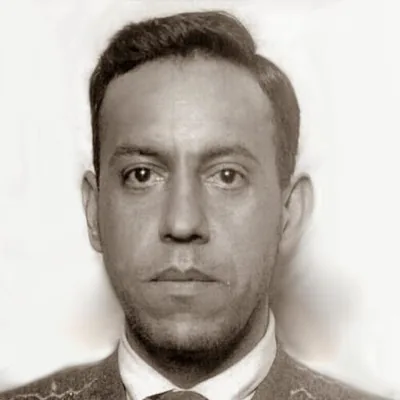
A Jesuit who came home ill from Europe, he brought the sacraments to Mexico City under a thousand disguises before being shot without trial in 1927, arms outstretched in the form of a cross, before photographers summoned by the government.
José Ramón Miguel Agustín Pro Juárez was born on 13 January 1891 at Guadalupe, in Zacatecas, the third of eleven children of a mining engineer; he grew up mostly at Concepción del Oro and from adolescence worked in his father’s mining office. On 15 August 1911 he entered the Jesuit novitiate of El Llano, in Michoacán. Driven out by the revolution, the novices left for California, then Miguel studied in Spain, taught in Nicaragua and completed his theology at Enghien, in Belgium, where he was ordained priest on 31 August 1925. Suffering from a serious stomach illness and operated on several times, he was sent back to Mexico, where he landed at Veracruz on 8 July 1926.
Three weeks later the Calles Law came into force and public worship was suspended. In Mexico City, Miguel Pro exercised his ministry clandestinely: disguised as a workman, a student or a mechanic, going about by bicycle, he celebrated Mass in houses, heard confessions, baptised, preached retreats and gave out as many as hundreds of communions a day, with a humour that made him popular. On 13 November 1927 a bomb was thrown at the car of former president Álvaro Obregón; the automobile used had belonged to one of his brothers. Although the engineer Luis Segura Vilchis declared himself solely responsible, Miguel and his brothers Humberto and Roberto were arrested.
On the direct order of President Plutarco Elías Calles and without any trial, Miguel Pro was shot on 23 November 1927 in the courtyard of the General Inspectorate of Police in Mexico City, with his brother Humberto, Luis Segura Vilchis and Juan Tirado; Roberto was pardoned at the last moment. He refused the blindfold, prayed on his knees, then rose and stretched out his arms in the form of a cross. The government had summoned the press to photograph the execution, but these images, published throughout the country, became objects of devotion. John Paul II beatified him as a martyr on 25 September 1988; his remains rest in the church of the Sagrada Familia in Mexico City.
Long live Christ the King!
Celebrated on the same day
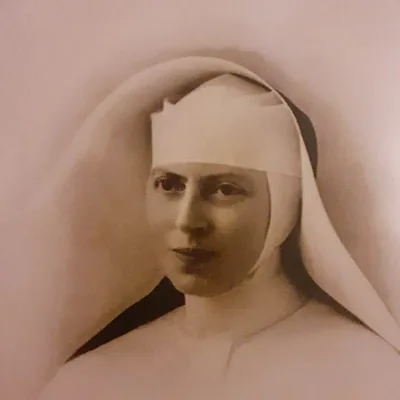
Blessed Enrichetta Alfieri
The "Angel of San Vittore"
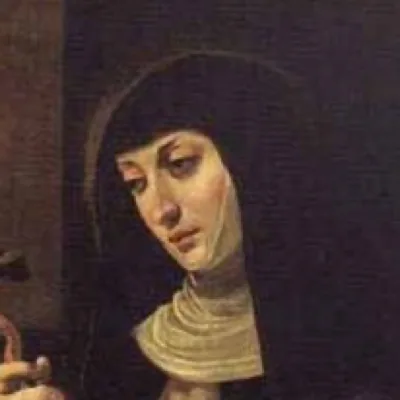
Blessed Margaret of Savoy
Marchioness of Montferrat, Dominican at Alba
Saint Amphilochius of Iconium
Bishop of Iconium
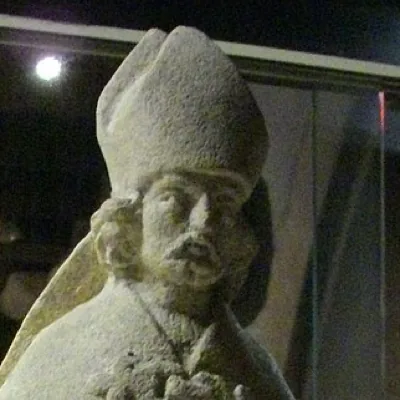
Saint Clement of Metz
First Bishop of Metz
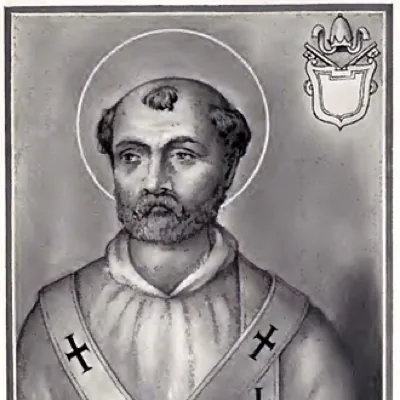
Saint Clement I
Pope and martyr, author of the Letter to the Corinthians
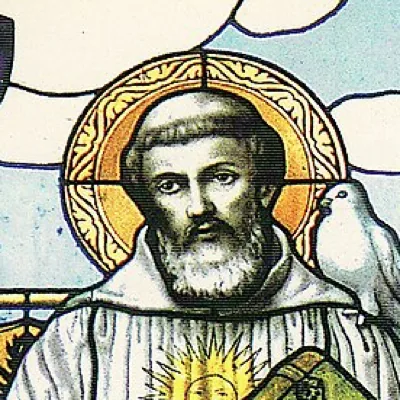
Saint Columbanus
Irish monk, founder of Luxeuil
Saint Gregory of Agrigento
Bishop of Agrigento, commentator on Ecclesiastes
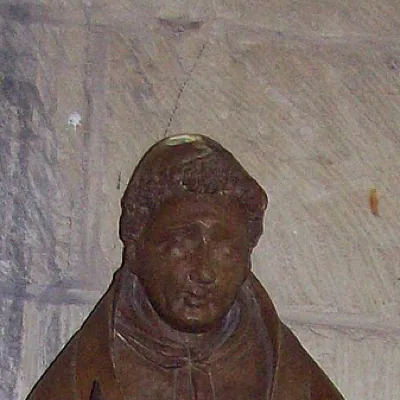
Saint Trudo
Priest, founder of Sint-Truiden, apostle of Hesbaye
Venerable Pelágio Sauter
Padre Pelágio, missionary of Goiás
In the same region
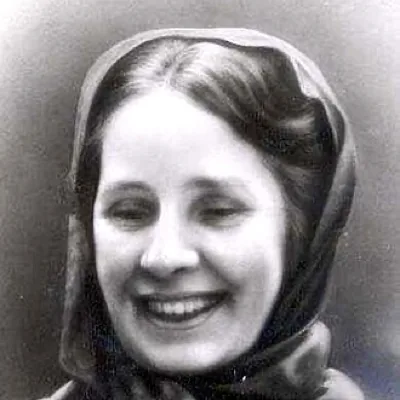
Blessed Concepción Cabrera de Armida
Conchita, mother of a family and mystic
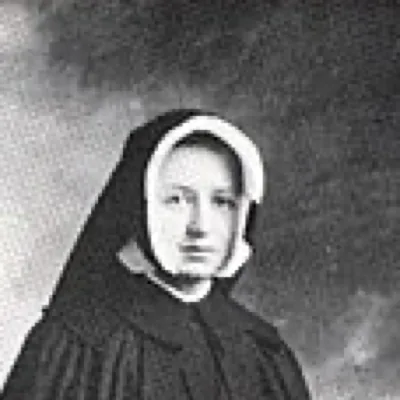
Blessed Dina Bélanger
Pianist and mystic of Jesus and Mary
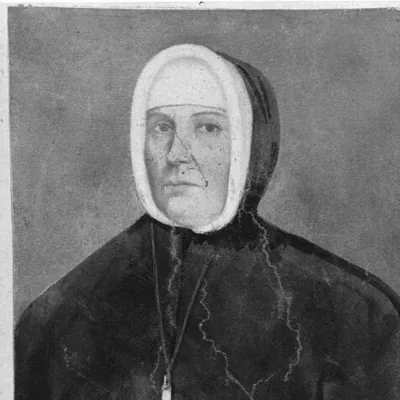
Blessed Émilie Tavernier-Gamelin
Foundress of the Sisters of Providence