
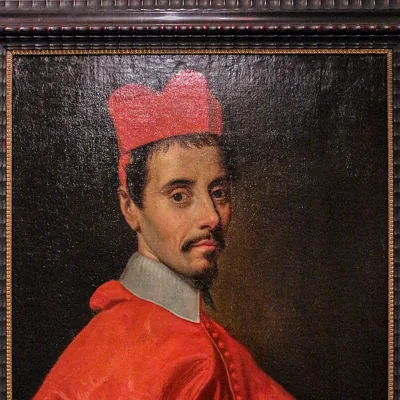
A Venetian patrician who became bishop of Bergamo and then of Padua, he was, in the line of Charles Borromeo, a reforming pastor and the founder of a seminary famous for its oriental languages.
Gregorio Barbarigo was born at Venice on 16 September 1625 into a patrician family. As a young man he accompanied in 1643 the Venetian ambassador Alvise Contarini to the negotiations of Münster, which would lead to the Peace of Westphalia; there he formed a friendship with the nuncio Fabio Chigi, the future Alexander VII. A doctor in utroque iure of Padua, he was ordained priest in 1655.
Called to Rome by Alexander VII, he devoted himself there to the sick during the plague of 1656. Appointed bishop of Bergamo in 1657 and cardinal in 1660, he was transferred to Padua in 1664 and remained there until his death. An imitator of Charles Borromeo, he visited all his parishes, held synods and reorganised his seminary, endowed with a library and a printing press which published works in Greek, Hebrew, Arabic and other oriental languages, with the aim of bringing the Latin Church closer to the Churches of the East.
He died at Padua on 18 June 1697 and rests in the cathedral. Beatified in 1761, he was canonised by John XXIII in 1960.
Celebrated on the same day
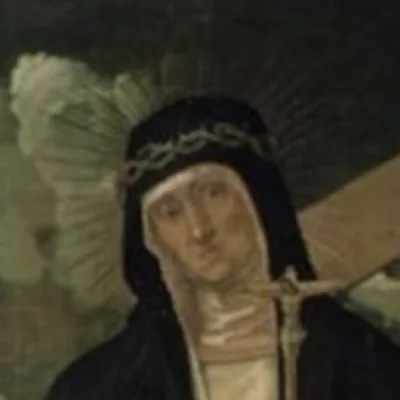
Blessed Osanna of Mantua
Dominican tertiary, counsellor of the Gonzagas
Saint Calogerus
Hermit of Mount Kronio, evangeliser of western Sicily
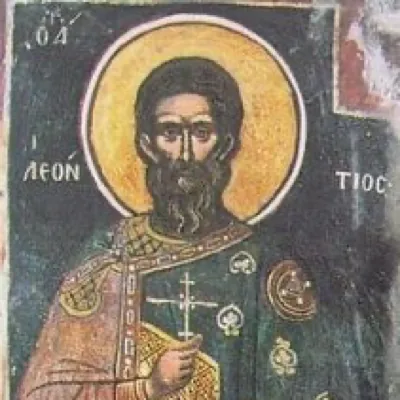
Saint Leontius of Tripoli
Soldier martyr
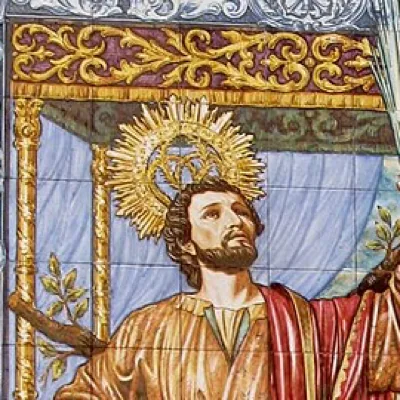
Saints Cyriacus and Paula
Martyrs, patrons of Málaga
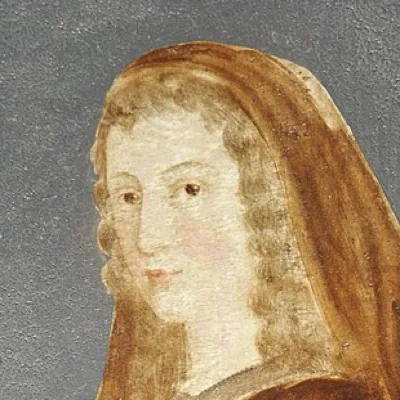
Venerable Jeanne Mance
Co-foundress of Montreal and of the Hôtel-Dieu
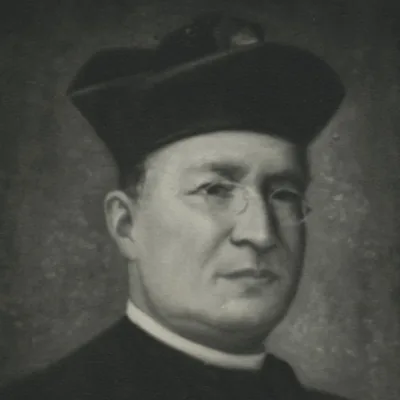
Venerable Julio María Matovelle
Founder of the Oblates of the Sacred Hearts
In the same region
Blessed Angelina of Marsciano
Foundress of the Franciscan Sisters of the Third Order Regular
Blessed Anna Rosa Gattorno
Widow, foundress of the Daughters of St Anne
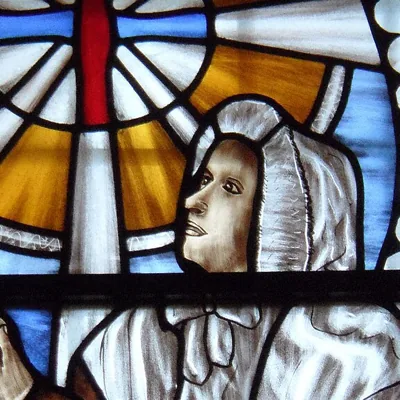
Blessed Anna Maria Taigi
Mother of a family and Roman mystic