
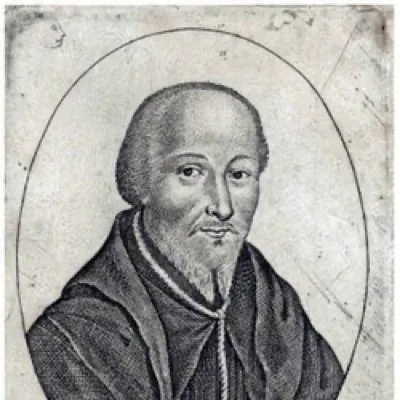
A Benedictine of Saint Gregory’s at Douai, he was for twenty-four years the hidden pastor of the poor of south Lancashire, before being arrested on Easter Day 1641 and hanged at Lancaster.
Born in 1585 at Barlow Hall, near Manchester, into a family of the minor gentry afflicted with fines and imprisonment for its Catholic fidelity, Edward Barlow was brought up as a page in the house of a Protestant cousin and returned to Catholicism only in 1607. He studied at the English Colleges of Douai and Valladolid, then entered in 1615 the English Benedictines of Saint Gregory at Douai, the present Downside Abbey, where he took the name of Ambrose; he was ordained priest in 1617.
Back in England, he lived at Morleys Hall, at Astley, and for twenty-four years travelled south Lancashire, celebrating Mass in secret and receiving the poor at his table on great feasts; his contemporaries compared his gentleness and humour with those of Thomas More. Arrested and released four times, he refused to flee after the proclamation of March 1641 against priests, although an attack had left him partly paralysed.
On Easter Day, 25 April 1641, the vicar of Leigh surrounded Morleys Hall with some four hundred men while Father Ambrose was preaching to a hundred and fifty of the faithful. Condemned at the Lancaster assizes, he was hanged, drawn and quartered on 10 September 1641; his skull is preserved at Wardley Hall. Beatified in 1929, he was canonised in 1970.
Celebrated on the same day
Blessed Isabel Fernandez
Widow of Domingos Jorge, martyr with her son Ignatius
Blessed Lucy de Freitas
Japanese widow, Franciscan tertiary, burned alive at eighty
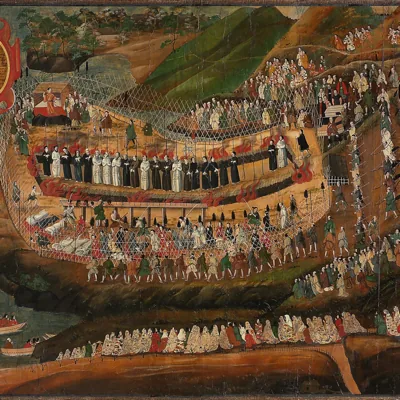
Blessed 205 Martyrs of Japan
Martyrs of the Tokugawa persecution (1617–1632)
Blessed Alphonsus de Mena and Joseph of Saint Hyacinth
Spanish Dominicans, martyrs of Nagasaki
Blessed Angelo Orsucci
Dominican of Lucca, martyr of Nagasaki
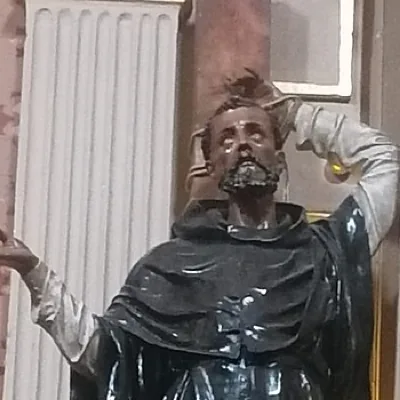
Blessed Bartolomé Gutiérrez and Companions
Martyrs of the springs of Unzen, burned at Nagasaki (1632)
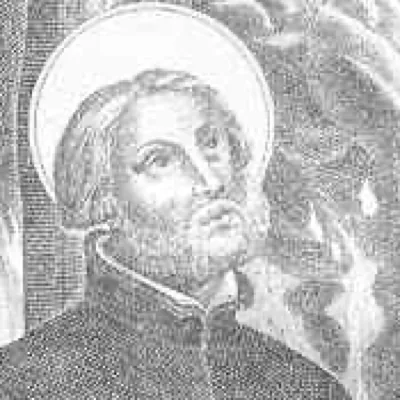
Blessed Charles Spinola
Jesuit, martyr of the great martyrdom of Nagasaki
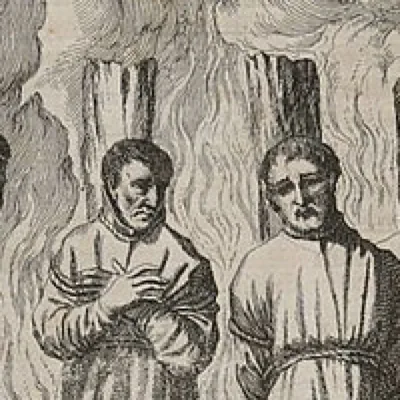
Blessed Charles Spinola and Companions
The Great Martyrdom of Nagasaki (10 September 1622)
Blessed Dominic Castellet and his Companions
Dominican and Franciscan martyrs of Nagasaki (1628)
Blessed Francis Gálvez
Discalced Franciscan, martyr of the great martyrdom of Edo
Blessed Francis Morales
Dominican, founder of the Dominican mission of Japan
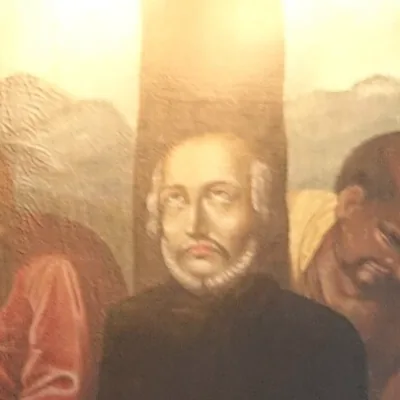
Blessed Francis Pacheco and Companions
Jesuit martyrs of Nagasaki (1626)
Blessed Hyacinth Orfanell
Dominican, historian of the Japanese Church
Blessed Louis Sasada
Japanese Franciscan priest, son of a martyr, companion of Louis Sotelo
Blessed Louis Sotelo
Franciscan, organiser of the embassy of Date Masamune to Europe, martyr
Blessed Peter of Ávila and Vincent of Saint Joseph
Discalced Franciscans, priest and brother, martyrs of Nagasaki
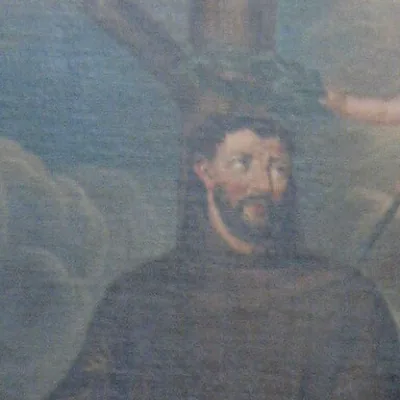
Blessed Richard of Saint Anne
Recollect Franciscan from Hainaut, martyr of Nagasaki
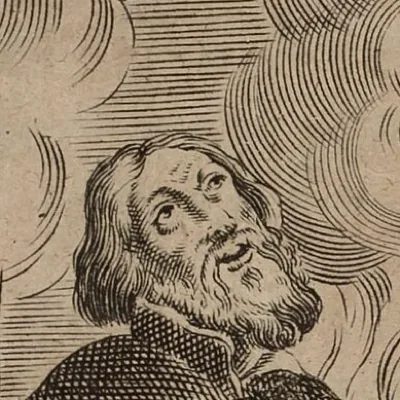
Blessed Sebastian Kimura
Jesuit, first Japanese priest
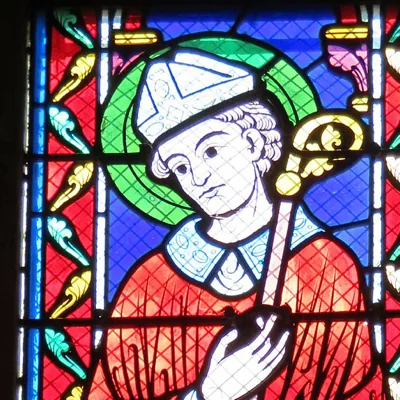
Saint Aubert of Avranches
Founder of Mont-Saint-Michel
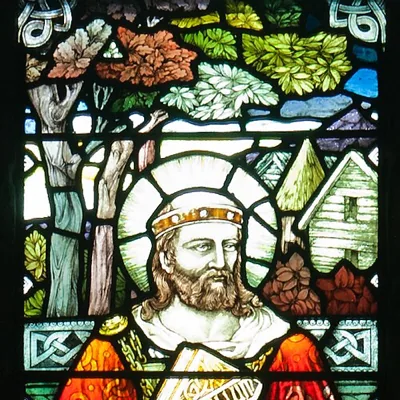
Saint Finnian of Movilla
Abbot of Movilla
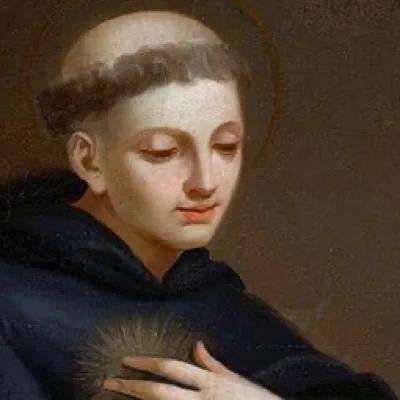
Saint Nicholas of Tolentino
Hermit of Saint Augustine, friend of the souls in purgatory
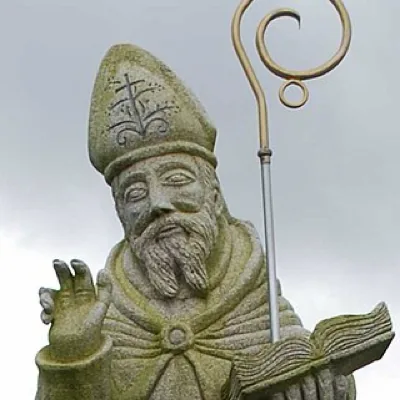
Saint Peter of Mezonzo
Bishop of Compostela
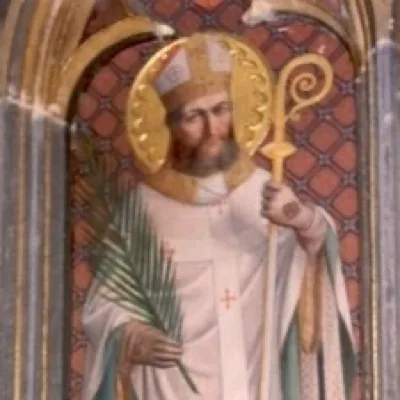
Saint Theodard of Maastricht
Bishop of Tongeren-Maastricht, martyr
Saint Pulcheria
Empress
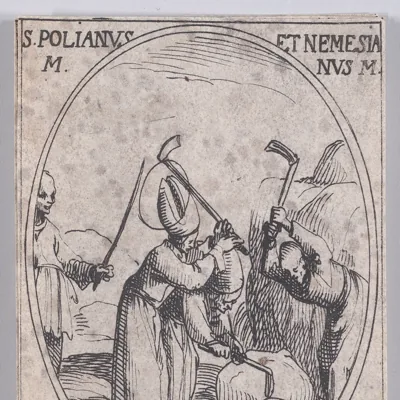
Saints Nemesian and Companions
Confessor bishops condemned to the mines
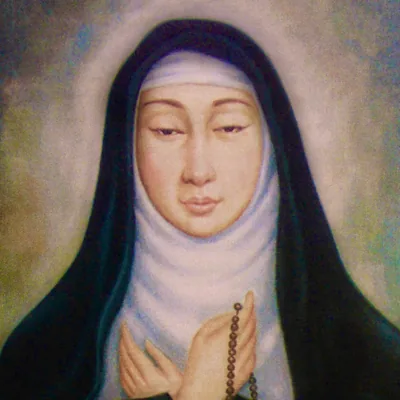
Venerable Ignacia del Espíritu Santo
Foundress of the first congregation of Filipino religious women
In the same region
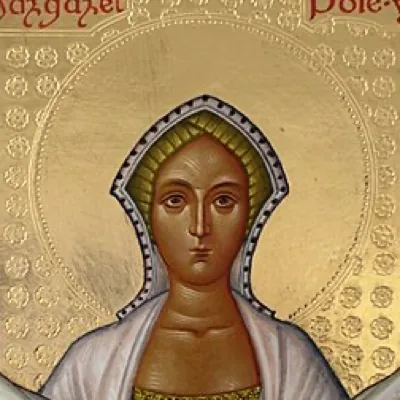
Blessed Margaret Pole
Countess of Salisbury, martyr
Blessed Adrian Fortescue
Knight of Malta, Dominican tertiary, martyr
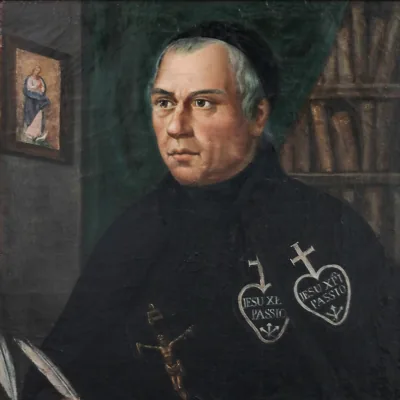
Blessed Dominic Barberi
Passionist, apostle of England