
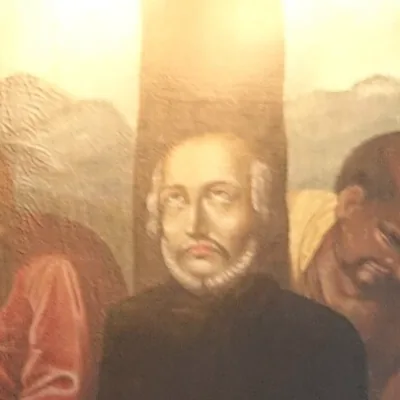
The superior of the Jesuits of Japan, two other European priests and six Japanese religious, one of them a Korean, burned alive at Nagasaki in 1626, followed by the families who had sheltered them.
Born in 1566 at Ponte de Lima, in Portugal, Francisco Pacheco entered the Society of Jesus at Coimbra, was ordained priest at Goa and worked in Japan from the beginning of the seventeenth century; twice driven out by the persecution, he returned each time and led the Jesuit province of Japan. Arrested at Kuchinotsu at the end of 1625, he was burned alive at Nagasaki on 20 June 1626 with the Granadan Baltasar de Torres, the Brescian Giovanni Battista Zola and six Japanese religious and catechists of the Society — Peter Rinsei, John Kisaku, Paul Shinsuke, Michael Tōzō, Gaspar Sadamatsu and Vincent Kaun, born in Korea.
On the following 12 July, those who had sheltered them — the Araki, Onizuka and Tanaka families, with a child of four — were burned in their turn; Mancio Araki had died in prison at Shimabara a few days earlier. All were beatified in 1867 among the 205 martyrs of Japan.
Celebrated on the same day
Blessed Isabel Fernandez
Widow of Domingos Jorge, martyr with her son Ignatius
Blessed Lucy de Freitas
Japanese widow, Franciscan tertiary, burned alive at eighty
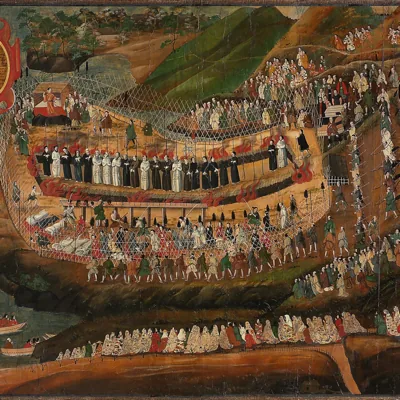
Blessed 205 Martyrs of Japan
Martyrs of the Tokugawa persecution (1617–1632)
Blessed Alphonsus de Mena and Joseph of Saint Hyacinth
Spanish Dominicans, martyrs of Nagasaki
Blessed Angelo Orsucci
Dominican of Lucca, martyr of Nagasaki
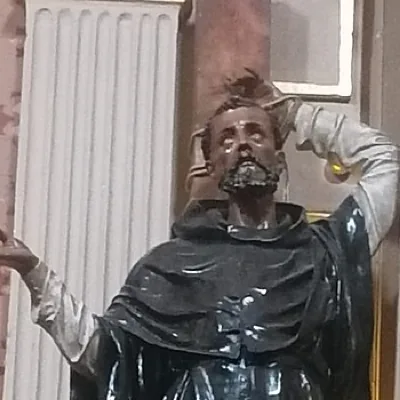
Blessed Bartolomé Gutiérrez and Companions
Martyrs of the springs of Unzen, burned at Nagasaki (1632)
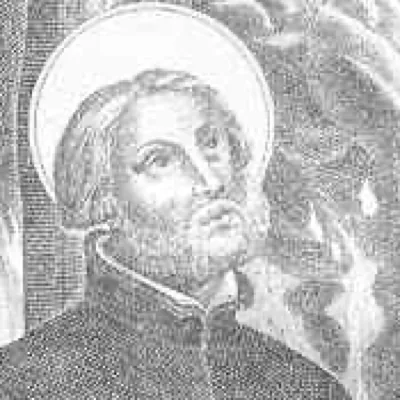
Blessed Charles Spinola
Jesuit, martyr of the great martyrdom of Nagasaki
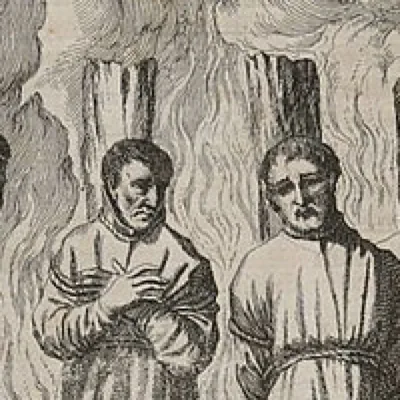
Blessed Charles Spinola and Companions
The Great Martyrdom of Nagasaki (10 September 1622)
Blessed Dominic Castellet and his Companions
Dominican and Franciscan martyrs of Nagasaki (1628)
Blessed Francis Gálvez
Discalced Franciscan, martyr of the great martyrdom of Edo
Blessed Francis Morales
Dominican, founder of the Dominican mission of Japan
Blessed Hyacinth Orfanell
Dominican, historian of the Japanese Church
Blessed Louis Sasada
Japanese Franciscan priest, son of a martyr, companion of Louis Sotelo
Blessed Louis Sotelo
Franciscan, organiser of the embassy of Date Masamune to Europe, martyr
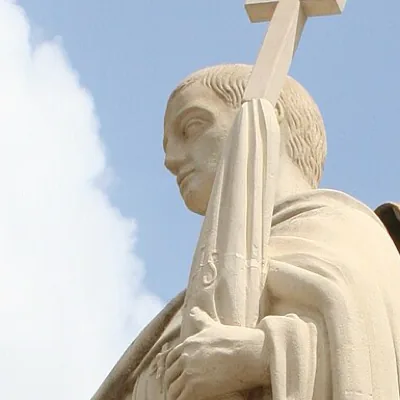
Blessed Peter of Ávila and Vincent of Saint Joseph
Discalced Franciscans, priest and brother, martyrs of Nagasaki
Blessed Richard of Saint Anne
Recollect Franciscan from Hainaut, martyr of Nagasaki
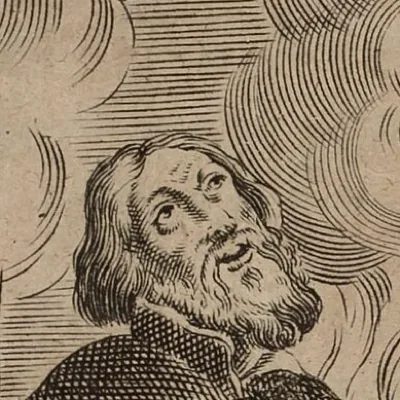
Blessed Sebastian Kimura
Jesuit, first Japanese priest
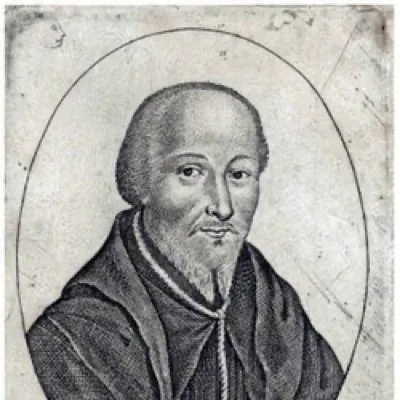
Saint Ambrose Barlow
Benedictine monk, martyr of Lancashire
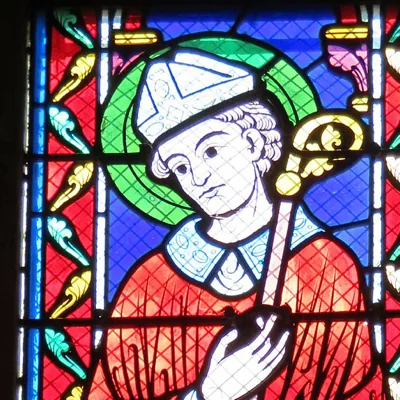
Saint Aubert of Avranches
Founder of Mont-Saint-Michel
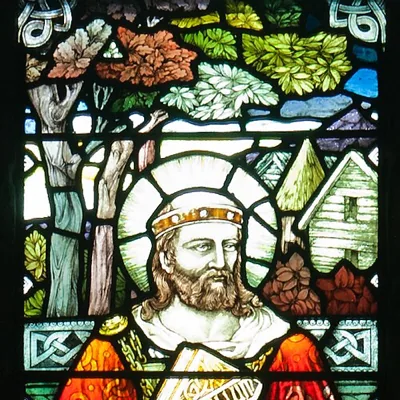
Saint Finnian of Movilla
Abbot of Movilla
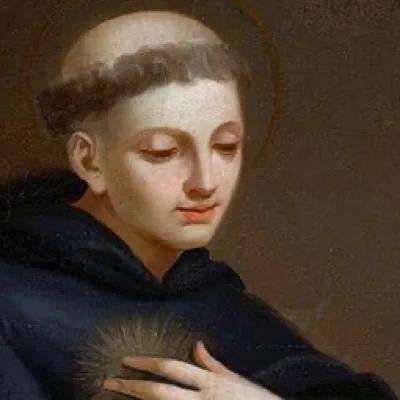
Saint Nicholas of Tolentino
Hermit of Saint Augustine, friend of the souls in purgatory
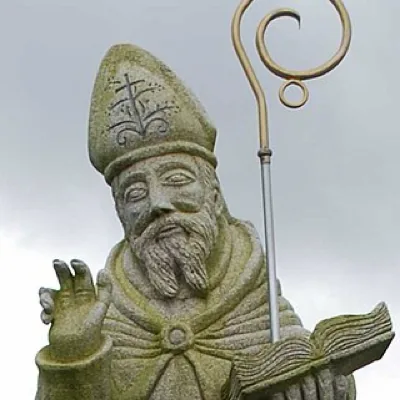
Saint Peter of Mezonzo
Bishop of Compostela
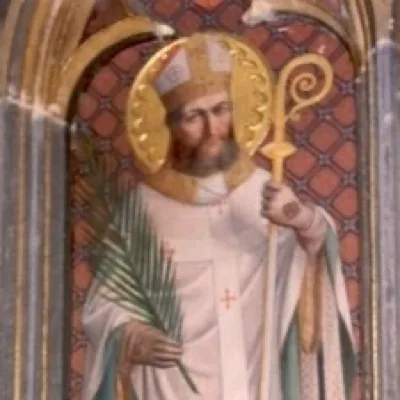
Saint Theodard of Maastricht
Bishop of Tongeren-Maastricht, martyr
Saint Pulcheria
Empress
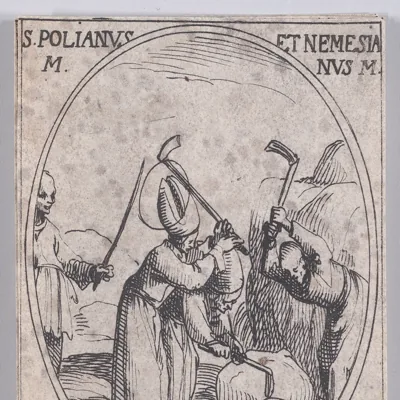
Saints Nemesian and Companions
Confessor bishops condemned to the mines
Venerable Ignacia del Espíritu Santo
Foundress of the first congregation of Filipino religious women