
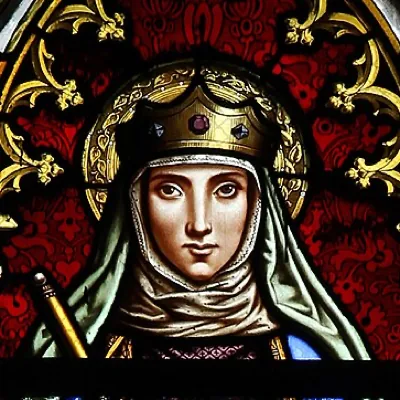
A Thuringian princess captured by the Franks and married to Clothar I, she left the king to found at Poitiers the monastery of Sainte-Croix, where she lived some thirty years as a simple nun.
Born around 520, daughter of the Thuringian king Berthar, Radegund was brought up at the court of her uncle Hermanfrid. In 531 the Frankish kings Theuderic I and Clothar I conquered Thuringia; the child, about ten years old, taken prisoner, fell to Clothar, who had her brought up in the royal villa of Athies, in the Vermandois, where she learnt letters and Scripture. Around 539 he married her at Soissons. A queen in spite of herself, she devoted her goods to the poor and the sick.
When Clothar had her brother killed, around 550-555, she left the court and obtained from Saint Medard, at Noyon, to be consecrated a deaconess. She withdrew first to Saix, where she opened a hospice, then founded at Poitiers, around 552, a women's monastery whose direction she entrusted to the abbess Agnes, reserving for herself the humblest tasks, and which she placed under the rule of Saint Caesarius of Arles. In 569 the emperor Justin II sent her a relic of the True Cross, which gave the monastery its name of Sainte-Croix; Venantius Fortunatus composed the “Vexilla Regis” for the occasion.
In her last years she worked for peace among the sons of Clothar and addressed to the kings and bishops a letter to protect her monastery. She died on 13 August 587; Gregory of Tours attended her funeral and she was buried in the church that now bears her name, at Poitiers, where her tomb is still venerated. Her life is known from Venantius Fortunatus and from Baudonivia, a nun of Sainte-Croix. The abbey of Sainte-Croix, now established at Saint-Benoît, near Poitiers, preserves the relic of the Cross. Radegund is the patron of Poitiers.
Celebrated on the same day
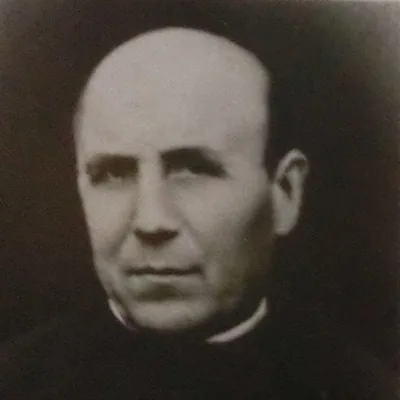
Blessed Felipe de Jesús Munárriz and his Companions
Claretian martyrs of Barbastro
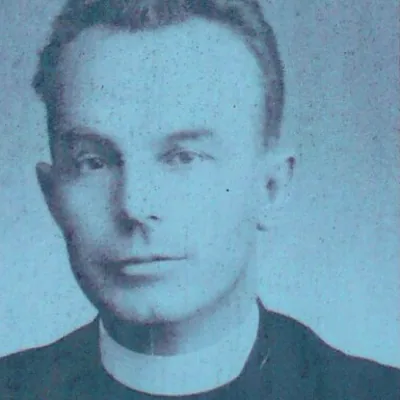
Blessed Jakob Gapp
Tyrolean Marianist, martyr
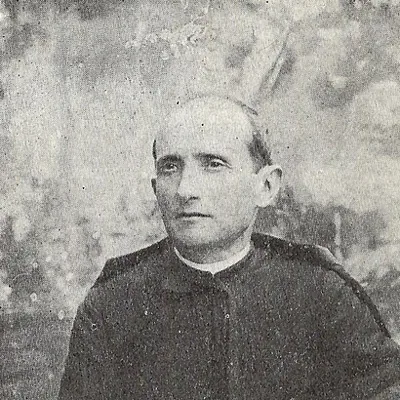
Blessed Josep Tàpies i Sirvant and Companions
Martyrs of Salàs de Pallars, priests of the Diocese of Urgell
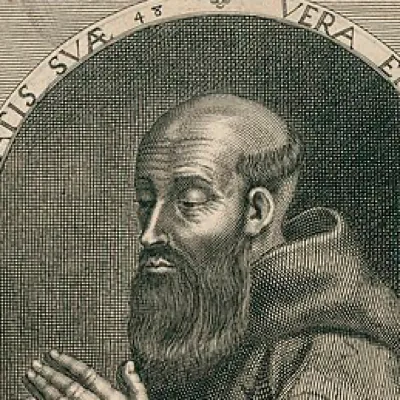
Blessed Mark of Aviano
Capuchin preacher, papal legate at the Battle of Vienna
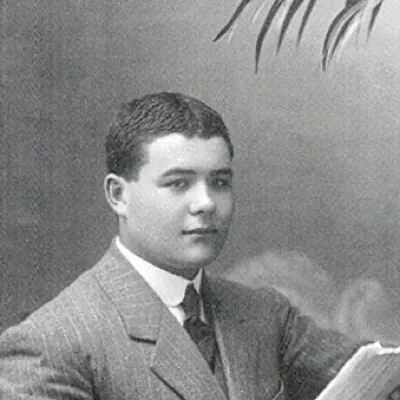
Blessed Marià Mullerat i Soldevila
Doctor and mayor of Arbeca, martyr
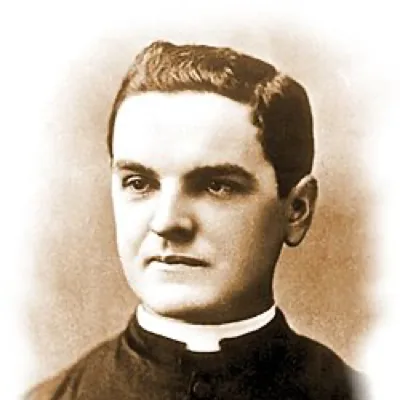
Blessed Michael McGivney
Founder of the Knights of Columbus
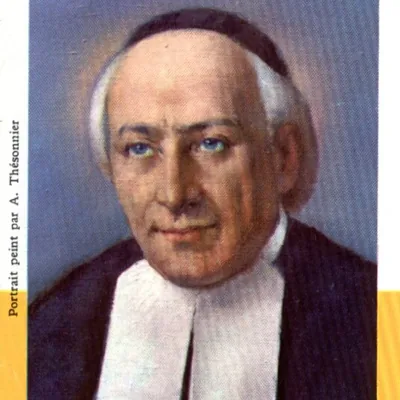
Saint Benildus Romançon
Brother of the Christian Schools, director at Saugues
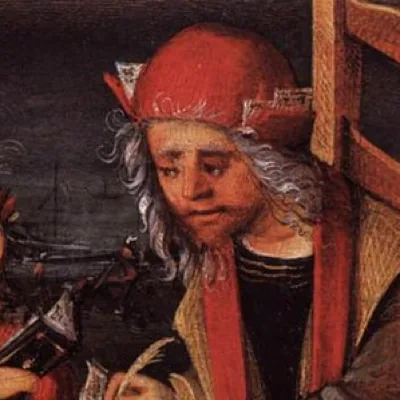
Saint Cassian of Imola
Schoolmaster and martyr
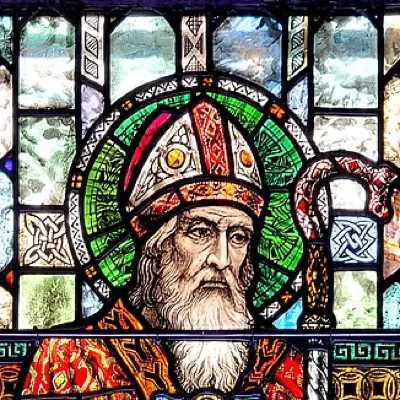
Saint Fachtna of Ross
Founder of the school of Ross
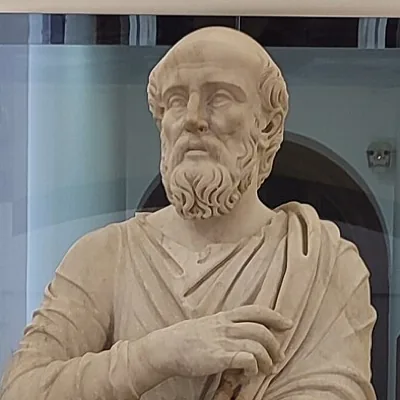
Saint Hippolytus of Rome
Priest and martyr, theologian of Rome
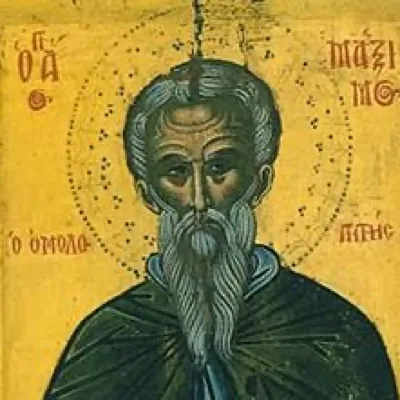
Saint Maximus the Confessor
Monk, theologian, confessor of the faith
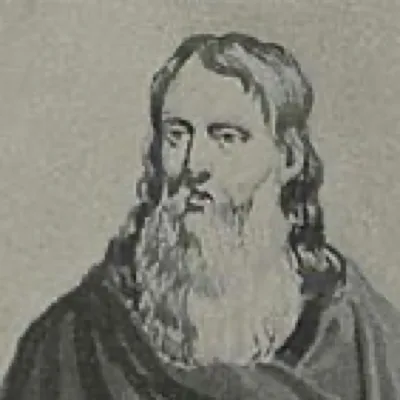
Saint Nerses Shnorhali
Catholicos of the Armenians, poet
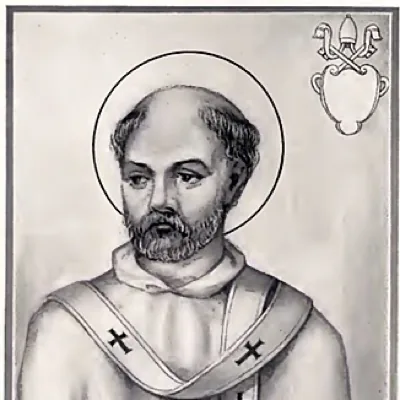
Saint Pontian
Pope and martyr, exiled to Sardinia
Saint Wigbert of Fritzlar
First abbot of Fritzlar
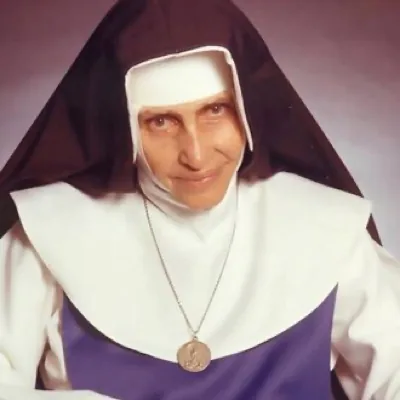
Saint Dulce of the Poor
The Good Angel of Bahia
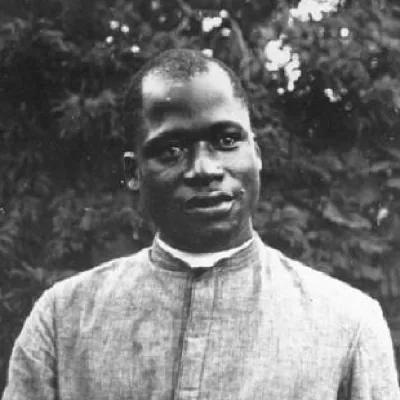
Venerable Simon Mpeke
“Baba Simon”, missionary priest to the Kirdi
In the same region
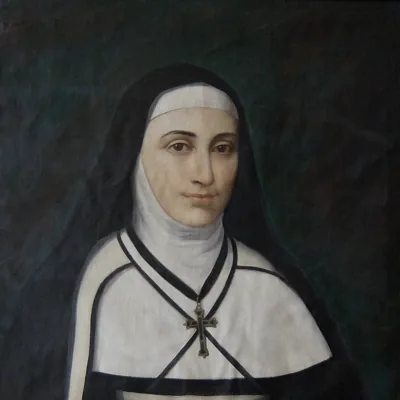
Blessed Adèle de Batz de Trenquelléon
Foundress of the Daughters of Mary Immaculate
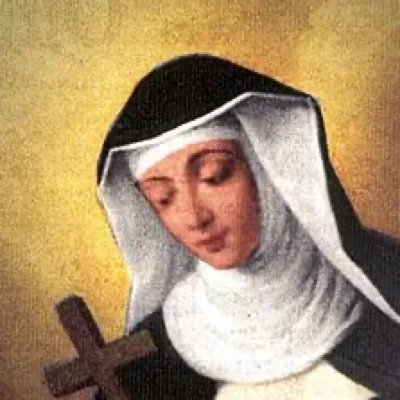
Blessed Agnes of Langeac
Dominican mystic of the Velay
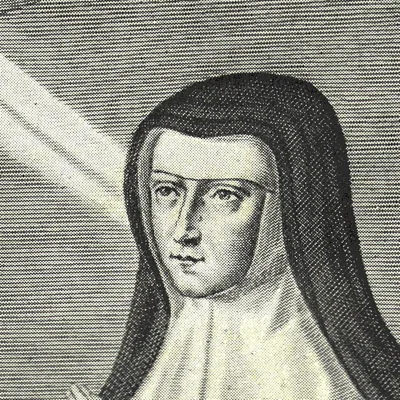
Blessed Alix Le Clerc
Foundress of the Congregation of Notre Dame