
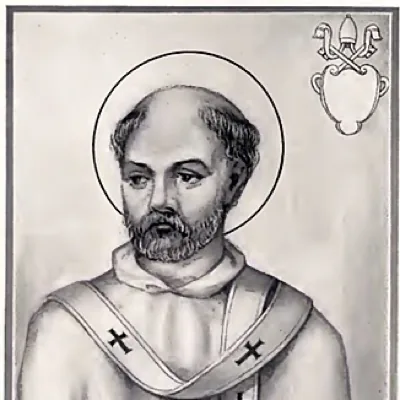
Bishop of Rome deported to Sardinia with the priest Hippolytus, Pontian resigned his office in exile on 28 September 235: this abdication is the first certain date in the history of the popes.
Successor of Urban in 230, Pontian governed the Church of Rome for five years. In 235 the emperor Maximinus Thrax turned against the leaders of the Christian communities. The Liberian Catalogue of 354 records that in that year, in the consulship of Severus and Quintianus, “Bishop Pontian and the priest Hippolytus were deported to Sardinia, the unhealthy island”, and that Pontian resigned his office there on 28 September; his successor Anterus was ordained on 21 November. This precise detail makes the end of his pontificate the first exactly known date in the history of the papacy.
Pontian died soon afterwards, probably exhausted by work in the mines. According to the Liber Pontificalis, Pope Fabian had his body brought back by boat and buried it in the catacomb of Callixtus, where his tombstone was found in the crypt of the popes: his name is engraved there in Greek, followed by an abbreviation of “martyr” added later. Hippolytus, a learned priest who had opposed Callixtus and formed a dissident community, shared his exile; tradition, echoed by Pope Damasus, sees in it the end of the schism.
The Depositio martyrum of 354 commemorates on 13 August “Hippolytus on the Via Tiburtina and Pontian in the cemetery of Callixtus”. The Roman Martyrology of 2004 celebrates them together on that day as martyrs, both having died as a result of their deportation; their memorial is entered in the General Roman Calendar.
Celebrated on the same day
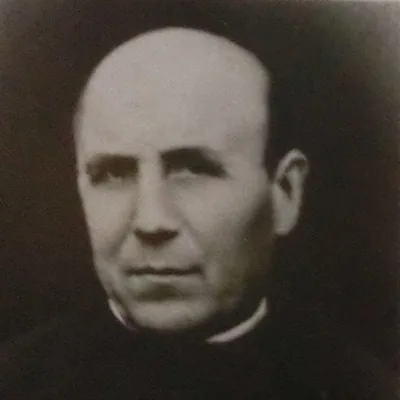
Blessed Felipe de Jesús Munárriz and his Companions
Claretian martyrs of Barbastro
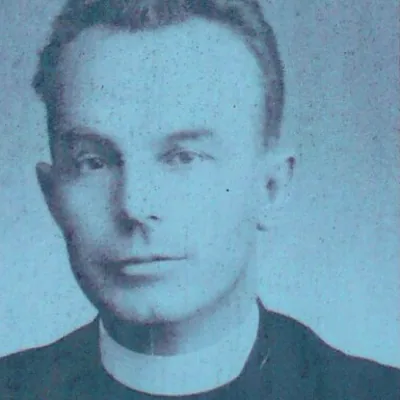
Blessed Jakob Gapp
Tyrolean Marianist, martyr
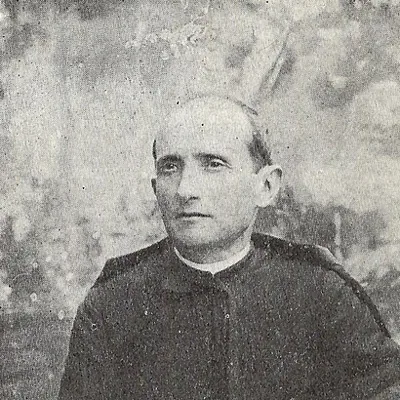
Blessed Josep Tàpies i Sirvant and Companions
Martyrs of Salàs de Pallars, priests of the Diocese of Urgell
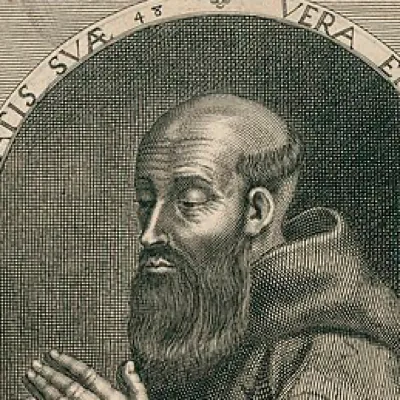
Blessed Mark of Aviano
Capuchin preacher, papal legate at the Battle of Vienna
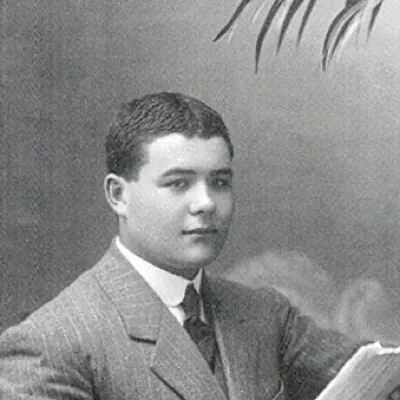
Blessed Marià Mullerat i Soldevila
Doctor and mayor of Arbeca, martyr
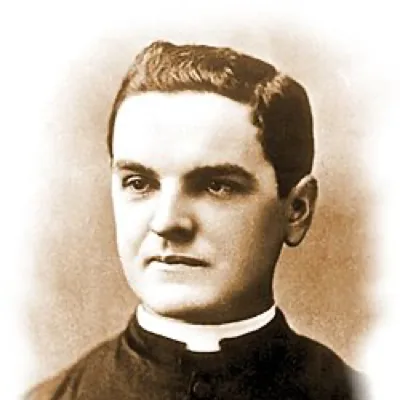
Blessed Michael McGivney
Founder of the Knights of Columbus
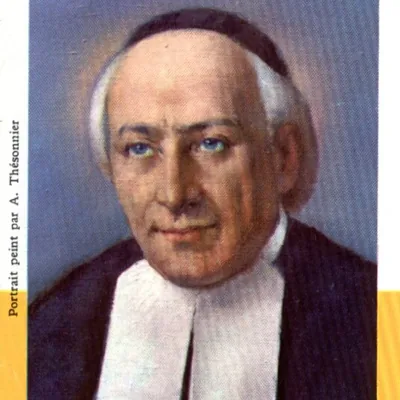
Saint Benildus Romançon
Brother of the Christian Schools, director at Saugues
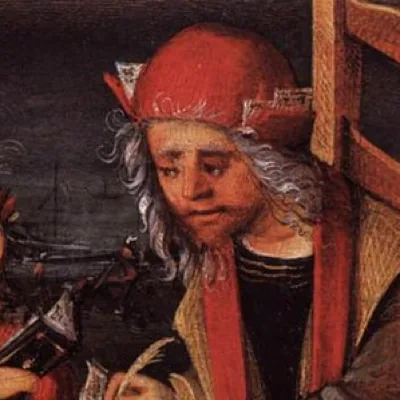
Saint Cassian of Imola
Schoolmaster and martyr
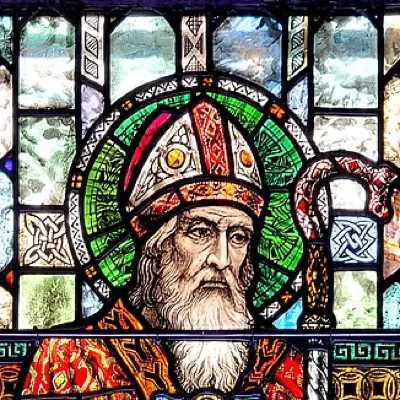
Saint Fachtna of Ross
Founder of the school of Ross
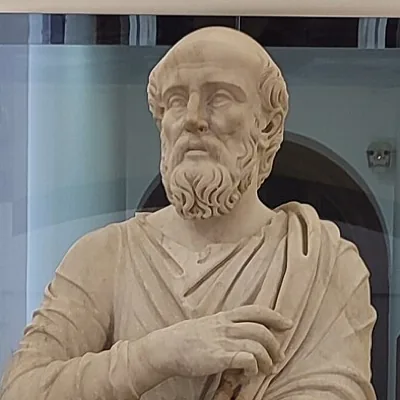
Saint Hippolytus of Rome
Priest and martyr, theologian of Rome
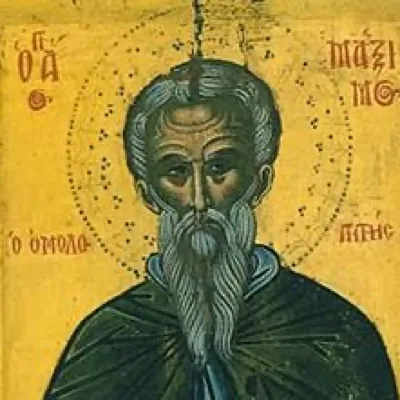
Saint Maximus the Confessor
Monk, theologian, confessor of the faith
Saint Nerses Shnorhali
Catholicos of the Armenians, poet
Saint Wigbert of Fritzlar
First abbot of Fritzlar

Saint Dulce of the Poor
The Good Angel of Bahia
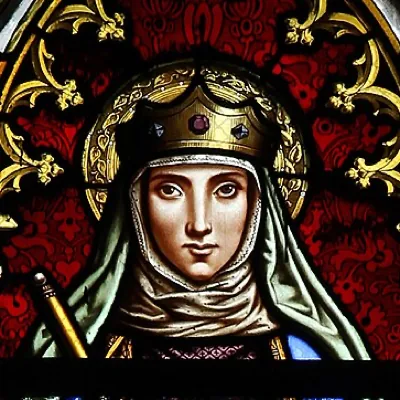
Saint Radegund
Queen of the Franks, foundress of Sainte-Croix
Venerable Simon Mpeke
“Baba Simon”, missionary priest to the Kirdi
In the same region
Blessed Angelina of Marsciano
Foundress of the Franciscan Sisters of the Third Order Regular
Blessed Anna Rosa Gattorno
Widow, foundress of the Daughters of St Anne
Blessed Anna Maria Taigi
Mother of a family and Roman mystic