
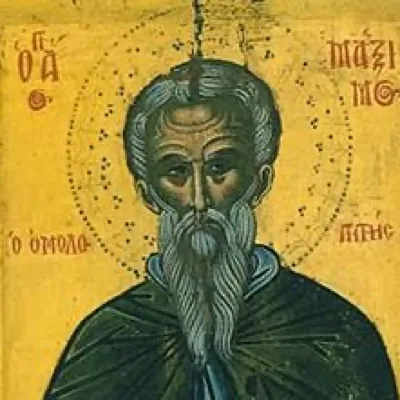
Maximus Confessor
Saint Maximus the Confessor
Monk, theologian, confessor of the faith
A high official who became a monk at Chrysopolis, the greatest Byzantine theologian of the seventh century, mutilated and exiled for having defended the two wills of Christ.
Born around 580, probably at Constantinople, Maximus was first secretary to Emperor Heraclius, then became a monk around 614 at the monastery of Chrysopolis, on the Asian shore of the Bosphorus, of which he became hegumen. The Persian invasion drove him towards Cyzicus, then as far as Africa. There he fought Monothelitism, the imperial doctrine that recognised in Christ only one will, and in 645 confounded the former patriarch Pyrrhus in a public disputation.
At Rome, he inspired the Lateran Council gathered in 649 by Pope Saint Martin I. Arrested with the pope in 653, tried at Constantinople, he refused all communion with the Monothelites. In 662, his tongue and right hand were cut off, and he was exiled to Lazica, in the Caucasus, where he died on 13 August. His Ambigua, his Centuries on Charity and his Questions to Thalassius make him one of the masters of the theology of divinisation; the Third Council of Constantinople (681) vindicated his doctrine.
Celebrated on the same day
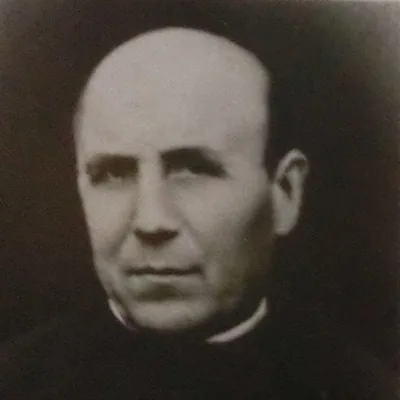
Blessed Felipe de Jesús Munárriz and his Companions
Claretian martyrs of Barbastro
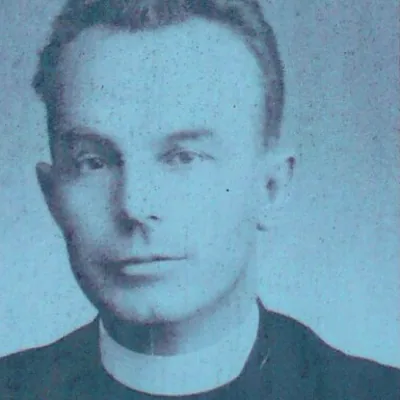
Blessed Jakob Gapp
Tyrolean Marianist, martyr
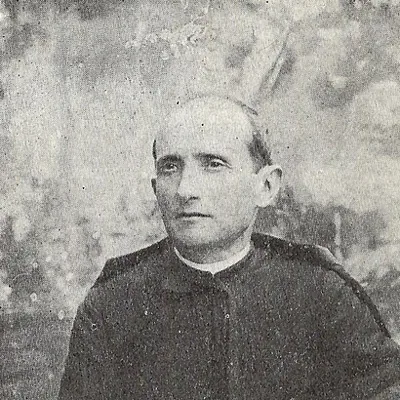
Blessed Josep Tàpies i Sirvant and Companions
Martyrs of Salàs de Pallars, priests of the Diocese of Urgell
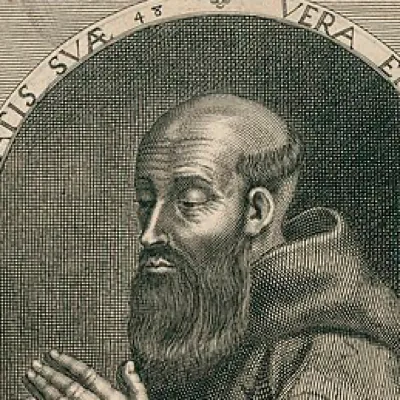
Blessed Mark of Aviano
Capuchin preacher, papal legate at the Battle of Vienna
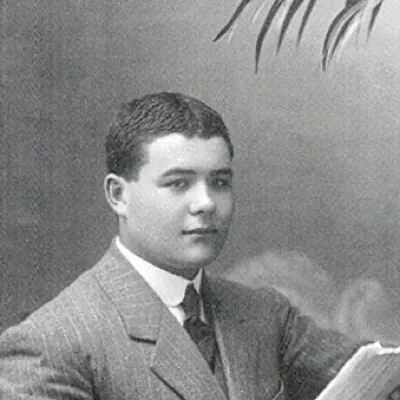
Blessed Marià Mullerat i Soldevila
Doctor and mayor of Arbeca, martyr
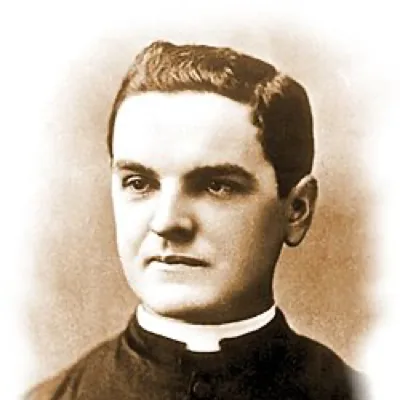
Blessed Michael McGivney
Founder of the Knights of Columbus
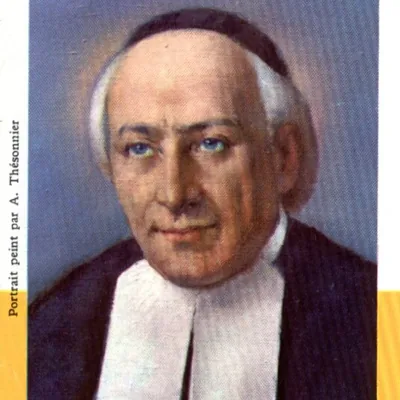
Saint Benildus Romançon
Brother of the Christian Schools, director at Saugues
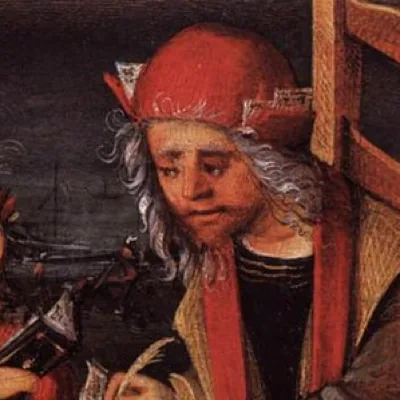
Saint Cassian of Imola
Schoolmaster and martyr
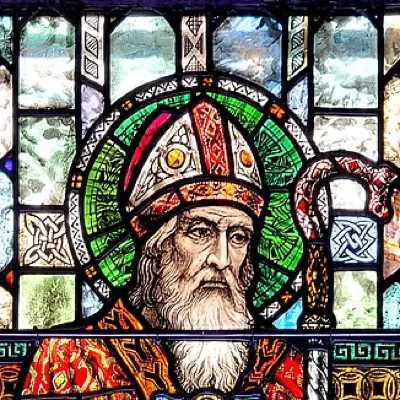
Saint Fachtna of Ross
Founder of the school of Ross
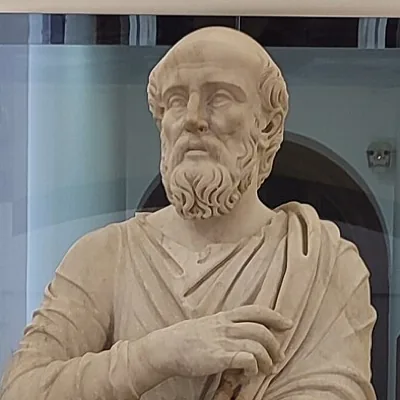
Saint Hippolytus of Rome
Priest and martyr, theologian of Rome
Saint Nerses Shnorhali
Catholicos of the Armenians, poet
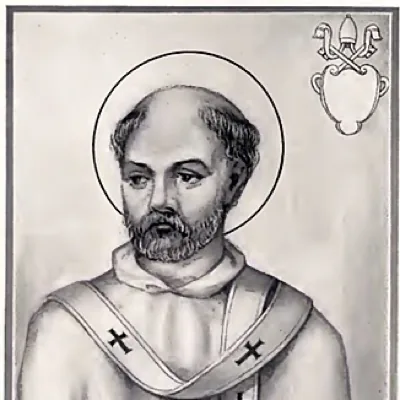
Saint Pontian
Pope and martyr, exiled to Sardinia
Saint Wigbert of Fritzlar
First abbot of Fritzlar

Saint Dulce of the Poor
The Good Angel of Bahia
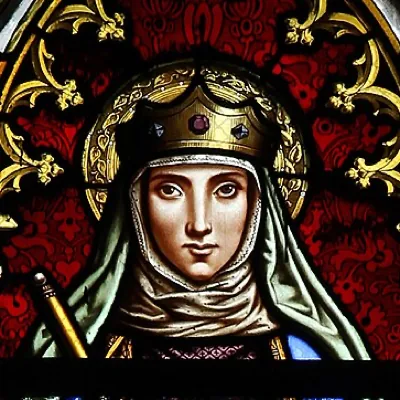
Saint Radegund
Queen of the Franks, foundress of Sainte-Croix
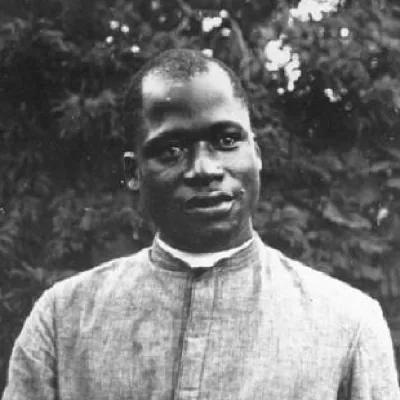
Venerable Simon Mpeke
“Baba Simon”, missionary priest to the Kirdi
In the same region
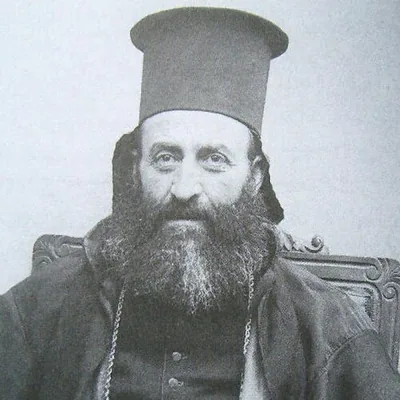
Blessed Flavianus Michael Malke
Syriac Catholic bishop of Gazireh, martyr
Blessed Salvatore Lilli
Franciscan, missionary in Lesser Armenia, martyr
Blessed Salvatore Lilli and his Seven Companions
Martyrs of Marash