
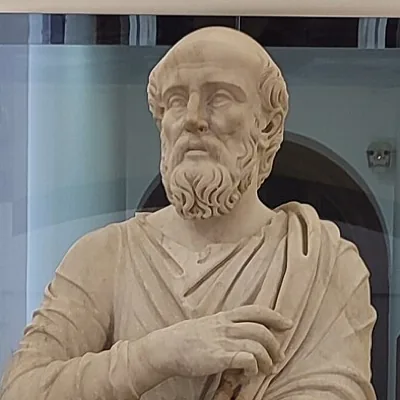
Hippolytus Romanus
Saint Hippolytus of Rome
Priest and martyr, theologian of Rome
A Roman priest and theologian of the third century, opposed to Pope Callistus to the point of becoming the first antipope, reconciled in exile in Sardinia where he died in 235 with Pope Pontian.
A priest of Rome at the beginning of the third century, Hippolytus was the most prolific Greek author of the Roman Church of his time: commentaries on Scripture, among them a Commentary on Daniel, treatises against heresies, among them the Refutation of All Heresies, and chronicles. The Apostolic Tradition, a collection of rites which inspired the Second Eucharistic Prayer of the Roman Missal of 1970, is also attributed to him, but this attribution is now disputed.
A rigorist in the matter of penance and an opponent of the Trinitarian doctrines he judged suspect, he opposed Popes Zephyrinus and then Callistus, whom he attacked harshly, and had himself elected bishop by a group of the faithful: he is regarded as the first antipope. In 235 the persecution of Maximinus Thrax struck both Pope Pontian and Hippolytus, deported together to the mines of Sardinia, where they died. Tradition relates that Hippolytus was reconciled with the Church there; Pope Fabian had their bodies brought back to Rome and buried on the same day, 13 August, Pontian in the cemetery of Callistus, Hippolytus on the Via Tiburtina.
Pope Damasus and the poet Prudentius embroidered on his memory, the latter making him perish torn apart by horses, like his namesake in mythology. In 1551 there was discovered near the Via Tiburtina an ancient statue of a seated figure, restored as Hippolytus, whose base bears a paschal computus and a list of works attributed to him; it now greets visitors to the Vatican Apostolic Library.
Celebrated on the same day
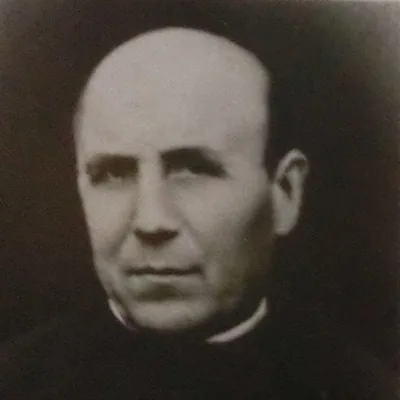
Blessed Felipe de Jesús Munárriz and his Companions
Claretian martyrs of Barbastro
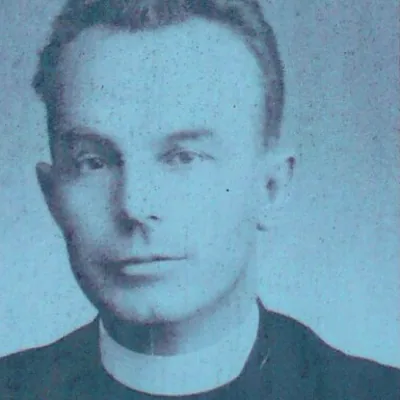
Blessed Jakob Gapp
Tyrolean Marianist, martyr
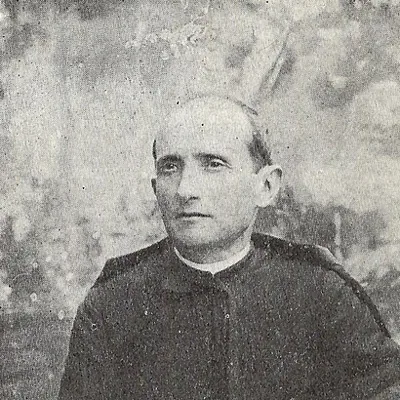
Blessed Josep Tàpies i Sirvant and Companions
Martyrs of Salàs de Pallars, priests of the Diocese of Urgell
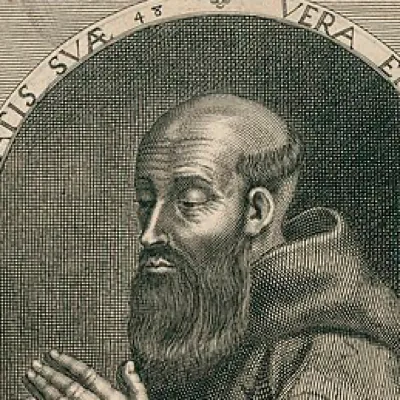
Blessed Mark of Aviano
Capuchin preacher, papal legate at the Battle of Vienna
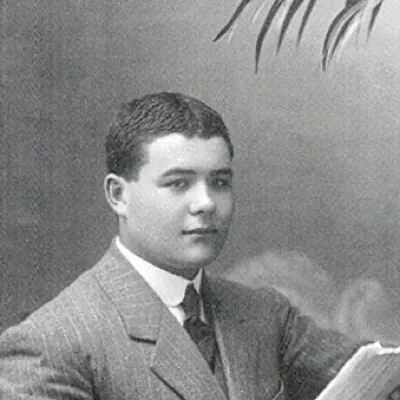
Blessed Marià Mullerat i Soldevila
Doctor and mayor of Arbeca, martyr
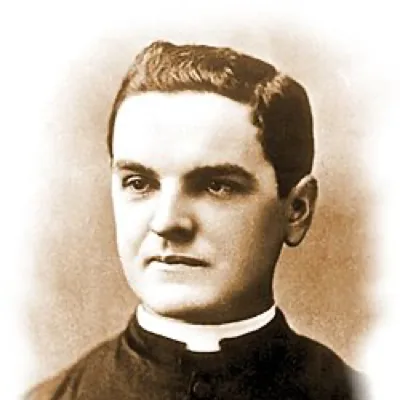
Blessed Michael McGivney
Founder of the Knights of Columbus
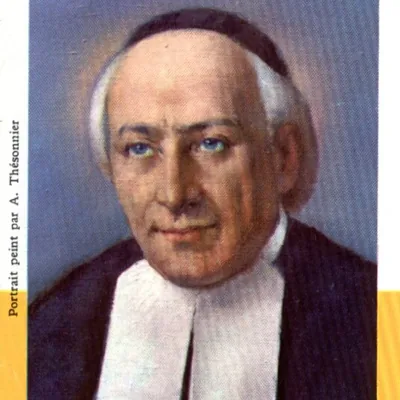
Saint Benildus Romançon
Brother of the Christian Schools, director at Saugues
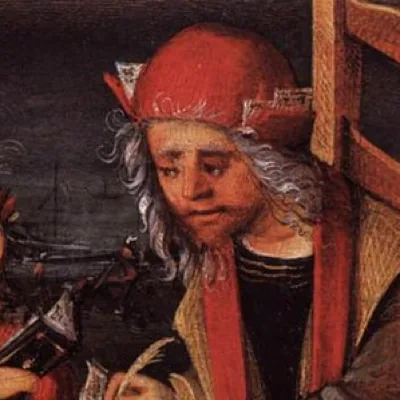
Saint Cassian of Imola
Schoolmaster and martyr
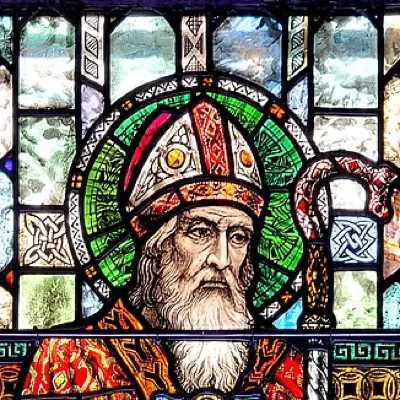
Saint Fachtna of Ross
Founder of the school of Ross
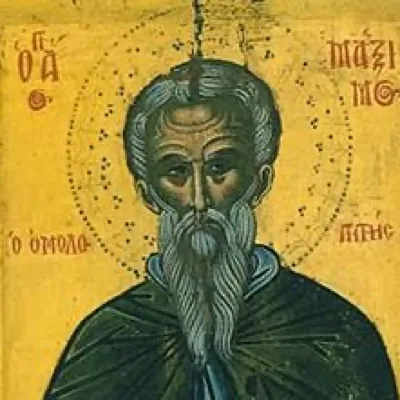
Saint Maximus the Confessor
Monk, theologian, confessor of the faith
Saint Nerses Shnorhali
Catholicos of the Armenians, poet
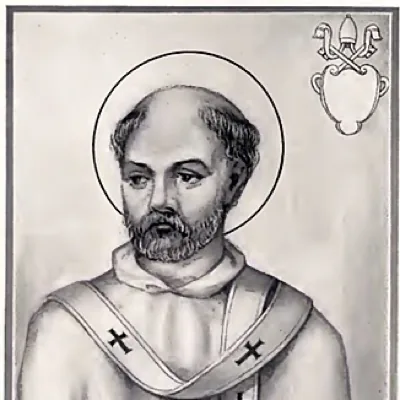
Saint Pontian
Pope and martyr, exiled to Sardinia
Saint Wigbert of Fritzlar
First abbot of Fritzlar
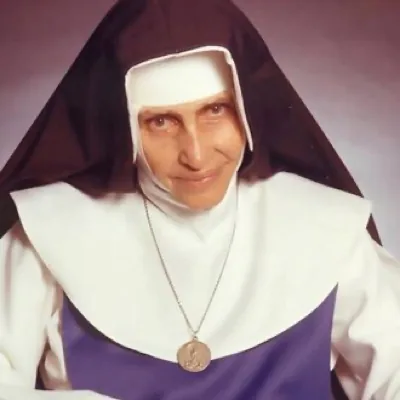
Saint Dulce of the Poor
The Good Angel of Bahia
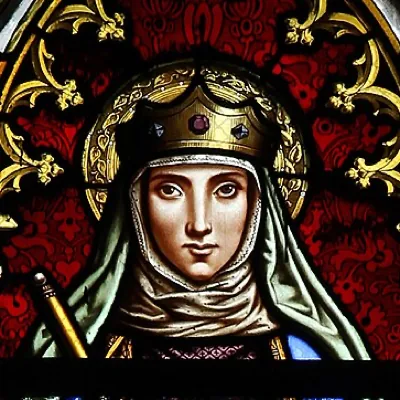
Saint Radegund
Queen of the Franks, foundress of Sainte-Croix
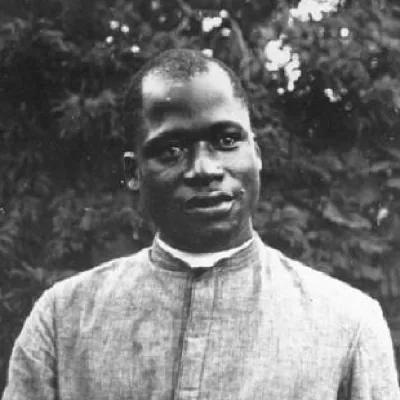
Venerable Simon Mpeke
“Baba Simon”, missionary priest to the Kirdi
In the same region
Blessed Angelina of Marsciano
Foundress of the Franciscan Sisters of the Third Order Regular
Blessed Anna Rosa Gattorno
Widow, foundress of the Daughters of St Anne
Blessed Anna Maria Taigi
Mother of a family and Roman mystic