
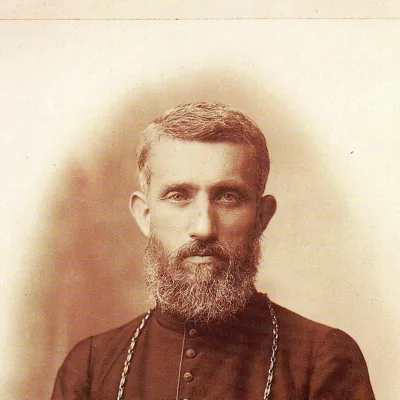
Servant of God Jacques-Émile Sontag and Companions
Archbishop of Isfahan and apostolic delegate in Persia, martyrs of Urmia
An Alsatian Lazarist who became the first Latin archbishop of Isfahan, he refused to leave Urmia and was massacred in 1918 with the refugees of the mission; three Lazarist priests, two of them Chaldeans, shared his fate.
Born in June 1869 in Alsace, Jacques-Émile Sontag entered the Lazarists, the Congregation of the Mission founded by Saint Vincent de Paul, and left in 1895 for Persia, where the congregation served the Chaldean Catholic communities of the region of Urmia and Salmas. Appointed on 13 July 1910 archbishop of Isfahan and apostolic delegate in Persia, the first Latin holder of that see, he strove during the First World War to protect the Assyro-Chaldean and Armenian Christians caught between the Ottoman and Russian armies and the massacres.
After the withdrawal of the Russian troops at the end of 1917, panic spread through Urmia and Khosrava. About six hundred refugees, mostly women and children, crowded into the Lazarist mission at Urmia. Archbishop Sontag and his confrères refused to flee; in June and July 1918 they were massacred with those they were protecting. With him died two Chaldean priests born at Khosrava who had become Lazarists, Nathanael Dinkha and François Miraziz, and the Breton Lazarist Mathurin L’Hotellier.
The diocese of Paris opened their cause of beatification by a decree of 6 January 2021; the diocesan inquiry was closed in March 2024, and a supplementary inquiry, requested by the Dicastery for the Causes of Saints, was opened in 2025.
Celebrated on the same day
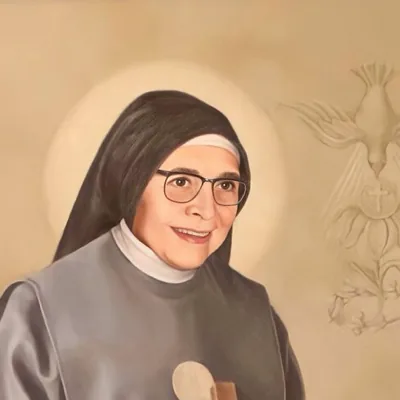
Blessed María Berenice Duque Hencker
Foundress of the Little Sisters of the Annunciation
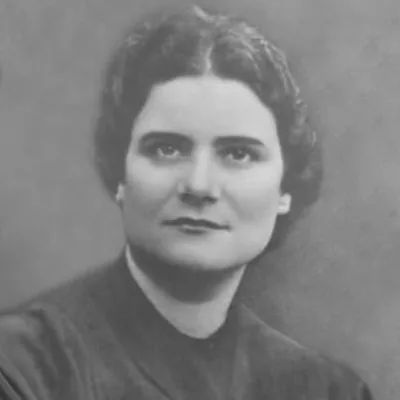
Blessed María Pilar Izquierdo Albero
Foundress of the Missionary Work of Jesus and Mary
Blessed Alphonsus Pacheco
Spanish Jesuit, martyr of Cuncolim
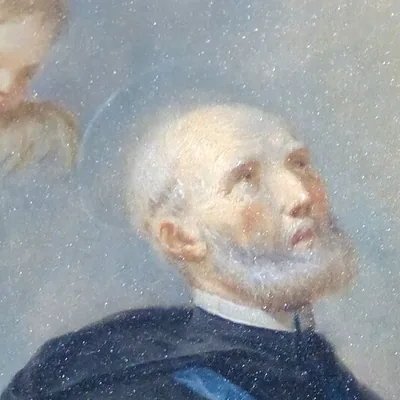
Blessed Berthold of Garsten
First abbot of Garsten
Blessed William Davies
Welsh priest, martyr of Beaumaris
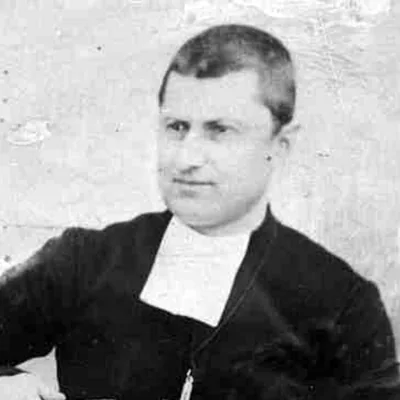
Blessed Lycarion May
Marist Brother, martyr of the Tragic Week of Barcelona
Blessed Pietro Berno
Jesuit from Ticino, martyr of Cuncolim
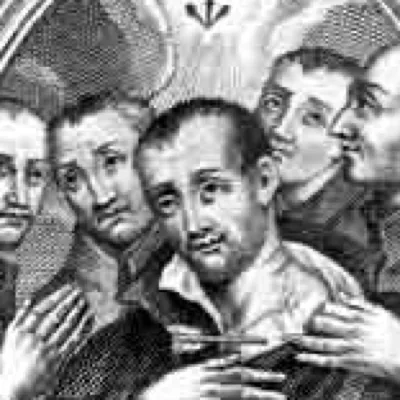
Blessed Rudolf Acquaviva
Jesuit, sent to the court of Akbar, martyr of Cuncolim
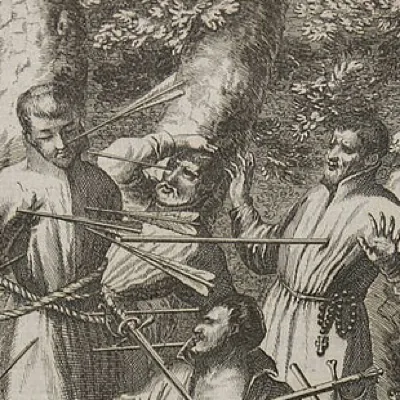
Blessed Rodolfo Acquaviva and Companions
Jesuits, martyrs of Cuncolim
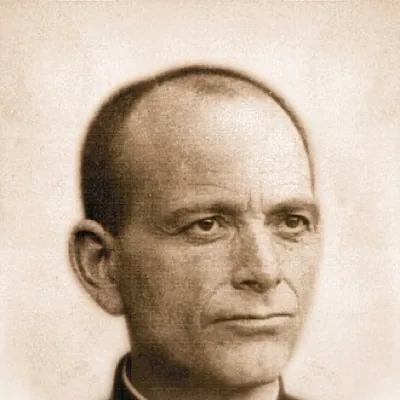
Blessed Teodoro Illera del Olmo and Companions
Martyrs of Saint-Pierre-aux-Liens, Barcelona
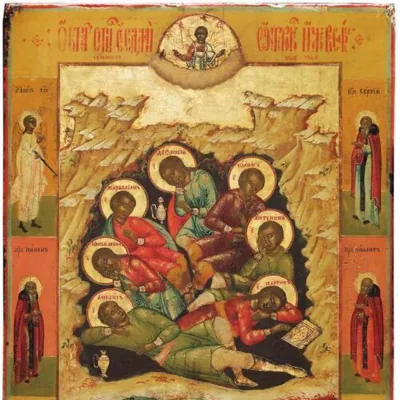
The Seven Sleepers of Ephesus
Martyrs according to legend
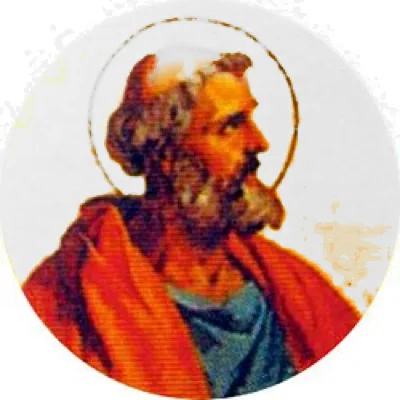
Saint Celestine I
Pope of the Council of Ephesus, first sending of a bishop to Ireland
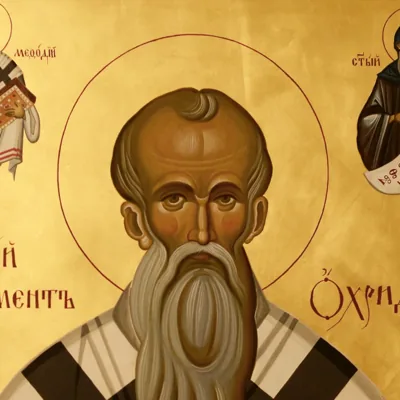
Saint Clement of Ohrid
Disciple of Cyril and Methodius, bishop of the Slavs
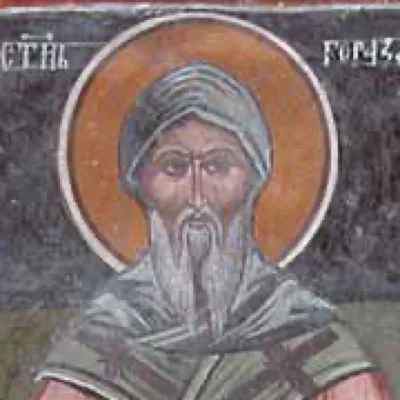
Saint Gorazd
Disciple and designated successor of Saint Methodius
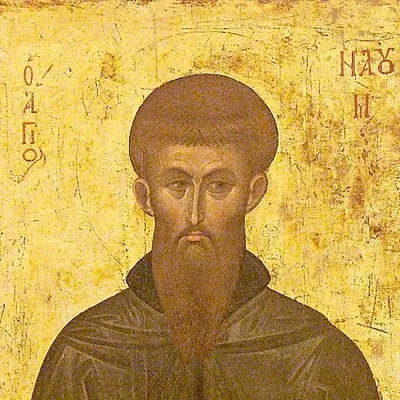
Saint Naum of Ohrid
Disciple of Cyril and Methodius, monk of Ohrid
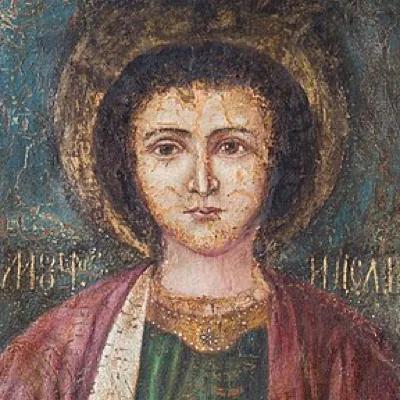
Saint Pantaleon
Physician and martyr
Saint Raymond Palmerio
Pilgrim, father of the poor of Piacenza
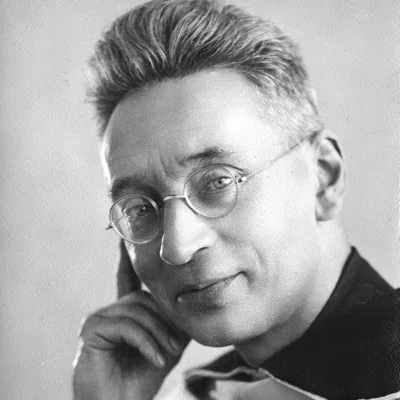
Saint Titus Brandsma
Carmelite religious, martyr of Dachau
Saints Aurelius, Sabigotho and Companions
Married martyrs of Córdoba
In the same region
Saint Barbashmin
Catholicos of Seleucia-Ctesiphon, martyr
Saint Benjamin
Deacon, martyr in Persia
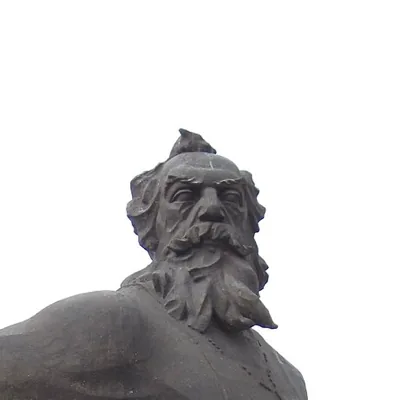
Saint Ghevond and Companions
Priest martyrs of Nishapur (the Ghevondiank)