
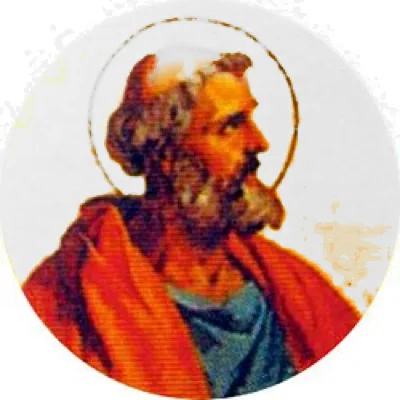
Pope and friend of Saint Augustine, he had Nestorius condemned and supported the Council of Ephesus, which proclaimed Mary Mother of God; he sent Palladius as first bishop to the Christians of Ireland.
A Roman, the son of a certain Priscus, Celestine was a deacon when Saint Augustine wrote to him in 418. Elected without opposition in September 422, after Augustine’s death he defended, in a letter to the bishops of Gaul (431), the memory and doctrine of the doctor of Hippo. He reminded the bishops of the ancient rules: the people, he writes, must be instructed and not followed. It was under his pontificate that the priest Peter of Illyria raised on the Aventine the basilica of Santa Sabina, whose dedicatory inscription still bears his name.
Informed by Saint Cyril of Alexandria of the teaching of Nestorius, Bishop of Constantinople, who denied Mary the title of Mother of God, he condemned him in a Roman synod in August 430 and charged Cyril with carrying out the sentence. His legates approved the deposition of Nestorius at the Council of Ephesus, in 431. The same year, according to the chronicle of Prosper of Aquitaine, he ordained the deacon Palladius and sent him as first bishop “to the Irish who believe in Christ”, that is, to the Christians of Ireland; he had already encouraged in 429 the mission of Saint Germanus of Auxerre to Britain against Pelagianism. A later Irish tradition also attributes to him the sending of Saint Patrick, whose own writings say nothing of the kind.
He died on 27 July 432 and was buried in the cemetery of Priscilla, on the Via Salaria; around 820 Pope Paschal I transferred his relics to Santa Prassede.
The people must be instructed, and not followed.
Celebrated on the same day
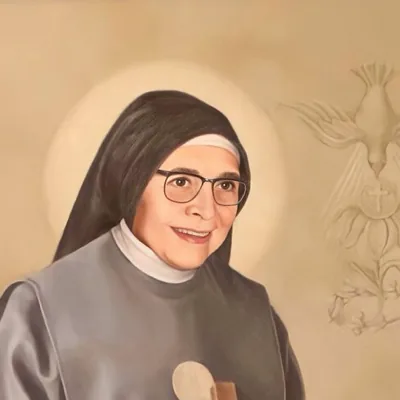
Blessed María Berenice Duque Hencker
Foundress of the Little Sisters of the Annunciation
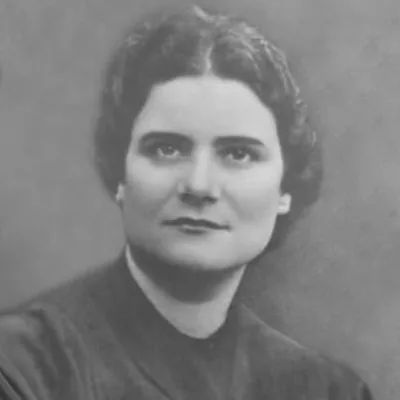
Blessed María Pilar Izquierdo Albero
Foundress of the Missionary Work of Jesus and Mary
Blessed Alphonsus Pacheco
Spanish Jesuit, martyr of Cuncolim
Blessed Berthold of Garsten
First abbot of Garsten
Blessed William Davies
Welsh priest, martyr of Beaumaris
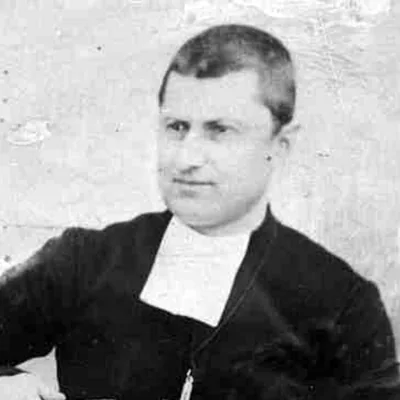
Blessed Lycarion May
Marist Brother, martyr of the Tragic Week of Barcelona
Blessed Pietro Berno
Jesuit from Ticino, martyr of Cuncolim
Blessed Rudolf Acquaviva
Jesuit, sent to the court of Akbar, martyr of Cuncolim
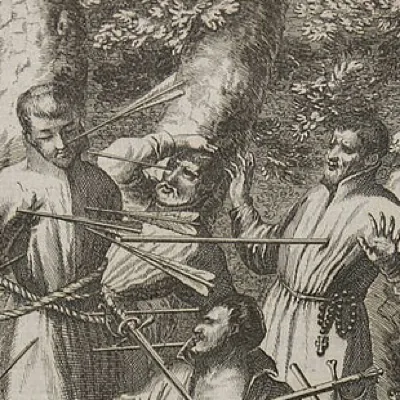
Blessed Rodolfo Acquaviva and Companions
Jesuits, martyrs of Cuncolim
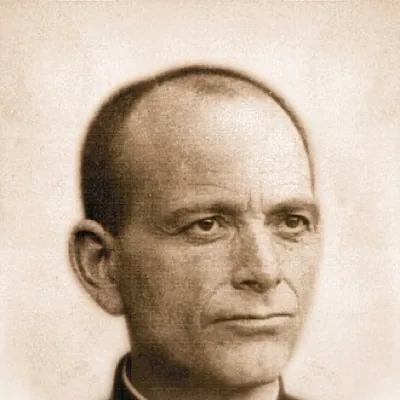
Blessed Teodoro Illera del Olmo and Companions
Martyrs of Saint-Pierre-aux-Liens, Barcelona
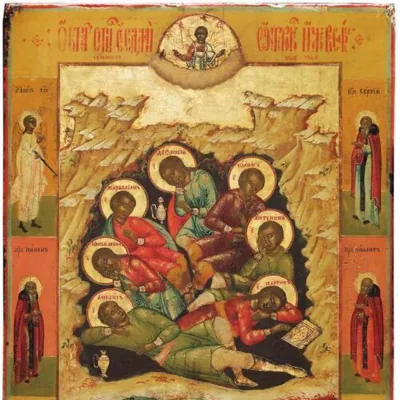
The Seven Sleepers of Ephesus
Martyrs according to legend
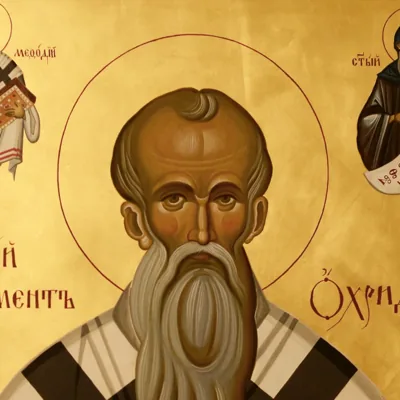
Saint Clement of Ohrid
Disciple of Cyril and Methodius, bishop of the Slavs
Saint Gorazd
Disciple and designated successor of Saint Methodius
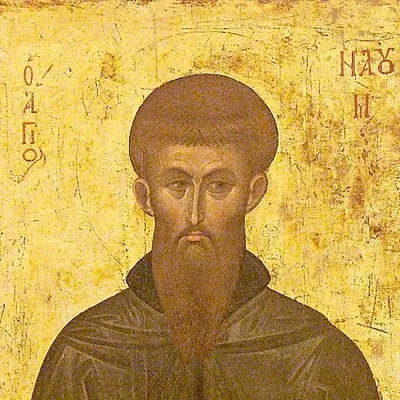
Saint Naum of Ohrid
Disciple of Cyril and Methodius, monk of Ohrid
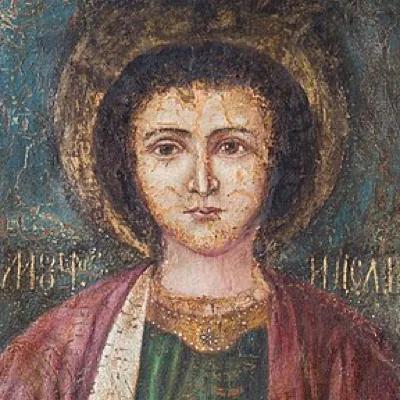
Saint Pantaleon
Physician and martyr
Saint Raymond Palmerio
Pilgrim, father of the poor of Piacenza
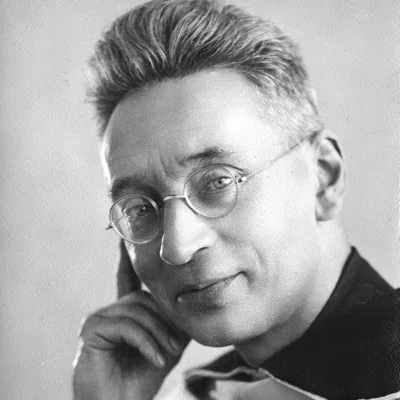
Saint Titus Brandsma
Carmelite religious, martyr of Dachau
Saints Aurelius, Sabigotho and Companions
Married martyrs of Córdoba
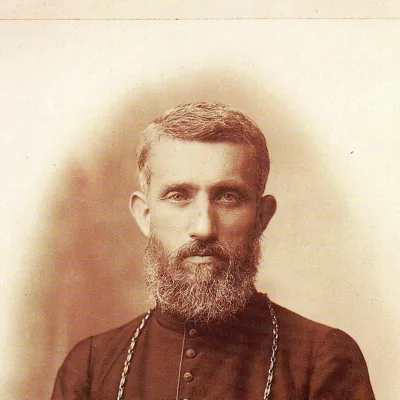
Servant of God Jacques-Émile Sontag and Companions
Archbishop of Isfahan and apostolic delegate in Persia, martyrs of Urmia
In the same region
Blessed Angelina of Marsciano
Foundress of the Franciscan Sisters of the Third Order Regular
Blessed Anna Rosa Gattorno
Widow, foundress of the Daughters of St Anne
Blessed Anna Maria Taigi
Mother of a family and Roman mystic