
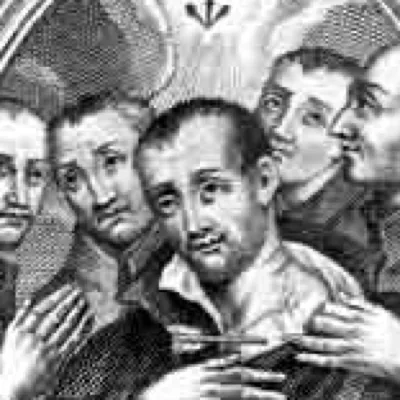
Rodulphus Acquaviva
Blessed Rudolf Acquaviva
Jesuit, sent to the court of Akbar, martyr of Cuncolim
The son of the duke of Atri who became a Jesuit, he debated the Christian faith for three years at the court of the Mughal emperor Akbar before being killed at Cuncolim, south of Goa.
Born on 2 October 1550 at Atri, in the Abruzzi, the son of Duke Giangirolamo Acquaviva, a cousin through his mother of Saint Aloysius Gonzaga and nephew of the future superior general of the Jesuits Claudio Acquaviva, Rudolf entered in 1568 the Roman novitiate of Sant'Andrea al Quirinale, where he was a companion of Saint Stanislaus Kostka. Ordained priest at Lisbon, he landed at Goa on 13 September 1578 and taught at the College of Saint Paul.
The Mughal emperor Akbar having asked Goa for two learned religious, Rudolf Acquaviva took the lead of the first Jesuit mission to Fatehpur Sikri, with Father Antoni de Montserrat and a Persian-speaking interpreter. At the Ibadat Khana, the “house of worship” where Akbar gathered Muslim, Hindu and other doctors, he defended the Christian faith for three years and won the sovereign's esteem, without obtaining his conversion; he returned to Goa in 1583, to the court's regret.
Appointed superior of the mission of Salcete, he went on 15 July 1583 to Cuncolim, a hostile Hindu village, to choose the site of a church; the villagers, in arms, killed him with four other Jesuits and local Christians. According to his biographers, he died praying and forgiving his murderers. His remains lie in the cathedral of Goa; he was beatified by Leo XIII in 1893 with his Jesuit companions.
Celebrated on the same day
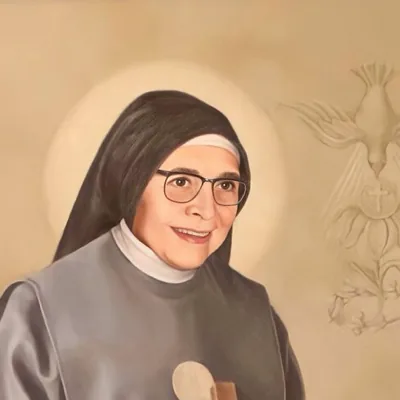
Blessed María Berenice Duque Hencker
Foundress of the Little Sisters of the Annunciation
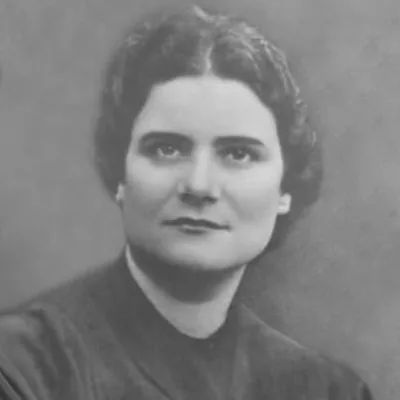
Blessed María Pilar Izquierdo Albero
Foundress of the Missionary Work of Jesus and Mary
Blessed Alphonsus Pacheco
Spanish Jesuit, martyr of Cuncolim
Blessed Berthold of Garsten
First abbot of Garsten
Blessed William Davies
Welsh priest, martyr of Beaumaris
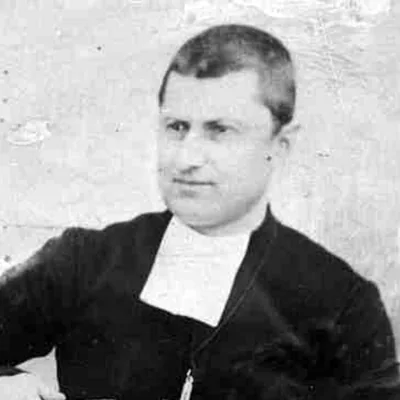
Blessed Lycarion May
Marist Brother, martyr of the Tragic Week of Barcelona
Blessed Pietro Berno
Jesuit from Ticino, martyr of Cuncolim
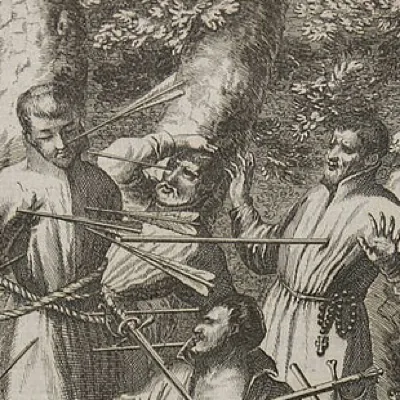
Blessed Rodolfo Acquaviva and Companions
Jesuits, martyrs of Cuncolim
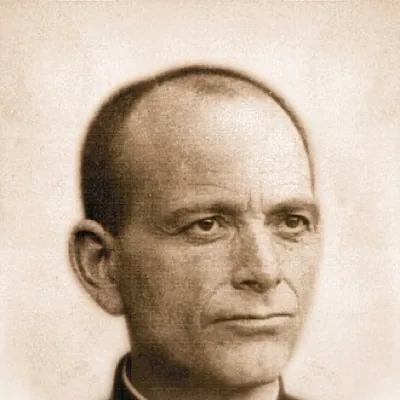
Blessed Teodoro Illera del Olmo and Companions
Martyrs of Saint-Pierre-aux-Liens, Barcelona
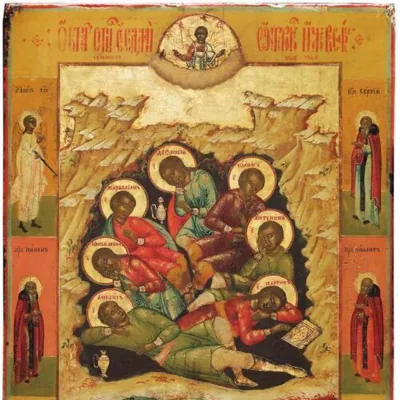
The Seven Sleepers of Ephesus
Martyrs according to legend
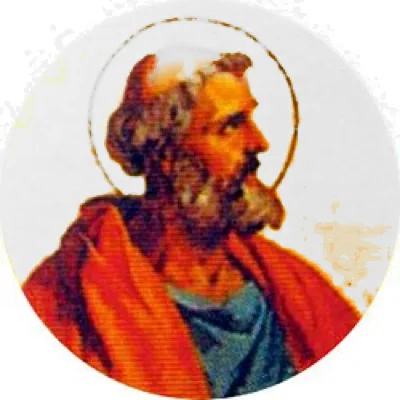
Saint Celestine I
Pope of the Council of Ephesus, first sending of a bishop to Ireland
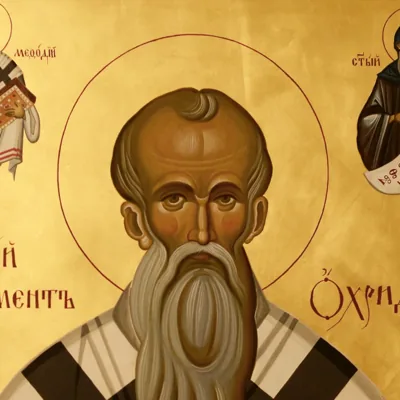
Saint Clement of Ohrid
Disciple of Cyril and Methodius, bishop of the Slavs
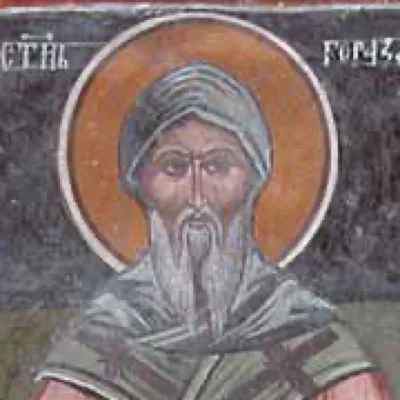
Saint Gorazd
Disciple and designated successor of Saint Methodius
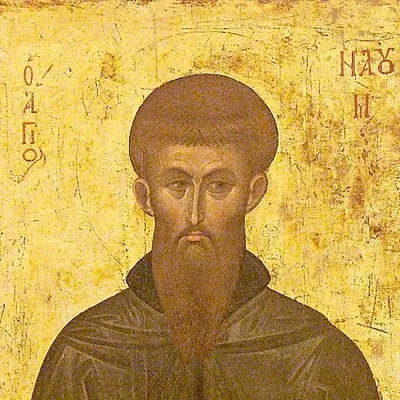
Saint Naum of Ohrid
Disciple of Cyril and Methodius, monk of Ohrid
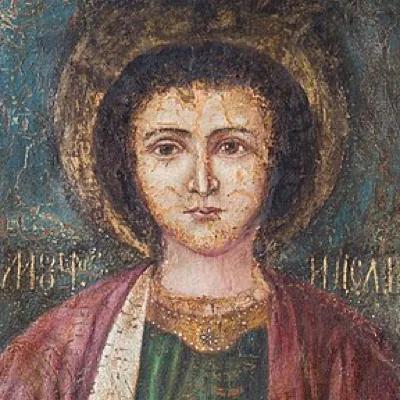
Saint Pantaleon
Physician and martyr
Saint Raymond Palmerio
Pilgrim, father of the poor of Piacenza
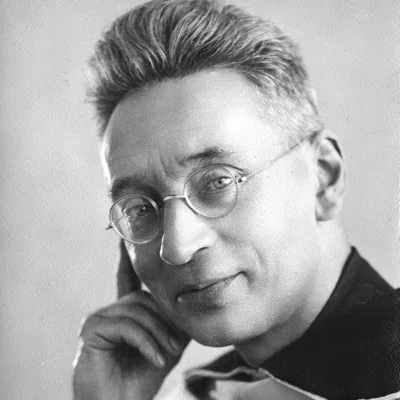
Saint Titus Brandsma
Carmelite religious, martyr of Dachau
Saints Aurelius, Sabigotho and Companions
Married martyrs of Córdoba
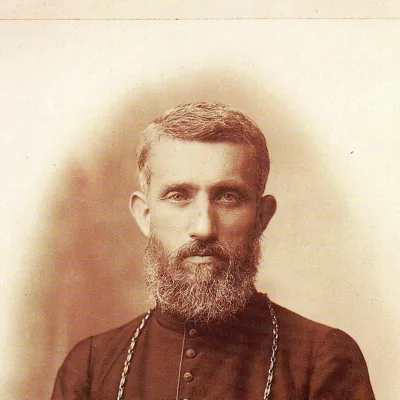
Servant of God Jacques-Émile Sontag and Companions
Archbishop of Isfahan and apostolic delegate in Persia, martyrs of Urmia
In the same region
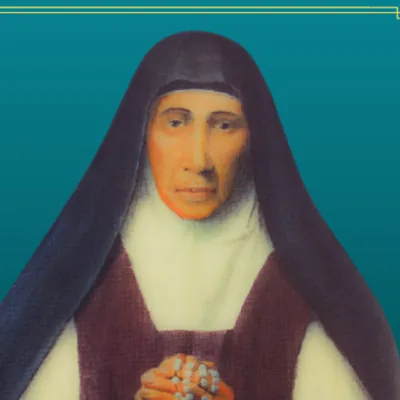
Blessed Eliswa Vakayil
Widow, foundress of the first Indian Carmelites
Blessed Rani Maria Vattalil
Franciscan Clarist, martyr near Indore
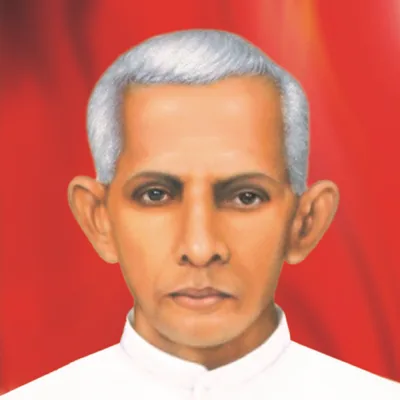
Blessed Augustine Thevarparampil
Syro-Malabar priest, apostle of the Dalits of Ramapuram