
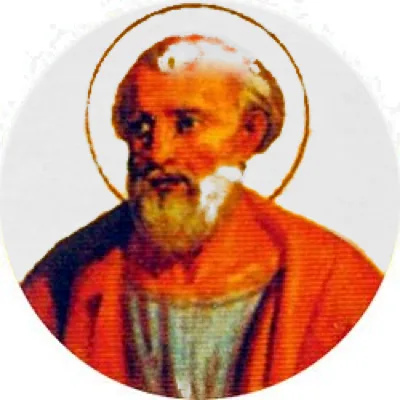
A peacemaking pope after the Council of Ephesus, he reconciled Alexandria and Antioch and dedicated to the Mother of God the basilica of Santa Maria Maggiore, whose mosaics still bear his name.
A priest of the Roman Church, Sixtus received in 418 two letters from Saint Augustine, who encouraged him in the fight against Pelagianism, to which he had been suspected of being close. Elected on 31 July 432, he approved the decisions of the Council of Ephesus and rejoiced in 433 at the reconciliation between Cyril of Alexandria and John of Antioch, sealed by the Formula of Union. He rejected the attempt of Julian of Eclanum, leader of the Pelagians, to be readmitted to the communion of the Church, and maintained the authority of Rome over Illyricum against the claims of Constantinople.
In Rome he rebuilt on the Esquiline the basilica of Santa Maria Maggiore, dedicated to the Virgin Mother of God in the wake of Ephesus; the mosaics of the triumphal arch and the nave, devoted to the childhood of Christ and to sacred history, have come down to us. He also had the Lateran baptistery remodelled and Saint Lawrence Outside the Walls restored. He died on 19 August 440 and was buried on the Via Tiburtina, near Saint Lawrence; his deacon Leo, the future Saint Leo the Great, succeeded him.
Xystus, bishop, to the people of God.
Celebrated on the same day
Blessed Joachim Hirayama Díaz and Companions
Captain and crew of the missionaries' ship (1622)
Blessed Louis Flores
Flemish Dominican, martyr of the Hirayama affair
Blessed Peter of Zúñiga
Augustinian, son of the viceroy of New Spain
Blessed Tomás Sitjar Fortiá and Companions
Jesuit martyrs of Gandía and Valencia
Saint Bartholomew of Simeri
Abbot, founder of the Patir and of the Holy Saviour of Messina
Saint Bertulf of Bobbio
Abbot of Bobbio, he obtained the first monastic exemption
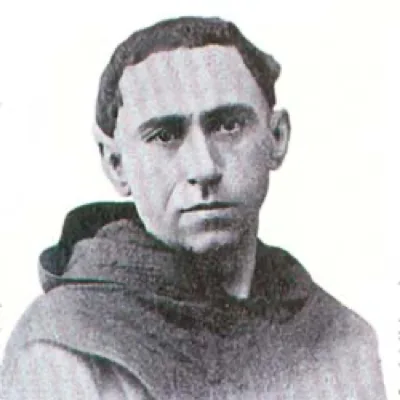
Saint Ezequiel Moreno
Bishop of Pasto
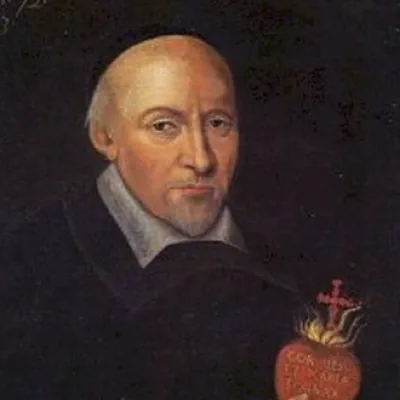
Saint John Eudes
Apostle of the Sacred Hearts of Jesus and Mary
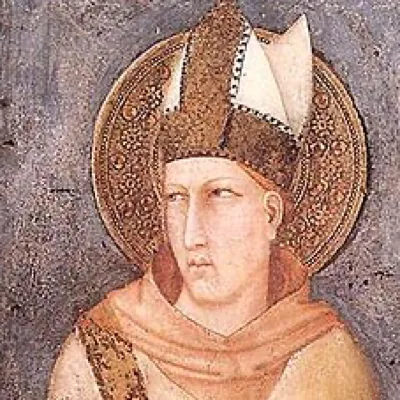
Saint Louis of Toulouse
Bishop of Toulouse, Franciscan
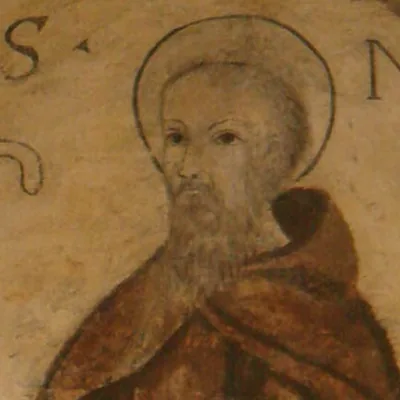
Saint Magin
Hermit and martyr of Brufaganya
Saint Mochta of Louth
Disciple of Saint Patrick, founder of Louth
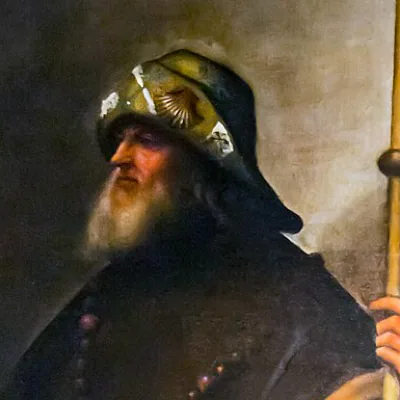
Saint Sebald of Nuremberg
Hermit, patron of Nuremberg
Saint Timothy of Gaza
Martyr burned over a slow fire
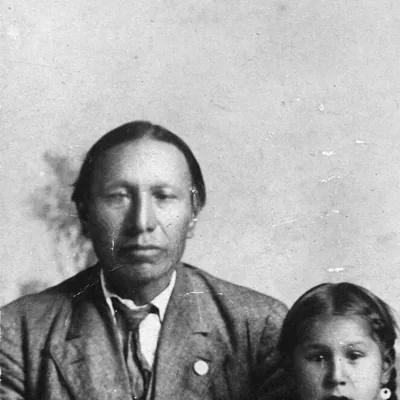
Servant of God Nicholas Black Elk
Lakota catechist
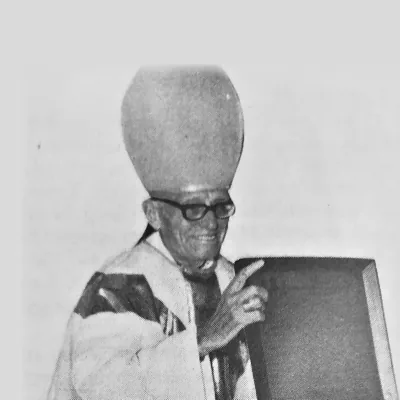
Venerable Francesco Costantino Mazzieri
Conventual Franciscan, first bishop of Ndola
In the same region
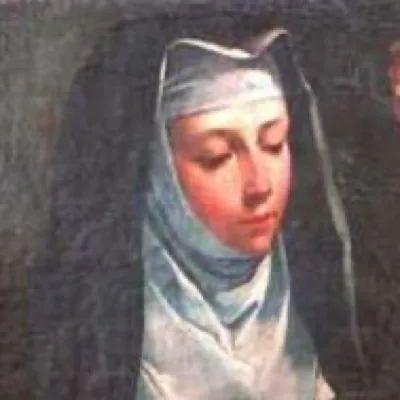
Blessed Angelina of Marsciano
Foundress of the Franciscan Sisters of the Third Order Regular
Blessed Anna Rosa Gattorno
Widow, foundress of the Daughters of St Anne
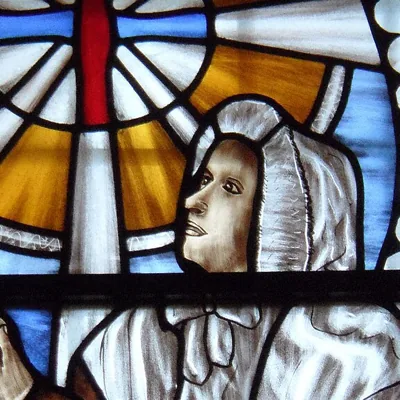
Blessed Anna Maria Taigi
Mother of a family and Roman mystic