
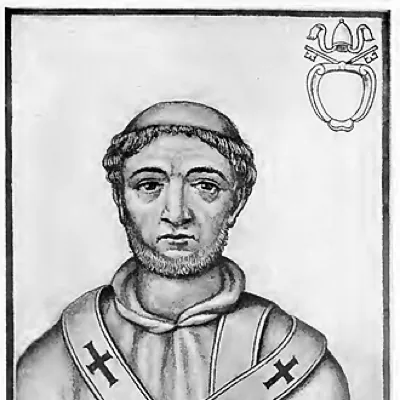
Bishop of Rome surprised by Valerian’s soldiers while teaching in the cemetery of Callixtus, Sixtus II was beheaded on 6 August 258 with four of his deacons; he is one of the most venerated martyrs of Rome.
Elected in August 257, Sixtus II restored peace with Saint Cyprian and the Churches of the East after the baptismal quarrel of his predecessor Stephen; the biographer of Cyprian, the deacon Pontius, calls him “a good and peaceable bishop”. Dionysius of Alexandria addressed several letters to him on the question of baptism, cited by Eusebius (Ecclesiastical History VII, 5–9). But in the summer of 258 a second edict of the emperor Valerian ordered the immediate execution of bishops, priests and deacons.
A few days later Cyprian wrote from Carthage: “Know that Xystus was executed in the cemetery on 6 August, and with him four deacons” (Letter 80). An inscription of Pope Damasus states that the soldiers burst in while he was teaching, and that he himself offered his head to spare his flock. The Liber pontificalis names his deacons Januarius, Magnus, Vincent and Stephen, and reports that on the same day two other deacons, Felicissimus and Agapitus, were put to death and buried in the cemetery of Praetextatus. His archdeacon, Saint Lawrence, followed him in martyrdom four days later.
Sixtus was buried in the Crypt of the Popes, in the cemetery of Callixtus, where Damasus had his eulogy engraved; the Depositio martyrum of 354 commemorates him on 6 August. His name appears in the Roman Canon of the Mass. The Roman Martyrology of 2004 and the General Roman Calendar celebrate on 7 August the memorial of Saint Sixtus II, pope, and his companions, martyrs.
Celebrated on the same day
Blessed Agathangelus of Vendôme and Cassian of Nantes
Capuchins, martyrs of Gondar
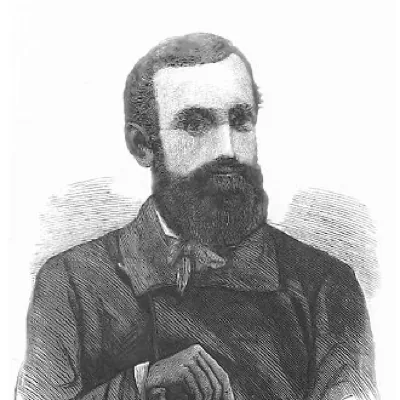
Blessed Edmund Bojanowski
Layman, founder of the rural nurseries and of the Servants of Mary
Blessed Nicholas Postgate
The martyr of the Yorkshire moors
Blessed Vincent of L’Aquila
Franciscan lay brother, hermit and prophet
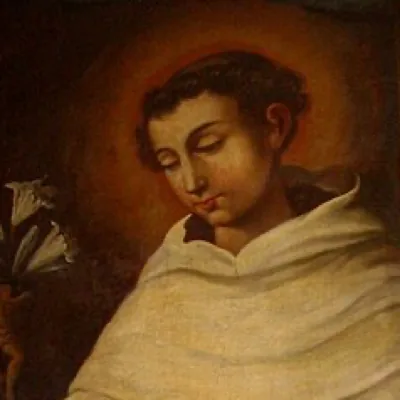
Saint Albert of Trapani
Carmelite, preacher of Sicily
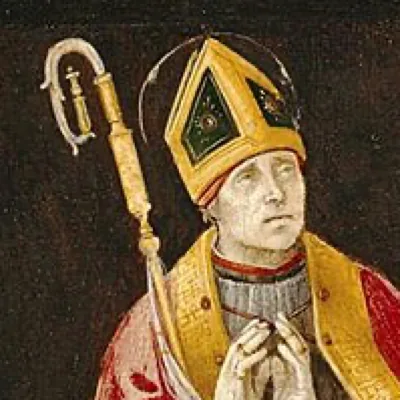
Saint Donatus of Arezzo
Bishop and patron of Arezzo
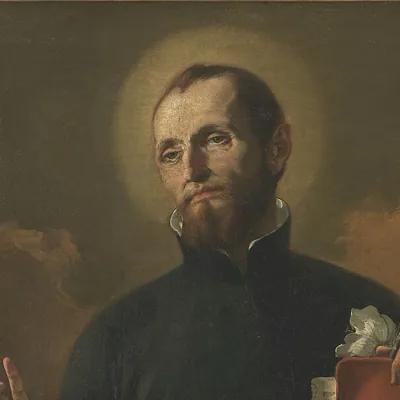
Saint Cajetan of Thiene
Founder of the Theatines, saint of Providence
Saint Miguel de la Mora de la Mora
Chaplain of the cathedral of Colima
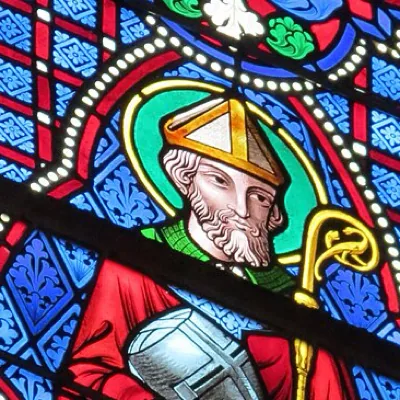
Saint Victricius of Rouen
Soldier turned bishop of Rouen
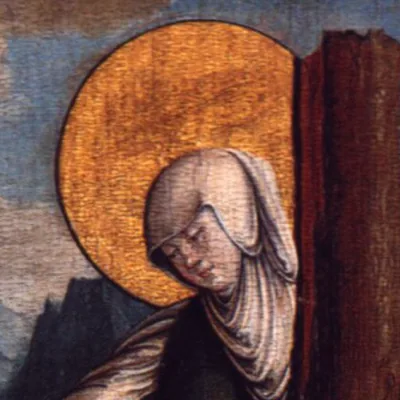
Saint Afra of Augsburg
Martyr of Augsburg
Servant of God María Esperanza de Bianchini
The mystic of Betania
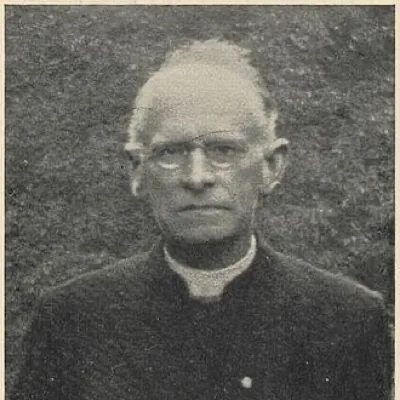
Servant of God Alphons Ariëns
Priest, pioneer of the Dutch Catholic workers’ movement
In the same region
Blessed Angelina of Marsciano
Foundress of the Franciscan Sisters of the Third Order Regular
Blessed Anna Rosa Gattorno
Widow, foundress of the Daughters of St Anne
Blessed Anna Maria Taigi
Mother of a family and Roman mystic