
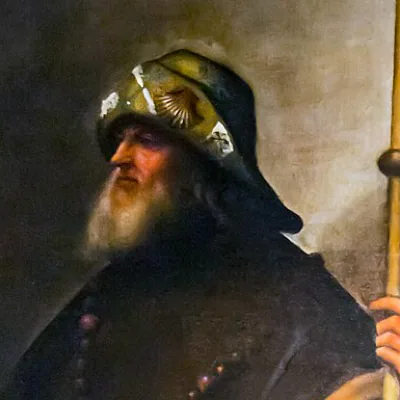
A hermit of the forests around Nuremberg, whose tomb, venerated from the eleventh century, made the fortune of the church of Saint Sebald; Martin V canonised him in 1425 at the city’s request.
Almost nothing is known of Sebald, except that he lived as a hermit in the region of Nuremberg; tradition places him in the eighth century, among the companions of Willibald, and the Roman Martyrology gives the ninth–tenth centuries, but three sources from the years 1070–1072 attest to his very recent tomb: historians (A. Borst; Neue Deutsche Biographie, 2010) have him die in the middle of the eleventh century, between about 1039 and 1056. The legends make him the son of a Danish king who broke off his engagement to a French princess to go to Rome and preach in Franconia.
After his death, it is said, a team of oxen without a driver carried his body to the chapel of Saint Peter in Nuremberg, where he was buried. His cult there is attested around 1070, and the city grew up around his tomb. On 26 March 1425 Martin V canonised him, at the request of a delegation from Nuremberg. His bronze shrine, a masterpiece by Peter Vischer (1508–1519), is the jewel of the church of Saint Sebald.
Celebrated on the same day
Blessed Joachim Hirayama Díaz and Companions
Captain and crew of the missionaries' ship (1622)
Blessed Louis Flores
Flemish Dominican, martyr of the Hirayama affair
Blessed Peter of Zúñiga
Augustinian, son of the viceroy of New Spain
Blessed Tomás Sitjar Fortiá and Companions
Jesuit martyrs of Gandía and Valencia
Saint Bartholomew of Simeri
Abbot, founder of the Patir and of the Holy Saviour of Messina
Saint Bertulf of Bobbio
Abbot of Bobbio, he obtained the first monastic exemption
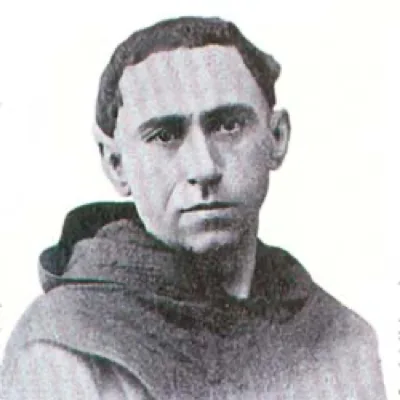
Saint Ezequiel Moreno
Bishop of Pasto
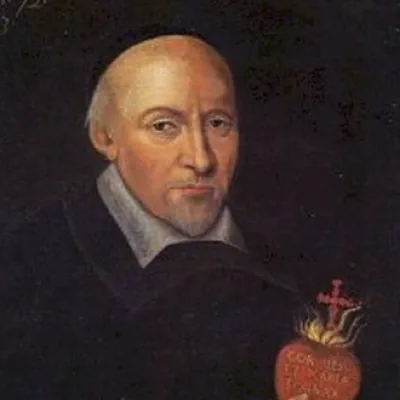
Saint John Eudes
Apostle of the Sacred Hearts of Jesus and Mary
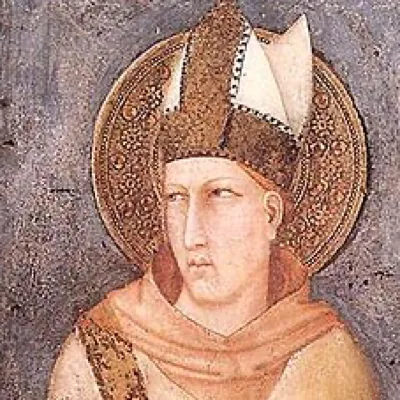
Saint Louis of Toulouse
Bishop of Toulouse, Franciscan
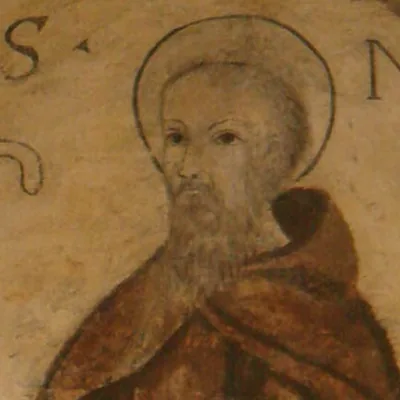
Saint Magin
Hermit and martyr of Brufaganya
Saint Mochta of Louth
Disciple of Saint Patrick, founder of Louth
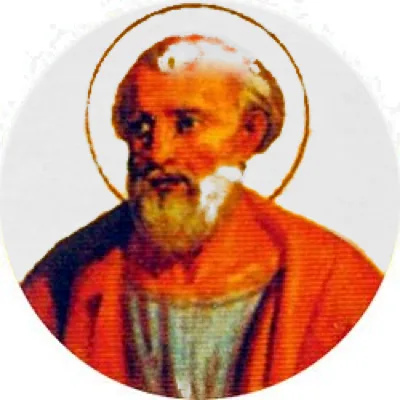
Saint Sixtus III
Pope, builder of Santa Maria Maggiore
Saint Timothy of Gaza
Martyr burned over a slow fire
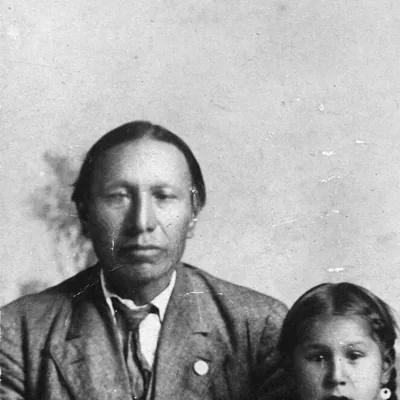
Servant of God Nicholas Black Elk
Lakota catechist
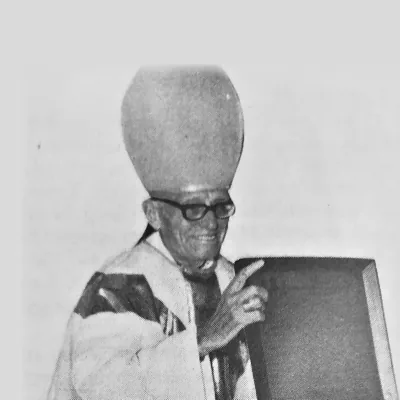
Venerable Francesco Costantino Mazzieri
Conventual Franciscan, first bishop of Ndola
In the same region

Blessed Anne Catherine Emmerich
The stigmatic of Dülmen
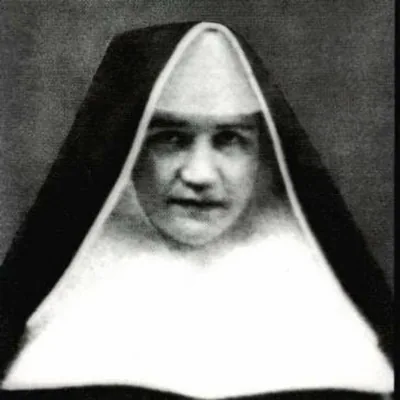
Blessed Blandine Merten
Ursuline, schoolteacher of the Saarland and Trier
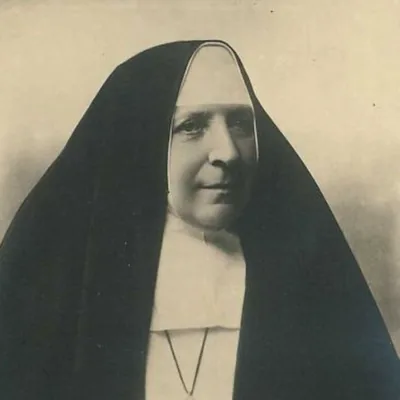
Blessed Clara Fey
Foundress of the Sisters of the Poor Child Jesus