
A nobleman exiled for more than thirty years after the persecution of 1801, he went to fetch the first priest at the frontier in 1833, became a catechist and was beheaded in Seoul in 1839.
Born in 1780 at Chungju, into a noble family of Chungcheong that had converted at the end of the eighteenth century, Nam I-gwan lost his father, who died in exile in 1801. He himself was banished to Danseong, in Gyeongsang, where he married the Christian Barbara Cho Chung-i. While still a catechumen he took a concubine in order to have a child; baptised during a serious illness at about the age of forty, he sent her away.
Released in 1832 after more than thirty years of exile, he set out with Paul Chong Ha-sang to fetch from the frontier, at Uiju, the Chinese priest Pacificus Yu Bang-je, whom he lodged in his own house; he became his assistant and catechist. In 1839 he hid in a village near Icheon, where an apostate betrayed him in September. Tortured several times, he refused to apostatise; before his execution he had word sent to his wife, a prisoner, that he would wait for her in heaven. He was beheaded outside the Little West Gate on 26 September 1839. Beatified in 1925, he was canonised in 1984.
Celebrated on the same day
Blessed Francisco de Posadas
Dominican, preacher of Córdoba
Saint Alexis U Se-yong
Young scholar, martyr
Saint Andrew Chong Hwa-gyong
Catechist, martyr
Saint Andrew Kim Taegon
First Korean priest, martyr
Saint Antoine Daveluy
Bishop, historian of the martyrs of Korea
Saint Anthony Kim Song-u
Catechist, martyr
Saint Augustine Pak Chong-won
Catechist, martyr
Saint Augustine Yi Kwang-hon
Catechist, martyr
Saint Augustine Yu Chin-gil
Court interpreter, martyr
Saint Bartholomew Chong Mun-ho
Former magistrate, catechist, martyr
Saint Charles Cho Shin-chol
Groom of the embassies to Beijing, martyr
Saint Charles Hyon Song-mun
Catechist, historian of the martyrs of 1839
Saint Damien Nam Myong-hyok
Catechist, martyr
Saint Stephen Min Kuk-ka
Catechist, copyist, martyr
Saint Francis Choe Kyong-hwan
Catechist of the village of Suri-san, martyr
Saint Henri Dorie
Missionary of the Paris Foreign Missions Society, martyr
Saint Ignatius Kim Che-jun
Catechist, father of Andrew Kim Taegon, martyr
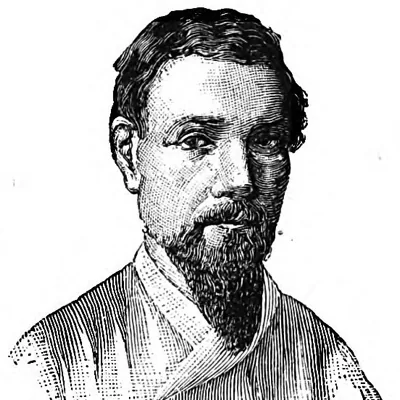
Saint Jacques Chastan
Missionary of the Paris Foreign Missions, martyr
Saint John Pak Hu-jae
Straw-sandal maker, martyr
Saint John Yi Yun-il
Catechist, martyr of Daegu
Saint John Baptist Chon Chang-un
Printer of Christian books, martyr
Saint John Baptist Nam Chong-sam
High court official, martyr
Saint John Baptist Yi Kwang-nyol
Catechist, consecrated celibate, martyr
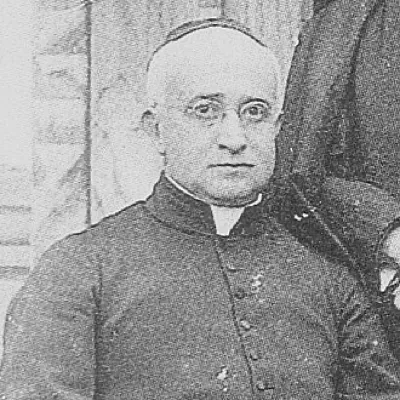
Saint José María de Yermo y Parres
The priest of the Calvary of León
Saint Joseph Chang Chu-gi
Catechist, warden of the seminary of Baeron, martyr
Saint Joseph Cho Yun-ho
Young husband, martyr
Saint Joseph Han Won-so
Catechist, martyr
Saint Joseph Im Chi-paek
Pagan baptised in prison by Andrew Kim, martyr
Saint Just de Bretenières
Missionary of the Paris Foreign Missions, martyr
Saint Lawrence Han I-hyeong
Catechist, martyr
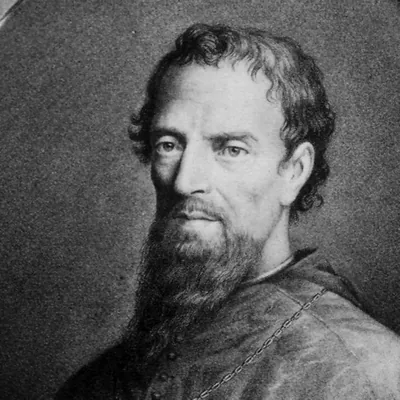
Saint Laurent Imbert
Bishop, vicar apostolic of Korea, martyr
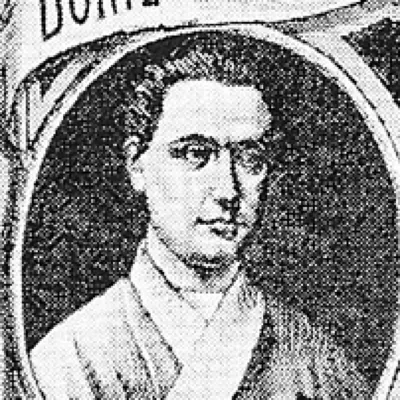
Saint Louis Beaulieu
Missionary of the Paris Foreign Missions Society, martyr
Saint Luke Hwang Sok-tu
Catechist and scholar, collaborator of the bishops, martyr
Saint Mark Chong Ui-bae
Catechist, martyr
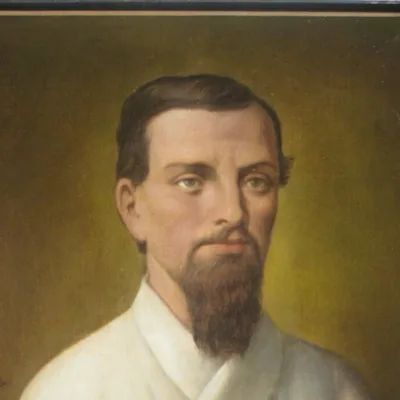
Saint Martin-Luc Huin
Missionary of the Paris Foreign Missions Society, martyr
Saint Paul Chong Ha-sang
Layman, refounder of the Church in Korea, martyr
Saint Paul Ho Hyob
Soldier, martyr
Saint Paul Hong Yong-ju
Catechist, martyr
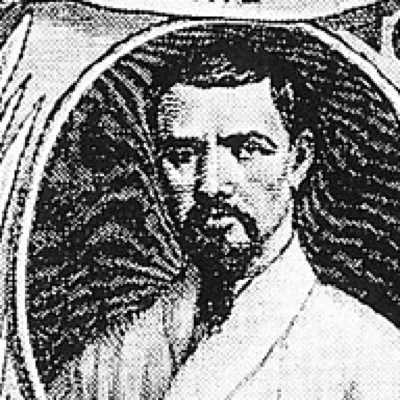
Saint Pierre Aumaître
Missionary of the Paris Foreign Missions Society, martyr
Saint Peter Cho Hwa-so
Peasant, martyr
Saint Peter Choe Chang-hub
Catechist, martyr
Saint Peter Choe Hyong
Catechist, printer, martyr
Saint Peter Chong Won-ji
Young peasant, martyr
Saint Peter Hong Pyong-ju
Catechist, martyr
Saint Peter Kwon Tug-in
Maker of crucifixes, martyr
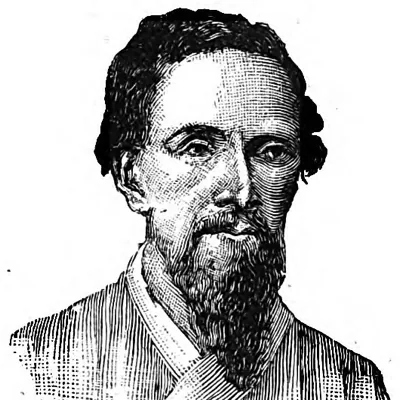
Saint Pierre Maubant
Missionary of the Paris Foreign Missions Society, martyr
Saint Peter Nam Kyong-mun
Catechist, former soldier, martyr
Saint Peter Son Son-ji
Catechist, martyr
Saint Peter Yi Ho-yong
Catechist, first of the 103 martyrs, died in prison
Saint Peter Yi Myong-so
Peasant, martyr
Saint Peter Yu Chong-nyul
Martyr of Pyongyang
Saint Peter Yu Tae-chol
The youngest of the martyrs of Korea
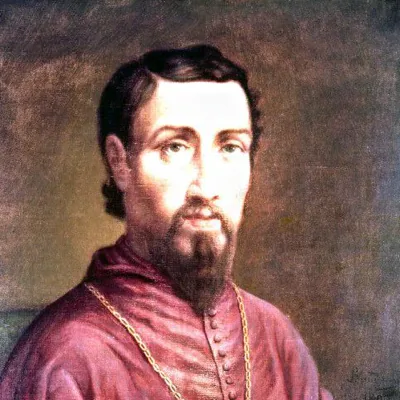
Saint Simeon Berneux
Bishop, vicar apostolic of Korea, martyr
Saint Thomas Son Cha-son
Peasant, martyr
Saint Agatha Kim A-gi
‘Jesus and Mary’, martyr baptised in prison
Saint Agatha Yi
Young virgin, martyr
Saint Agnes Kim Hyo-ju
Virgin, martyr
Saint Anna Pak A-gi
Mother of a family, martyr
Saint Barbara Choe Yong-i
Young mother, martyr
Saint Barbara Kwon Hui
Mother of a family, hostess of the missionaries, martyr
Saint Barbara Yi
Adolescent martyr, died in prison
Saint Benedicta Hyon Kyong-nyon
Catechist, martyr
Saint Catherine Chong Chol-yom
Servant, martyr
Saint Cecilia Yu So-sa
Mother of a family, martyr
Saint Columba Kim Hyo-im
Virgin, martyr
Saint Elizabeth Jeong Jeong-hye
Virgin, catechist, martyr
Saint Lucia Pak Hui-sun
Former lady of the court, martyr
Saint Magdalene Ho Kye-im
Mother of two martyrs, martyr
Saint Magdalene Son So-byok
Mother of a family, martyr
Saint Mary Yi Yon-hui
Mother of a family, martyr
Saint Susanna U Sur-im
Widow, servant, martyr
Saint Teresa Kim Im-i
Virgin, servant of Fr Andrew Kim, martyr
Saints Andrew Kim Taegon, Paul Chong Ha-sang and Companions
The 103 Martyrs of Korea