
Saints Andrew Kim Taegon, Paul Chong Ha-sang and Companions
The 103 Martyrs of Korea
Three bishops and eight priests, among them Andrew Kim Taegon, and ninety-two Korean laypeople, put to death between 1839 and 1867: the first saints of a Church born without missionaries.
The Christian faith entered Korea at the end of the eighteenth century through books coming from Beijing, which young scholars studied on their own; in 1784, Yi Seung-hun was baptised at Beijing and returned to baptise his companions. For half a century, this Church of laypeople lived almost without priests and suffered repeated persecutions, in 1801, in 1839, in 1846 and from 1866 to 1871: several thousand of the faithful lost their lives, before religious freedom was granted in 1886.
The one hundred and three saints died between 1839 and 1867, beheaded, strangled in prison or dead under torture: the bishops Laurent Imbert, Siméon Berneux and Antoine Daveluy, seven priests of the Paris Foreign Missions Society, the first Korean priest Andrew Kim Taegon, and ninety-two laypeople, catechists, mothers of families, consecrated virgins, craftsmen and children, the youngest of whom, Peter Yu Tae-chol, was thirteen. The layman Paul Chong Ha-sang, who made the journey to Beijing nine times to obtain priests, represents this Church founded by its faithful.
Seventy-nine of them, who died in 1839 and 1846, were beatified by Pius XI on 5 July 1925, and the twenty-four martyrs of 1866 and 1867 by Paul VI on 6 October 1968. John Paul II canonised them together at Seoul on 6 May 1984, for the bicentenary of the Church in Korea: it was the first canonisation celebrated outside Rome in modern times. Their memorial is entered in the Roman calendar on 20 September.
Celebrated on the same day
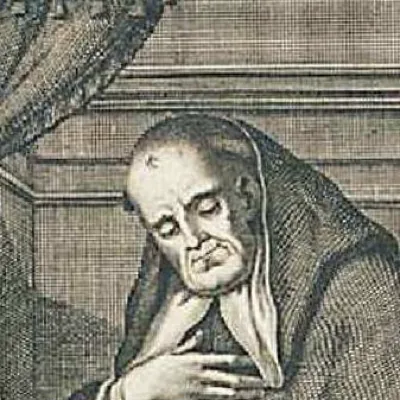
Blessed Francisco de Posadas
Dominican, preacher of Córdoba
Saint Alexis U Se-yong
Young scholar, martyr
Saint Andrew Chong Hwa-gyong
Catechist, martyr
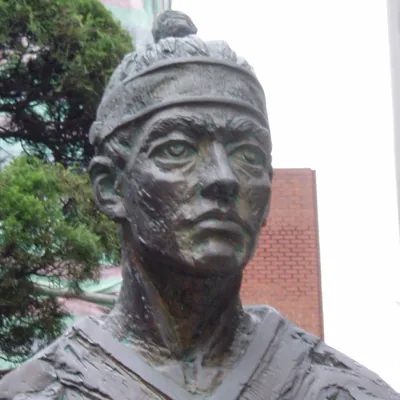
Saint Andrew Kim Taegon
First Korean priest, martyr
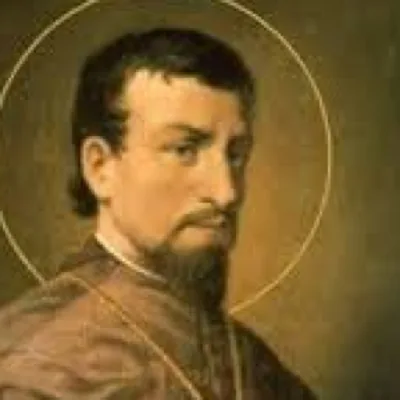
Saint Antoine Daveluy
Bishop, historian of the martyrs of Korea
Saint Anthony Kim Song-u
Catechist, martyr
Saint Augustine Pak Chong-won
Catechist, martyr
Saint Augustine Yi Kwang-hon
Catechist, martyr
Saint Augustine Yu Chin-gil
Court interpreter, martyr
Saint Bartholomew Chong Mun-ho
Former magistrate, catechist, martyr
Saint Charles Cho Shin-chol
Groom of the embassies to Beijing, martyr
Saint Charles Hyon Song-mun
Catechist, historian of the martyrs of 1839
Saint Damien Nam Myong-hyok
Catechist, martyr
Saint Stephen Min Kuk-ka
Catechist, copyist, martyr
Saint Francis Choe Kyong-hwan
Catechist of the village of Suri-san, martyr
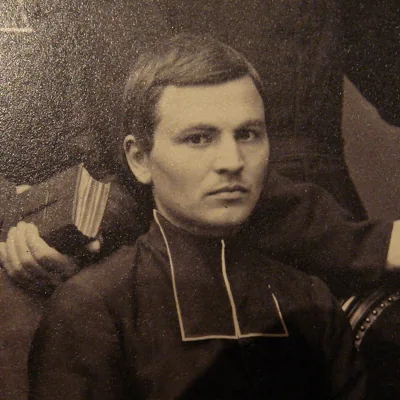
Saint Henri Dorie
Missionary of the Paris Foreign Missions Society, martyr
Saint Ignatius Kim Che-jun
Catechist, father of Andrew Kim Taegon, martyr
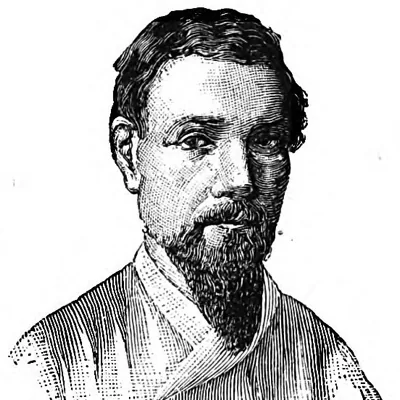
Saint Jacques Chastan
Missionary of the Paris Foreign Missions, martyr
Saint John Pak Hu-jae
Straw-sandal maker, martyr
Saint John Yi Yun-il
Catechist, martyr of Daegu
Saint John Baptist Chon Chang-un
Printer of Christian books, martyr
Saint John Baptist Nam Chong-sam
High court official, martyr
Saint John Baptist Yi Kwang-nyol
Catechist, consecrated celibate, martyr
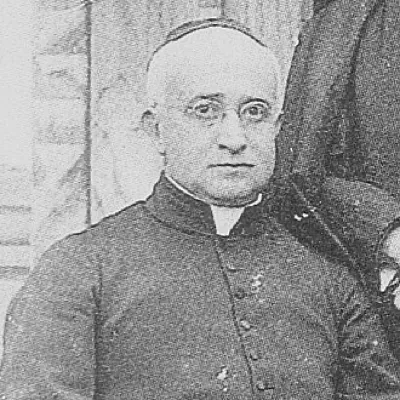
Saint José María de Yermo y Parres
The priest of the Calvary of León
Saint Joseph Chang Chu-gi
Catechist, warden of the seminary of Baeron, martyr
Saint Joseph Cho Yun-ho
Young husband, martyr
Saint Joseph Han Won-so
Catechist, martyr
Saint Joseph Im Chi-paek
Pagan baptised in prison by Andrew Kim, martyr
Saint Just de Bretenières
Missionary of the Paris Foreign Missions, martyr
Saint Lawrence Han I-hyeong
Catechist, martyr
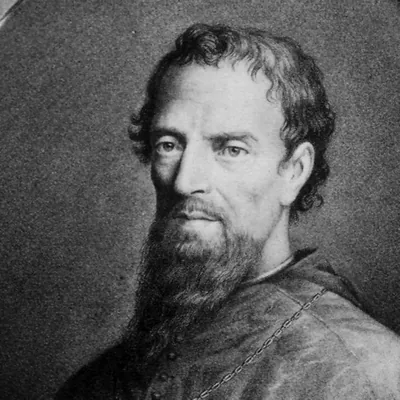
Saint Laurent Imbert
Bishop, vicar apostolic of Korea, martyr
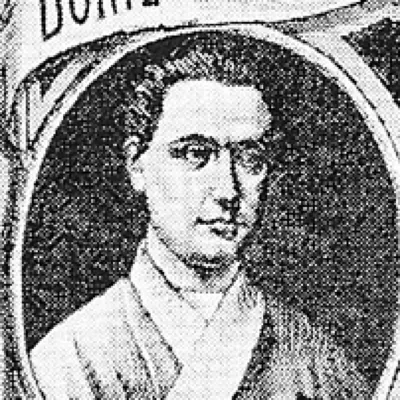
Saint Louis Beaulieu
Missionary of the Paris Foreign Missions Society, martyr
Saint Luke Hwang Sok-tu
Catechist and scholar, collaborator of the bishops, martyr
Saint Mark Chong Ui-bae
Catechist, martyr
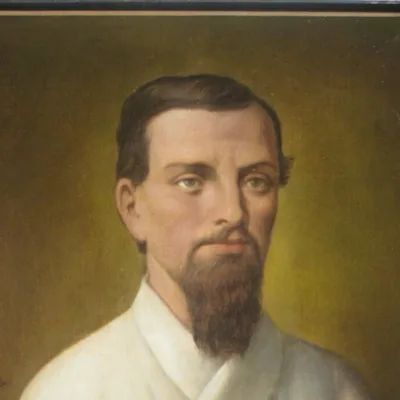
Saint Martin-Luc Huin
Missionary of the Paris Foreign Missions Society, martyr
Saint Paul Chong Ha-sang
Layman, refounder of the Church in Korea, martyr
Saint Paul Ho Hyob
Soldier, martyr
Saint Paul Hong Yong-ju
Catechist, martyr
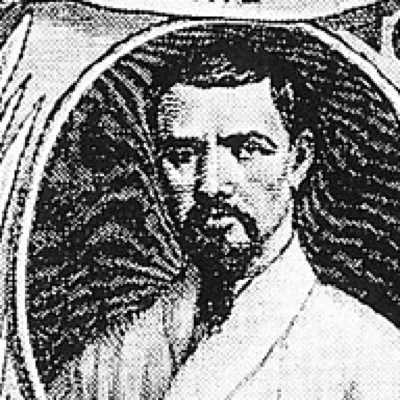
Saint Pierre Aumaître
Missionary of the Paris Foreign Missions Society, martyr
Saint Peter Cho Hwa-so
Peasant, martyr
Saint Peter Choe Chang-hub
Catechist, martyr
Saint Peter Choe Hyong
Catechist, printer, martyr
Saint Peter Chong Won-ji
Young peasant, martyr
Saint Peter Hong Pyong-ju
Catechist, martyr
Saint Peter Kwon Tug-in
Maker of crucifixes, martyr
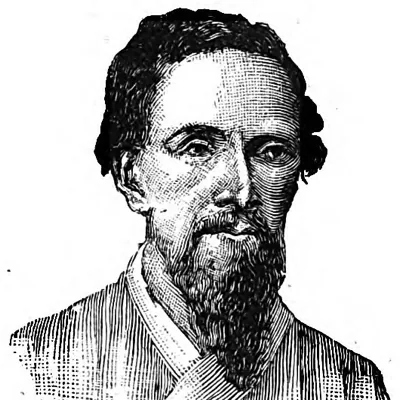
Saint Pierre Maubant
Missionary of the Paris Foreign Missions Society, martyr
Saint Peter Nam Kyong-mun
Catechist, former soldier, martyr
Saint Peter Son Son-ji
Catechist, martyr
Saint Peter Yi Ho-yong
Catechist, first of the 103 martyrs, died in prison
Saint Peter Yi Myong-so
Peasant, martyr
Saint Peter Yu Chong-nyul
Martyr of Pyongyang
Saint Peter Yu Tae-chol
The youngest of the martyrs of Korea
Saint Sebastian Nam I-gwan
Catechist, former exile, martyr
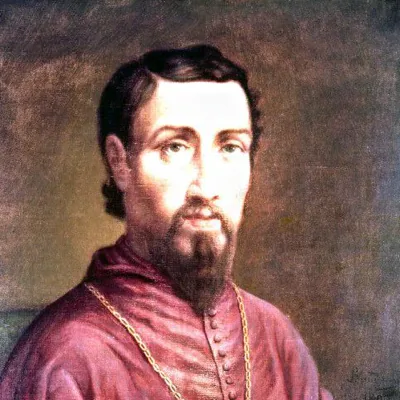
Saint Simeon Berneux
Bishop, vicar apostolic of Korea, martyr
Saint Thomas Son Cha-son
Peasant, martyr
Saint Agatha Kim A-gi
‘Jesus and Mary’, martyr baptised in prison
Saint Agatha Yi
Young virgin, martyr
Saint Agnes Kim Hyo-ju
Virgin, martyr
Saint Anna Pak A-gi
Mother of a family, martyr
Saint Barbara Choe Yong-i
Young mother, martyr
Saint Barbara Kwon Hui
Mother of a family, hostess of the missionaries, martyr
Saint Barbara Yi
Adolescent martyr, died in prison
Saint Benedicta Hyon Kyong-nyon
Catechist, martyr
Saint Catherine Chong Chol-yom
Servant, martyr
Saint Cecilia Yu So-sa
Mother of a family, martyr
Saint Columba Kim Hyo-im
Virgin, martyr
Saint Elizabeth Jeong Jeong-hye
Virgin, catechist, martyr
Saint Lucia Pak Hui-sun
Former lady of the court, martyr
Saint Magdalene Ho Kye-im
Mother of two martyrs, martyr
Saint Magdalene Son So-byok
Mother of a family, martyr
Saint Mary Yi Yon-hui
Mother of a family, martyr
Saint Susanna U Sur-im
Widow, servant, martyr
Saint Teresa Kim Im-i
Virgin, servant of Fr Andrew Kim, martyr