
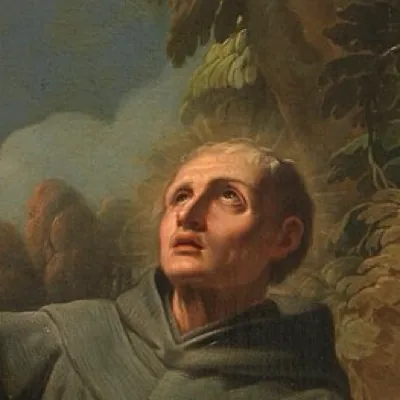
A Galician peasant who became a carter in New Spain and opened the first carriage roads in Mexico, then, a widower in his seventies, became a Franciscan lay brother and alms-collector in Puebla.
Born on 20 January 1502 at La Gudiña, in Galicia, into a peasant family, Sebastian of Aparicio sailed from Sanlúcar de Barrameda in 1533 for New Spain and settled in Puebla, a town only just founded. Seeing the native porters carrying goods on their backs, he had ox-carts built on the model of those of his native Galicia, broke in wild cattle and improved the roads: this was the country’s first wheeled transport service. Settled in Mexico City in 1542, he opened the road to the mines of Zacatecas.
He then sold his carts and became a rancher at Azcapotzalco, near Mexico City. Married twice late in life, each time he lost his wife after a few months. In 1573 he entered the service of the Poor Clares of Mexico City as a donado and finally left his property to the Franciscans, whose habit he took in 1574 and whose vows he made on 13 June 1575, at over seventy.
Assigned to the friary of Tecali and then to that of Puebla, he was for a quarter of a century a questing brother, travelling with his cart the roads of Puebla, Tlaxcala and Veracruz. He died in Puebla on 25 February 1600, aged ninety-eight, and crowds flocked to his funeral. Beatified by Pius VI on 17 May 1789, his body is still exposed for veneration in the church of San Francisco in Puebla; in Puebla as at La Gudiña, vehicles are blessed in his name.
Celebrated on the same day
Blessed María Ludovica De Angelis
The mother of the children's hospital of La Plata
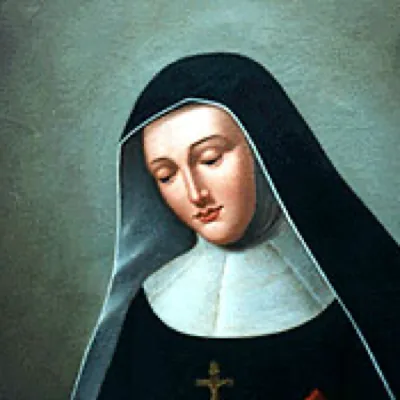
Blessed Maria Adeodata Pisani
Benedictine, abbess of the monastery of Saint Peter at Mdina
Blessed Rani Maria Vattalil
Franciscan Clarist, martyr near Indore
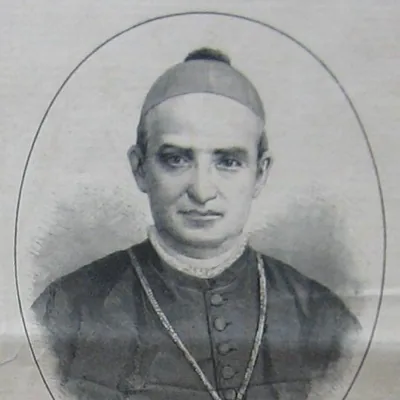
Blessed Ciriaco María Sancha
Cardinal Archbishop of Toledo, Primate of Spain
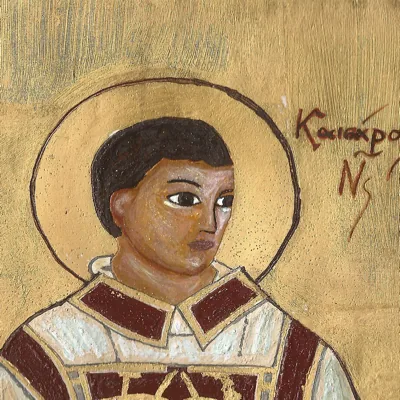
Saint Caesarius of Nazianzus
Physician
Saint Donatus of Zadar
Bishop of Zadar
Saint Gerland of Agrigento
Bishop of Agrigento
Saint Nestor of Magydus
Bishop and martyr
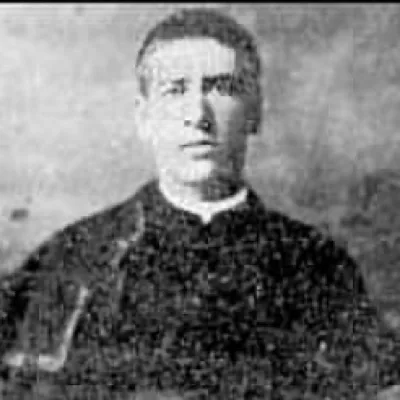
Saint Toribio Romo González
The saint of migrants
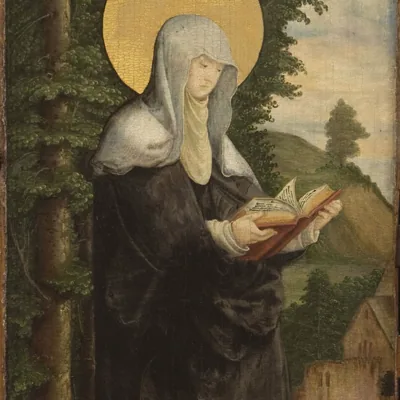
Saint Walburga
Abbess of Heidenheim
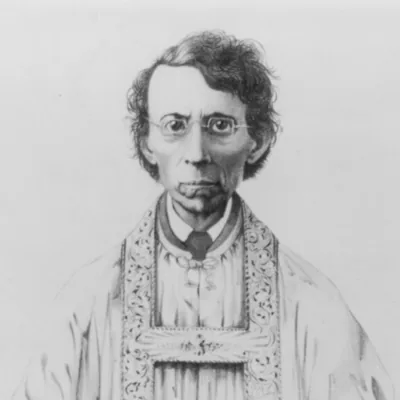
Venerable Félix Varela
Priest, philosopher and father of the Cuban conscience
In the same region
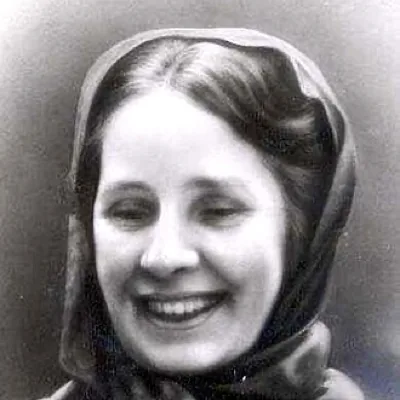
Blessed Concepción Cabrera de Armida
Conchita, mother of a family and mystic
Blessed Dina Bélanger
Pianist and mystic of Jesus and Mary
Blessed Émilie Tavernier-Gamelin
Foundress of the Sisters of Providence