
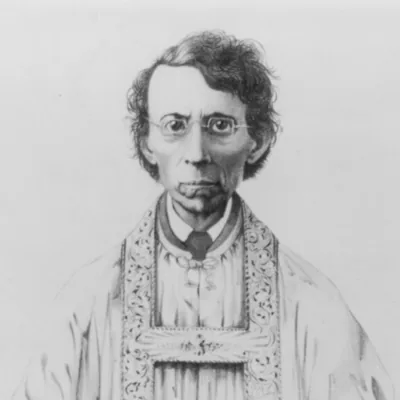
A professor at the seminary of Havana, a deputy to the Cortes in favour of the abolition of slavery, sentenced to death and exiled to New York, where he was pastor to the Irish immigrants and vicar general.
Born in Havana on 20 November 1788, his mother having died, Félix Varela grew up at Saint Augustine, in Spanish Florida, with his grandfather, a soldier, but refused a military career and returned to study at the San Carlos seminary in Havana. Ordained priest at twenty-three, he taught philosophy and science there and trained a whole generation of Cubans; one of them, José de la Luz y Caballero, said of him that he was ‘the first who taught us to think’.
Elected deputy for Cuba to the Cortes of Madrid in 1821, he joined a request for the recognition of the independence of the countries of Latin America and published an essay in favour of the abolition of slavery in Cuba. Sentenced to death after the absolutist restoration of 1823, he fled to the United States, where he founded El Habanero, the country’s first newspaper in Spanish, then became a pastor in New York, founded the parishes of Christ Church and of the Transfiguration in the service of Irish immigrants, and was appointed vicar general of the diocese in 1837. In poor health, he withdrew to Saint Augustine, where he died in February 1853; his remains have rested since the early twentieth century at the University of Havana. Benedict XVI declared him venerable in 2012.
Celebrated on the same day
Blessed María Ludovica De Angelis
The mother of the children's hospital of La Plata
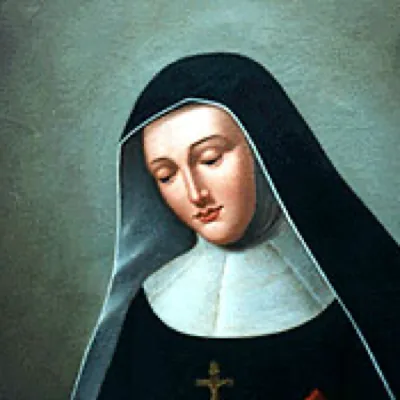
Blessed Maria Adeodata Pisani
Benedictine, abbess of the monastery of Saint Peter at Mdina
Blessed Rani Maria Vattalil
Franciscan Clarist, martyr near Indore
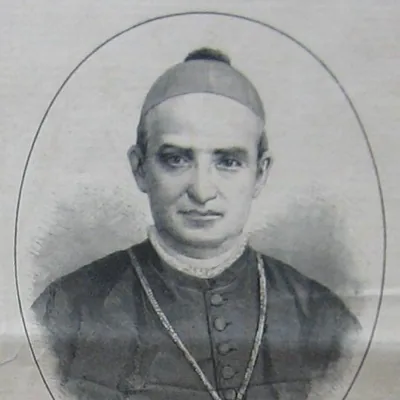
Blessed Ciriaco María Sancha
Cardinal Archbishop of Toledo, Primate of Spain
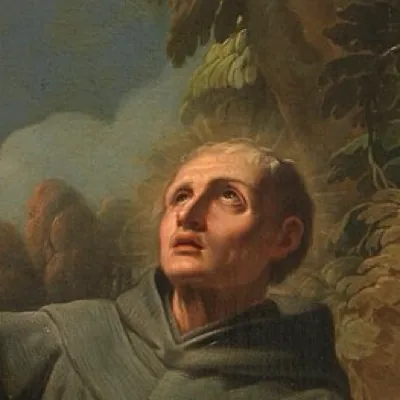
Blessed Sebastian of Aparicio
God’s carter, Franciscan brother of Puebla
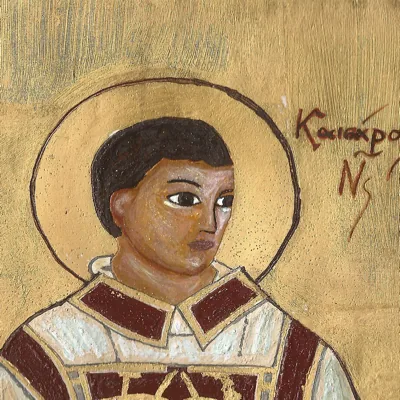
Saint Caesarius of Nazianzus
Physician
Saint Donatus of Zadar
Bishop of Zadar
Saint Gerland of Agrigento
Bishop of Agrigento
Saint Nestor of Magydus
Bishop and martyr
Saint Toribio Romo González
The saint of migrants
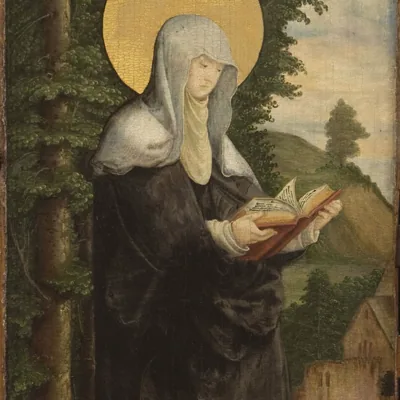
Saint Walburga
Abbess of Heidenheim
In the same region
Blessed María Encarnación Rosal
Reformer of the Bethlemites
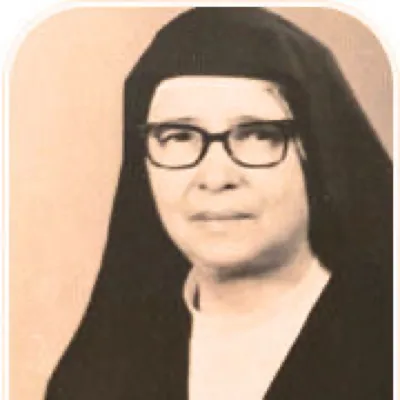
Blessed María Romero Meneses
Salesian, mother of the poor of San José
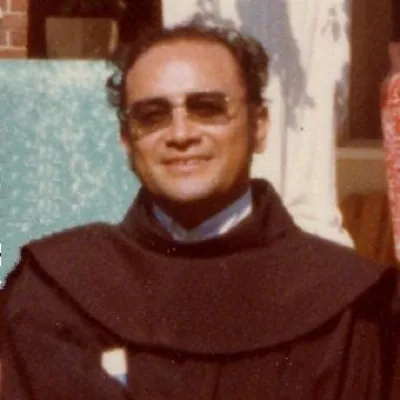
Blessed Augusto Rafael Ramírez Monasterio
Franciscan, martyr of the seal of confession