
Richardus peregrinus
Saint Richard the Pilgrim
Anglo-Saxon pilgrim, father of saints, died at Lucca
A nobleman of Wessex, father of Saints Willibald, Winnibald and Walburga, he set out on pilgrimage to Rome with his sons and died on the way at Lucca, where his tomb at San Frediano became a place of cult.
Around 720 an Anglo-Saxon nobleman of Wessex entrusted his daughter Walburga, aged about ten, to the abbey of Wimborne, renounced his goods and embarked near Southampton with his sons Willibald and Winnibald on a pilgrimage to Rome. After a halt at Rouen, the family crossed the Alps; at Lucca the father fell feverish and died. He was buried in the church of San Frediano, founded by the Irish monk Saint Frediano. The oldest source, the Hodoeporicon written by the nun Hugeburc at Heidenheim, does not give his name.
Miracles were reported at his tomb and a cult arose at Lucca, which gave him the name Richard and the title “king of the English”; this title and name appear in the tenth century and have no historical foundation. In the twelfth century his relics were exhibited at Lucca and at Eichstätt, see of his son Willibald. The Roman Martyrology commemorates him on 7 February at Lucca as the “father of Saints Willibald and Walburga”, who died on the way to Rome; his children are honoured in Germany, where the Church of Eichstätt also venerates him.
Celebrated on the same day
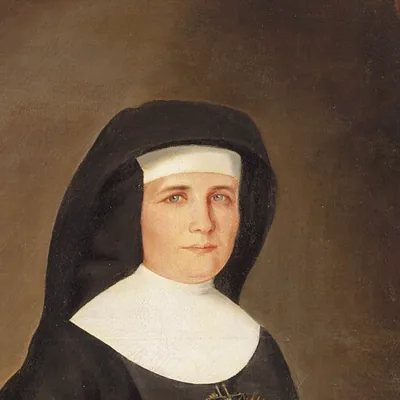
Blessed Klara Ludwika Szczęsna
Co-foundress of the Servants of the Sacred Heart
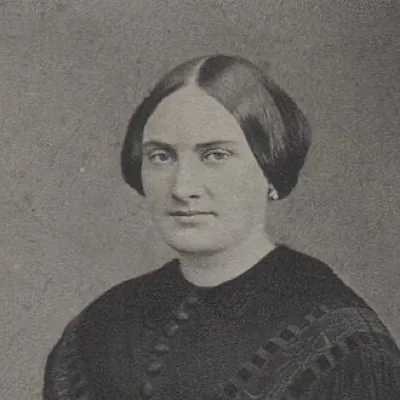
Blessed Mary of Providence
Foundress of the Helpers of the Holy Souls
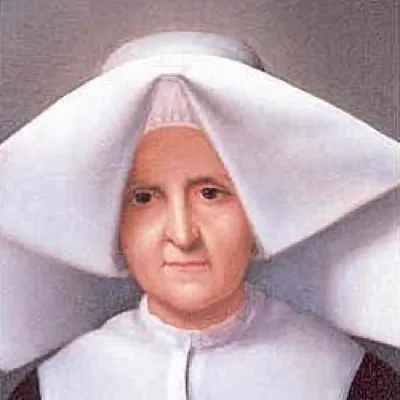
Blessed Rosalie Rendu
Daughter of Charity of the Mouffetard quarter
Blessed Alfredo Cremonesi
Missionary martyr among the Karens
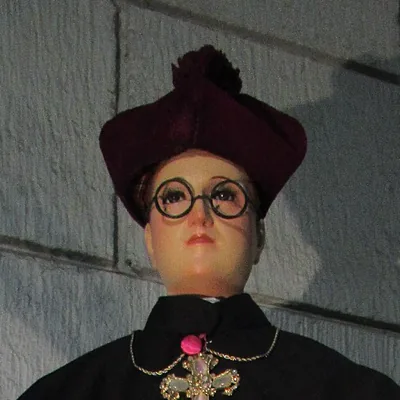
Blessed Anselmo Polanco and Felipe Ripoll
Bishop of Teruel and his vicar general, martyrs
Blessed Anthony of Stroncone
Lay brother of the Franciscan Observance
Blessed James Salès and William Saultemouche
Jesuits, martyrs of Aubenas
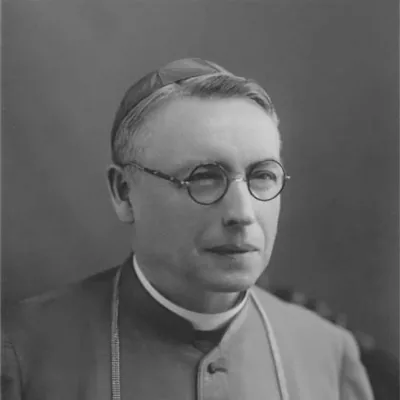
Blessed Petro Verhun
Apostolic Visitor of the Ukrainians of Germany, martyr
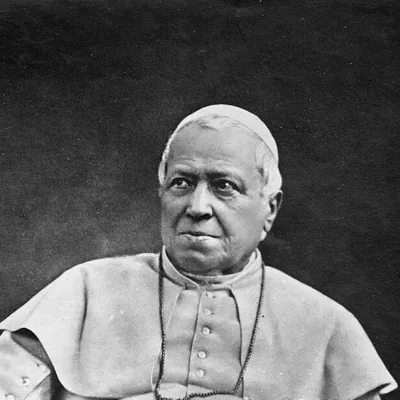
Blessed Pius IX
Pope of the Immaculate Conception and of the First Vatican Council
Blessed Thomas Sherwood
Young London cloth merchant, martyr
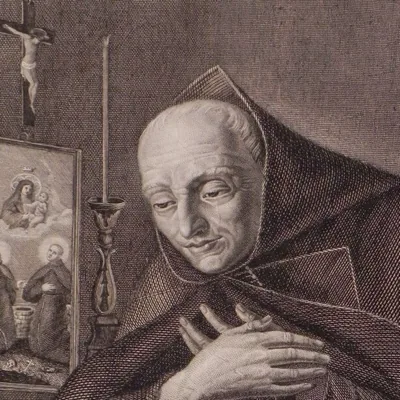
Saint Giles Mary of Saint Joseph
Alcantarine friar, “consoler of Naples”
Saint Lawrence of Siponto
Bishop of Siponto, founder of the sanctuary of Mount Gargano
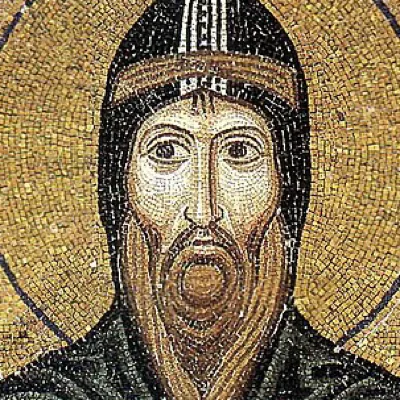
Saint Luke the Younger
Hermit, founder of Hosios Loukas
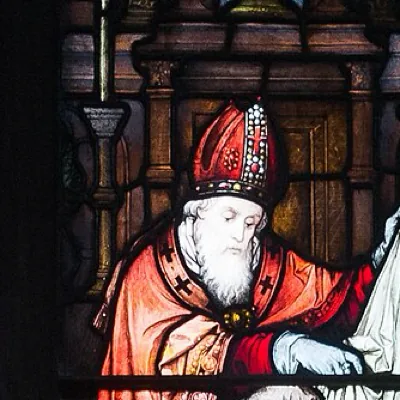
Saint Mel of Ardagh
Bishop of Ardagh, nephew of Saint Patrick
Saint Moses, Bishop of the Saracens
Hermit and bishop of the Arab tribes
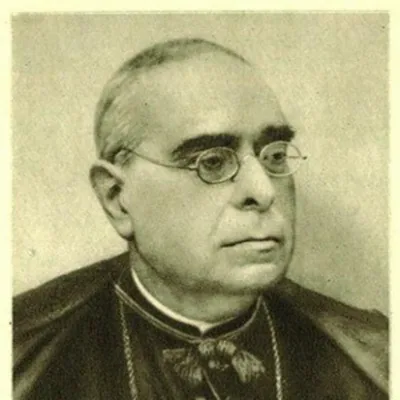
Venerable Josep Torras i Bages
Bishop of Vic, thinker of the Catalan tradition
In the same region
Blessed Angelina of Marsciano
Foundress of the Franciscan Sisters of the Third Order Regular
Blessed Anna Rosa Gattorno
Widow, foundress of the Daughters of St Anne
Blessed Anna Maria Taigi
Mother of a family and Roman mystic