
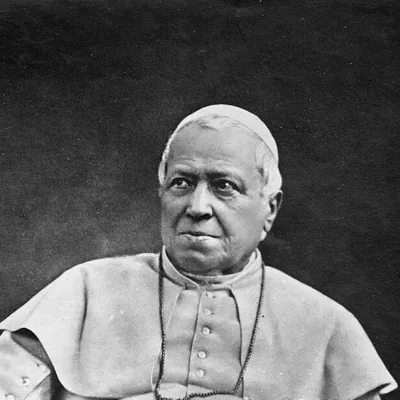
Pope for thirty-two years, the longest pontificate in history after that of Saint Peter, he defined the dogma of the Immaculate Conception, convened the First Vatican Council and saw the end of the Papal States.
Giovanni Maria Mastai Ferretti was born in 1792 at Senigallia, in the Marche. An epileptic in his youth, he was ordained a priest in 1819, directed the Roman orphanage of Tata Giovanni, took part in a diplomatic mission to Chile, then became Archbishop of Spoleto in 1827 and Bishop of Imola in 1832. Elected pope in 1846, he at first aroused the enthusiasm of the liberals by an amnesty and reforms, then the revolution of 1848 forced him into exile at Gaeta.
Back in Rome in 1850, he defined in 1854 the dogma of the Immaculate Conception, published in 1864 the encyclical Quanta cura and the Syllabus, restored the Catholic hierarchy in England and the Netherlands, and convened in 1869–1870 the First Vatican Council, which defined papal infallibility. The capture of Rome by Italian troops, on 20 September 1870, ended the Papal States; from then on he considered himself a prisoner in the Vatican. He died on 7 February 1878 and rests at San Lorenzo fuori le Mura. John Paul II beatified him in 2000.
Celebrated on the same day
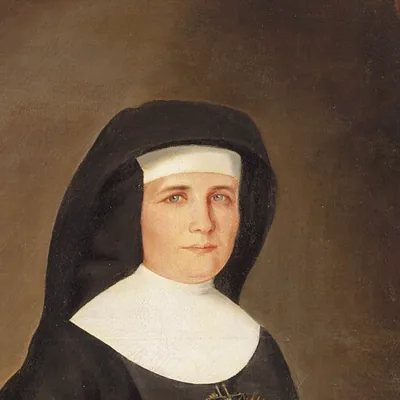
Blessed Klara Ludwika Szczęsna
Co-foundress of the Servants of the Sacred Heart
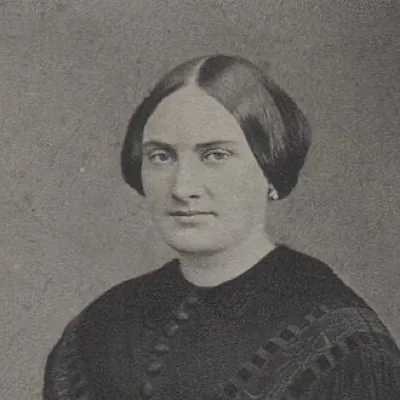
Blessed Mary of Providence
Foundress of the Helpers of the Holy Souls
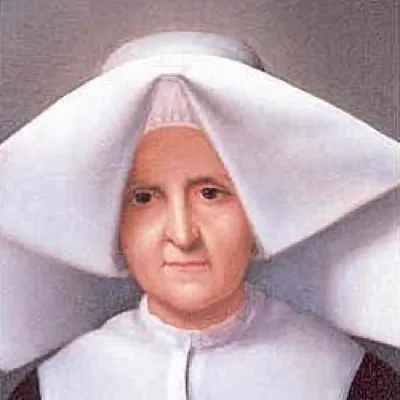
Bienheureuse Rosalie Rendu
Fille de la Charité du quartier Mouffetard
Blessed Alfredo Cremonesi
Missionary martyr among the Karens
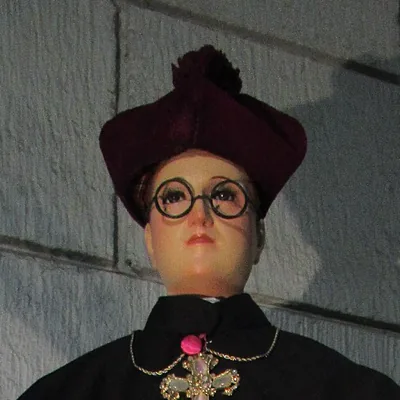
Blessed Anselmo Polanco and Felipe Ripoll
Bishop of Teruel and his vicar general, martyrs
Blessed Anthony of Stroncone
Lay brother of the Franciscan Observance
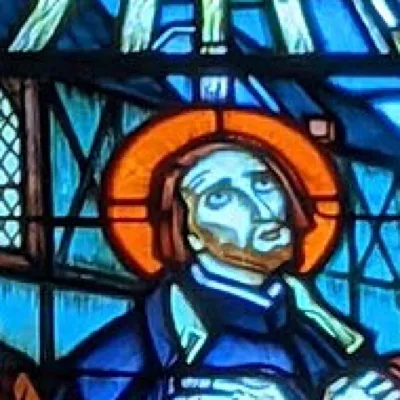
Blessed James Salès and William Saultemouche
Jesuits, martyrs of Aubenas
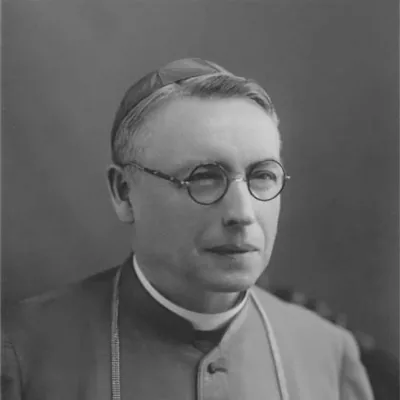
Blessed Petro Verhun
Apostolic Visitor of the Ukrainians of Germany, martyr
Bienheureux Thomas Sherwood
Jeune drapier londonien, martyr
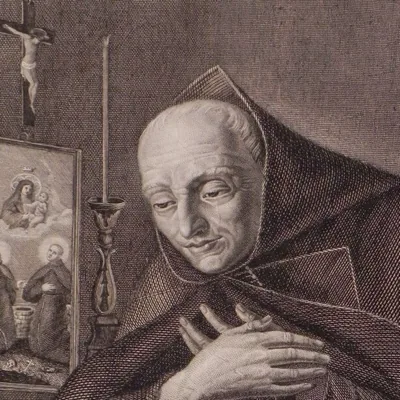
Saint Giles Mary of Saint Joseph
Alcantarine friar, “consoler of Naples”
Saint Lawrence of Siponto
Bishop of Siponto, founder of the sanctuary of Mount Gargano
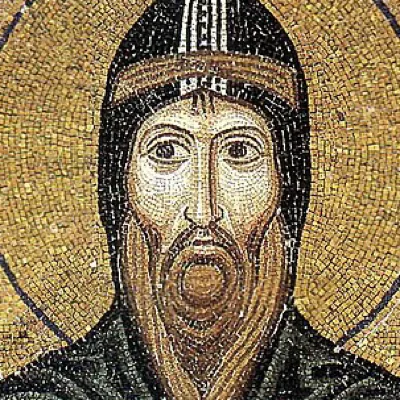
Saint Luke the Younger
Hermit, founder of Hosios Loukas
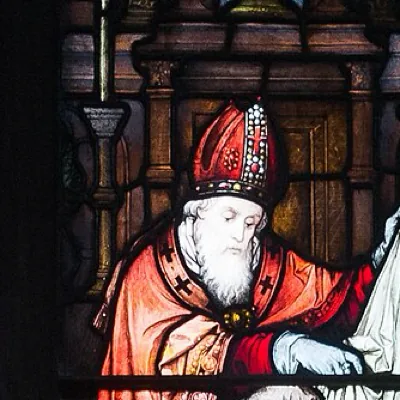
Saint Mel of Ardagh
Bishop of Ardagh, nephew of Saint Patrick
Saint Moses, Bishop of the Saracens
Hermit and bishop of the Arab tribes
Saint Richard le Pèlerin
Pèlerin anglo-saxon, père de saints, mort à Lucques
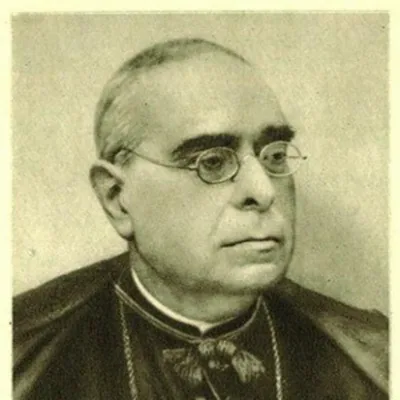
Venerable Josep Torras i Bages
Bishop of Vic, thinker of the Catalan tradition
In the same region
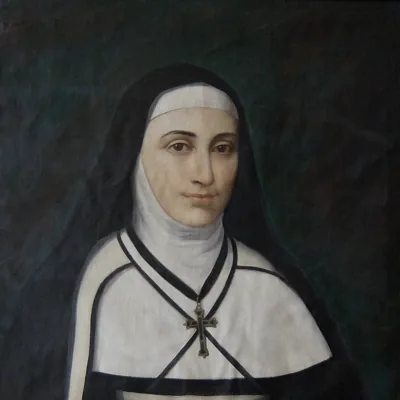
Blessed Adèle de Batz de Trenquelléon
Foundress of the Daughters of Mary Immaculate
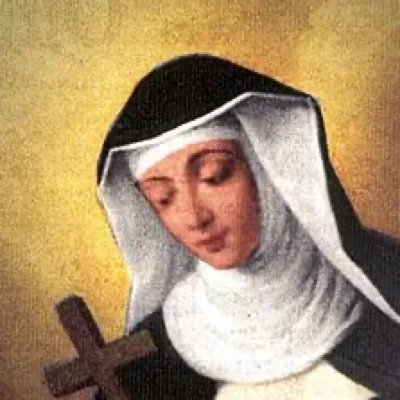
Blessed Agnes of Langeac
Dominican mystic of the Velay
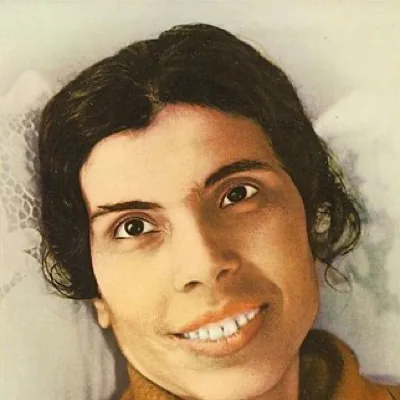
Blessed Alexandrina of Balazar
Paralysed peasant woman, victim for sinners