
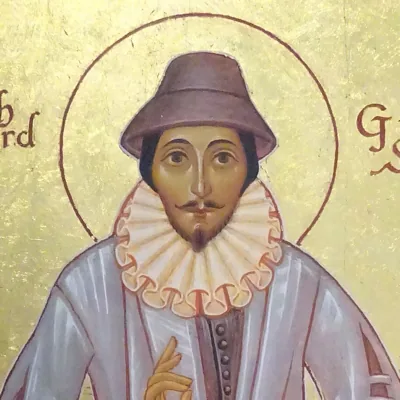
A schoolmaster and Welsh-language bard, a father of a family, he spent four years in chains in the prisons of Wales before being executed at Wrexham in 1584.
Born around 1537 at Llanidloes, in Montgomeryshire, Richard Gwyn studied at Oxford then at St John's College, Cambridge, from which the accession of Elizabeth drove him out. Returning to the region of Wrexham, he was a schoolmaster at Gresford and Overton, married and composed religious and satirical poems in Welsh. A notorious recusant, he refused to attend Anglican services and exhorted his neighbours to return to the Catholic Church.
Arrested in 1579, he escaped, then was retaken in July 1580 and thrown into the dungeons of Wrexham and Ruthin. In May 1581 he was carried by force to the church of Saint Giles at Wrexham, where he rattled his fetters to drown the preacher's voice; he was put in the stocks and loaded with fines, of which he offered to pay sixpence.
Tried for high treason in October 1584, he was hanged, drawn and quartered in the cattle market of Wrexham on 15 October 1584. The first martyr of Wales under Elizabeth, beatified in 1929, he was canonised in 1970 and in 1987 became patron of the diocese of Wrexham, whose cathedral maintains his cult.
Celebrated on the same day
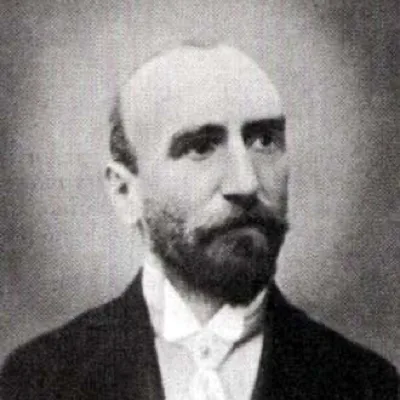
Blessed Contardo Ferrini
Jurist and professor of Roman law
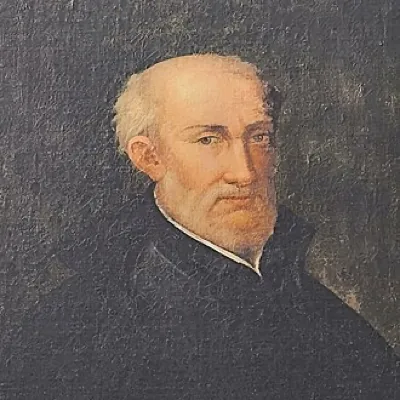
Blessed Pietro Casani
Piarist, first companion of Joseph Calasanz
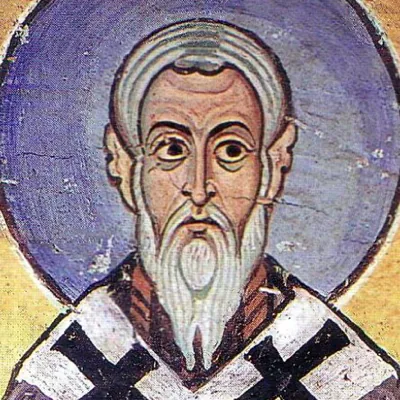
Saint Ignatius of Antioch
Bishop of Antioch and martyr
Saint Shushanik
Queen, martyr of Tsurtavi
Venerable Ernesto Cofiño
Guatemalan paediatrician, father of a family
In the same region
Blessed Margaret Pole
Countess of Salisbury, martyr
Blessed Adrian Fortescue
Knight of Malta, Dominican tertiary, martyr
Blessed Conor O’Devany
Franciscan Bishop of Down and Connor, martyr