
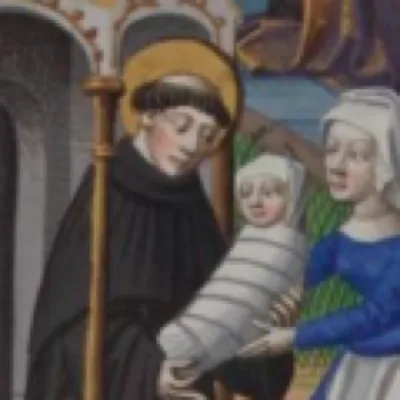
A young girl who, according to her legend, lived in a monastery under the name of Brother Marinos, accepted without defending herself an accusation of fatherhood and was recognised as a woman only at her death.
According to her Life, Mary lost her mother very young and was brought up by her father, Eugenius. When he decided to enter a monastery, she asked him whether he wished to save his soul and lose hers, and proposed to follow him in a monk’s habit: he shaved her head, dressed her as a man and called her Marinos. The beardless young monk with the gentle voice passed for a eunuch or for an ascetic worn out by fasting, and remained in the monastery after his father’s death.
One day, the daughter of an innkeeper at whose house some monks had stopped, seduced by a soldier, accused Marinos of being the father of her child. Rather than reveal himself, Marinos answered the abbot: “Forgive me, father, I have sinned as a man.” Driven out, he lived for three years at the monastery gate raising the child, then was readmitted and given the humblest tasks. Only at his death, as they prepared the body, did the monks discover that he was a woman; the young mother then confessed the truth.
Written in Greek between the sixth and seventh centuries, then translated into Syriac, Coptic, Arabic, Latin and many other languages, this Life has been located in Bithynia, in Egypt and elsewhere. The Maronite tradition makes Marina a native of Qalamoun, near Tripoli, and venerates her tomb in a cave of the monastery of Qannoubine, deep in the Qadisha Valley; Venice has claimed her relics since the thirteenth century.
Celebrated on the same day
Blessed Carlos de Dios Murias
Franciscan, martyr of Chamical
Blessed Enrique Angelelli and Companions
Martyrs of La Rioja
Blessed Gabriel Longueville
Priest of the Ardèche, martyr of Chamical
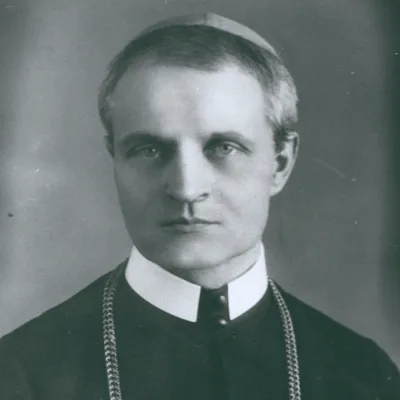
Blessed Pavol Peter Gojdič
Greek Catholic Bishop of Prešov, martyr
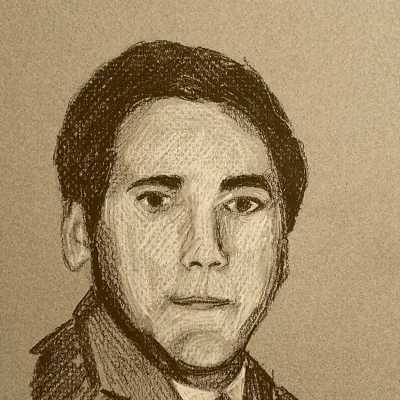
Blessed Wenceslao Pedernera
Peasant and catechist, martyr of Sañogasta
Saint Alexis
‘The man of God’, unknown beggar
Saint Ennodius of Pavia
Bishop of Pavia, rhetorician and poet
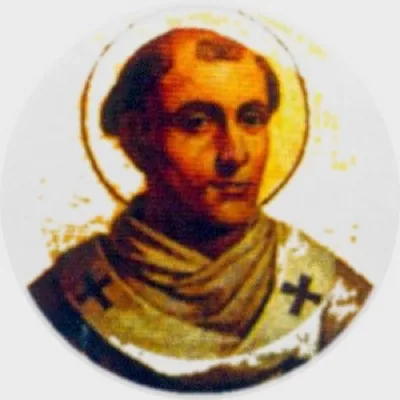
Saint Leo IV
Pope, builder of the Leonine City
Saint Constance Meunier
Novice martyr of the Carmel of Compiègne
Saint Marcellina
Consecrated virgin, elder sister of Ambrose
Saint Teresa of Saint Augustine
Prioress of the Carmelites of Compiègne
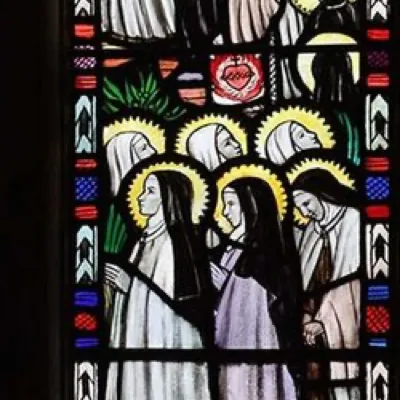
Saint Teresa of Saint Augustine and Companions
Martyrs of the Terror, offered for the peace of the Church
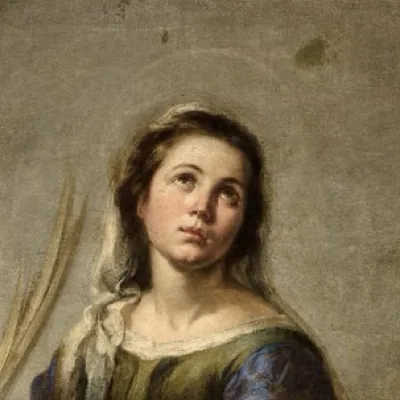
Saints Justa and Rufina
Virgins and martyrs, patronesses of Seville
Saints Andrew-Zoerard and Benedict
Hermits of Zobor and Skalka
Holy Scillitan Martyrs
First known martyrs of Latin Africa
In the same region
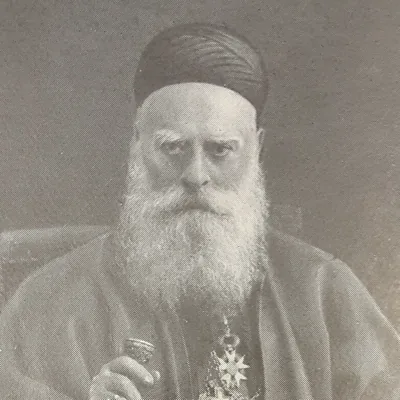
Blessed Elias Hoayek
Maronite Patriarch, father of Greater Lebanon
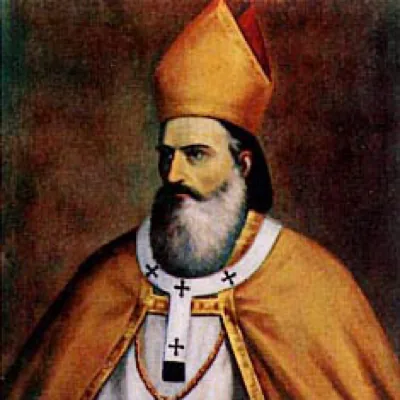
Blessed Estephan Douaihy
Maronite patriarch, historian of the Eastern Church
Blessed Estephan Nehmé
Brother of the Lebanese Maronite Order