
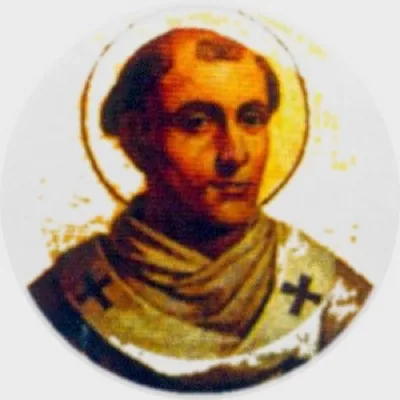
A Roman monk elected in the wake of the sack of Saint Peter’s by the Saracens, he surrounded the basilica with a wall, the Leonine City, and organised the naval victory of Ostia in 849.
A Roman, a monk at the monastery of Saint Martin near Saint Peter’s, then cardinal-priest of the Four Crowned Saints, Leo was elected in January 847, a few months after the plundering of Saint Peter’s and Saint Paul’s outside the Walls by Saracen pirates (846). He was consecrated in April, without waiting for imperial confirmation, so pressing was the danger.
In 849 he blessed at Ostia the fleet of the Campanian cities of Naples, Amalfi and Gaeta, which defeated the Saracens before the port; Raphael painted the episode in the Vatican. He had a three-kilometre wall, with forty-four towers, raised around Saint Peter’s and the Vatican, consecrated on 27 June 852 and called ever since the Leonine City; he also founded Leopolis, near Civitavecchia, to shelter the inhabitants of Centumcellae. He restored the devastated churches, held a reforming synod in 853 and received in the same year the young Alfred, future king of Wessex, who had come on pilgrimage.
He died on 17 July 855 and was buried at Saint Peter’s. The Roman Martyrology commemorates him on that day as defender of the City and of the primacy of Peter.
Celebrated on the same day
Blessed Carlos de Dios Murias
Franciscan, martyr of Chamical
Blessed Enrique Angelelli and Companions
Martyrs of La Rioja
Blessed Gabriel Longueville
Priest of the Ardèche, martyr of Chamical
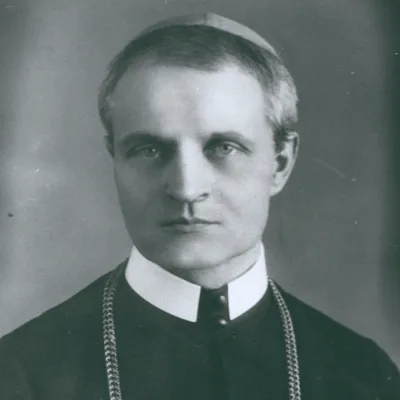
Blessed Pavol Peter Gojdič
Greek Catholic Bishop of Prešov, martyr

Blessed Wenceslao Pedernera
Peasant and catechist, martyr of Sañogasta
Saint Alexis
‘The man of God’, unknown beggar
Saint Ennodius of Pavia
Bishop of Pavia, rhetorician and poet
Saint Constance Meunier
Novice martyr of the Carmel of Compiègne
Saint Marcellina
Consecrated virgin, elder sister of Ambrose
Saint Marina the Monk
Virgin who lived in a monk’s habit
Saint Teresa of Saint Augustine
Prioress of the Carmelites of Compiègne
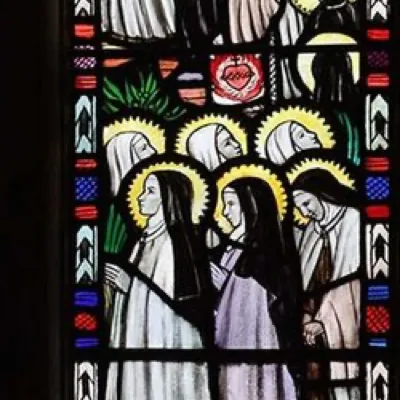
Saint Teresa of Saint Augustine and Companions
Martyrs of the Terror, offered for the peace of the Church
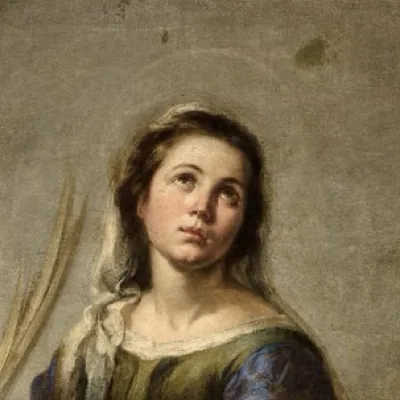
Saints Justa and Rufina
Virgins and martyrs, patronesses of Seville
Saints Andrew-Zoerard and Benedict
Hermits of Zobor and Skalka
Holy Scillitan Martyrs
First known martyrs of Latin Africa
In the same region
Blessed Angelina of Marsciano
Foundress of the Franciscan Sisters of the Third Order Regular
Blessed Anna Rosa Gattorno
Widow, foundress of the Daughters of St Anne
Blessed Anna Maria Taigi
Mother of a family and Roman mystic