
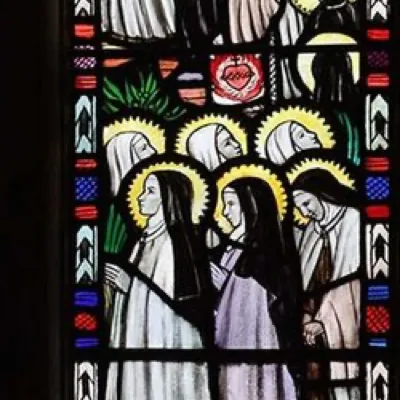
Saint Teresa of Saint Augustine and Companions
Martyrs of the Terror, offered for the peace of the Church
Sixteen Carmelite nuns of Compiègne, guillotined in Paris on 17 July 1794 after offering themselves to God that the Terror might cease; Pope Francis canonised them in 2024.
Expelled from their monastery in September 1792, the Carmelites of Compiègne continued to live their rule in four groups lodged in the town. Their prioress, Mother Teresa of Saint Augustine, had proposed to them that very year an act of offering: to give themselves as a holocaust so that peace might be restored to the Church and to France. All pronounced it, at first with fear in the case of two of them, then every day.
Arrested on 22 and 23 June 1794 and taken to the Conciergerie on 12 July, they were condemned on the 17th by the revolutionary tribunal for “fanaticism and sedition”. That very evening, on the Place du Trône-Renversé (today Place de la Nation), they went up to the scaffold one by one singing the Veni Creator, renewed their vows and took up the Laudate Dominum; the prioress went last. Their bodies were thrown into the common grave of Picpus. Ten days later the fall of Robespierre put an end to the Great Terror.
The account of a survivor, Mother Marie of the Incarnation, who was absent at the time of the arrest, made their martyrdom known. Pius X beatified them in 1906; Pope Francis extended their cult to the universal Church by an equipollent canonisation on 18 December 2024. The novella of Gertrud von Le Fort, The Song at the Scaffold (1931), then the Dialogues of the Carmelites of Georges Bernanos and the opera of Francis Poulenc made their story famous.
Celebrated on the same day
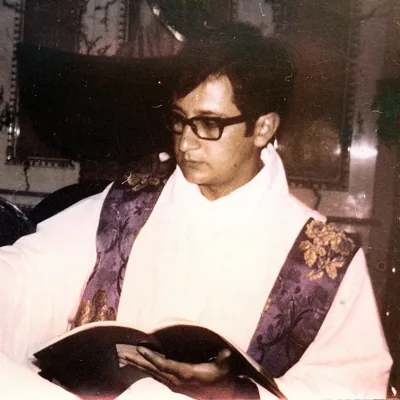
Blessed Carlos de Dios Murias
Franciscan, martyr of Chamical
Blessed Enrique Angelelli and Companions
Martyrs of La Rioja
Blessed Gabriel Longueville
Priest of the Ardèche, martyr of Chamical
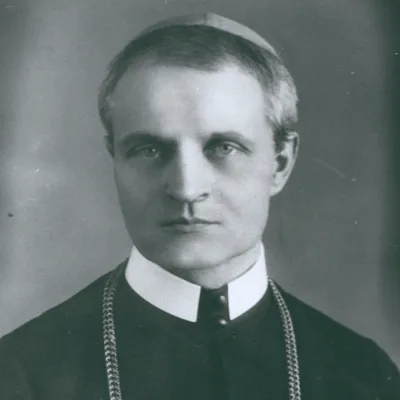
Blessed Pavol Peter Gojdič
Greek Catholic Bishop of Prešov, martyr
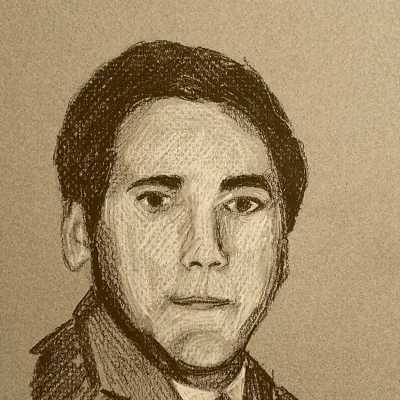
Blessed Wenceslao Pedernera
Peasant and catechist, martyr of Sañogasta
Saint Alexis
‘The man of God’, unknown beggar
Saint Ennodius of Pavia
Bishop of Pavia, rhetorician and poet
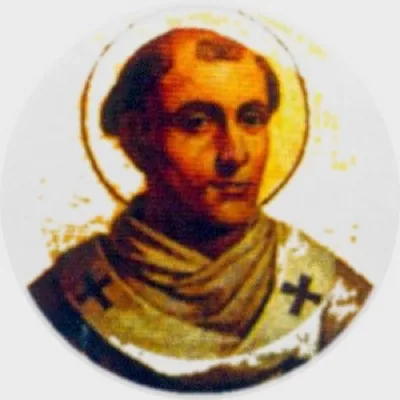
Saint Leo IV
Pope, builder of the Leonine City
Saint Constance Meunier
Novice martyr of the Carmel of Compiègne
Saint Marcellina
Consecrated virgin, elder sister of Ambrose
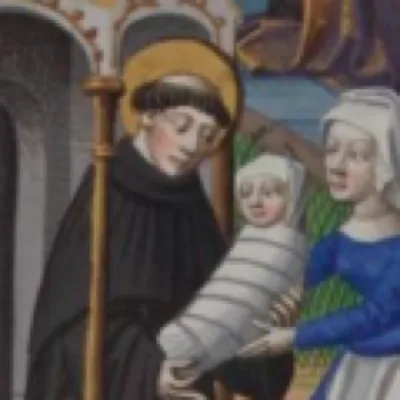
Saint Marina the Monk
Virgin who lived in a monk’s habit
Saint Teresa of Saint Augustine
Prioress of the Carmelites of Compiègne
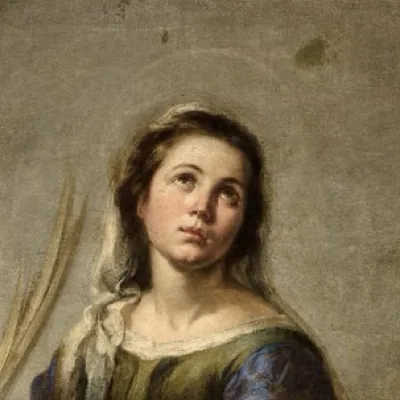
Saints Justa and Rufina
Virgins and martyrs, patronesses of Seville
Saints Andrew-Zoerard and Benedict
Hermits of Zobor and Skalka
Holy Scillitan Martyrs
First known martyrs of Latin Africa
In the same region
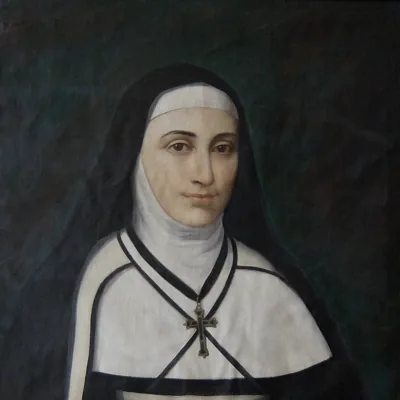
Blessed Adèle de Batz de Trenquelléon
Foundress of the Daughters of Mary Immaculate
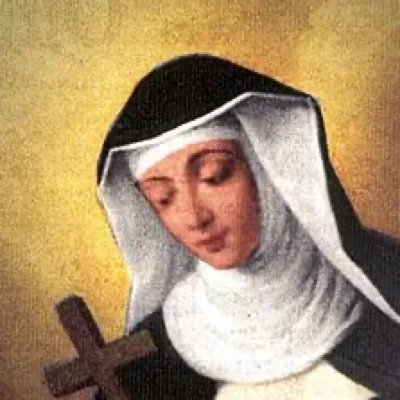
Blessed Agnes of Langeac
Dominican mystic of the Velay
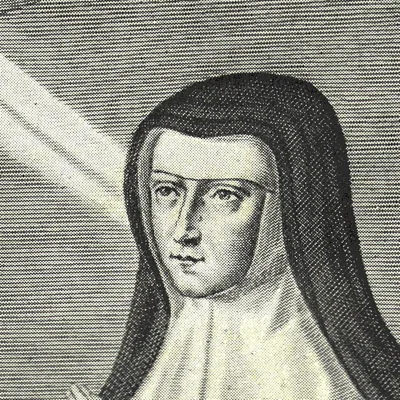
Blessed Alix Le Clerc
Foundress of the Congregation of Notre Dame