
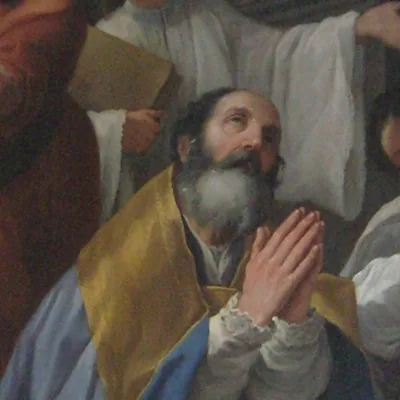
Bishop of a small town in Africa, he refused to hand over the sacred books at Diocletian’s first edict: ‘It is better that I myself be burned than the divine Scriptures.’
In February 303, Diocletian’s first edict ordered the destruction of the churches and the burning of the books of the Scriptures. At Thibiuca, the curator Magnilianus summoned Bishop Felix and demanded the books. Felix refused: ‘I have the books, but I do not give them up.’ Sent to Carthage, he maintained his refusal before the legate and then before the proconsul Anulinus.
According to his Passion, he declared that it was better for himself to be burned than the divine Scriptures. The proconsul had him beheaded on 15 July 303; he was fifty-six years old. He was buried at Carthage, on the road called that of the Scillitans, in the basilica of Faustus. Later traditions had his body carried to Italy, to Venosa or Nola. His steadfastness contrasts with that of the traditores who handed over the books, and whose attitude was at the origin of the Donatist schism.
It is better that I myself be burned than the divine Scriptures.
Celebrated on the same day
Blessed Anne-Marie Javouhey
Foundress of the Sisters of St Joseph of Cluny
Blessed Ignatius de Azevedo and Companions
The forty martyrs of Brazil, killed off La Palma
Saint Athanasius I of Naples
Bishop of Naples, defender of the freedom of the Church
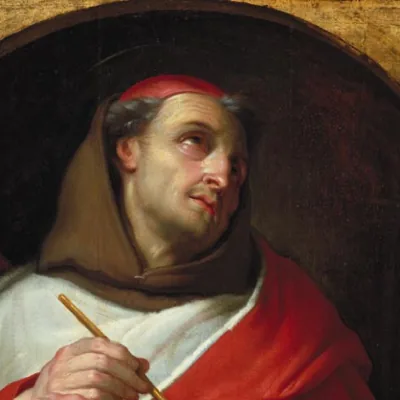
Saint Bonaventure
Seraphic Doctor, Minister General of the Franciscans
Saint David of Munktorp
English Cluniac monk, apostle of Västmanland
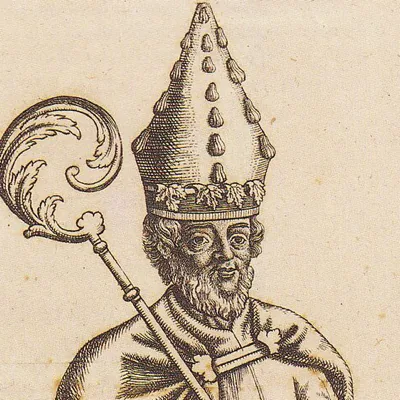
Saint Gumbert of Ansbach
Founding abbot of Ansbach
Saint James of Nisibis
First bishop of Nisibis
Saint Joseph of Thessalonica
Archbishop of Thessalonica, hymnographer and confessor
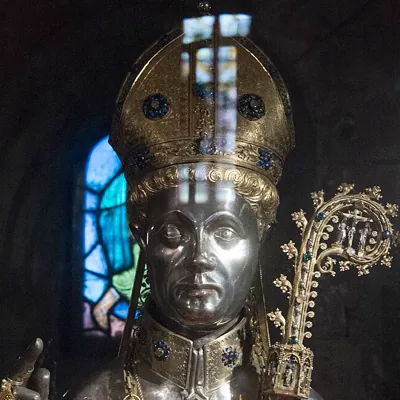
Saint Plechelm
Missionary bishop, patron of Oldenzaal
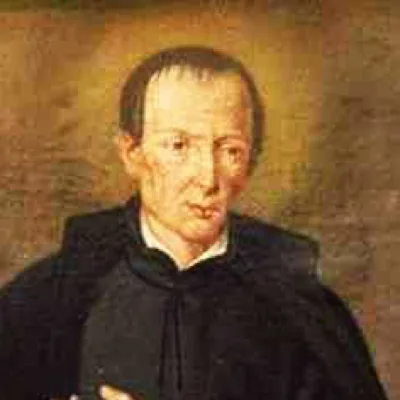
Saint Pompilio Maria Pirrotti
Piarist, preacher and educator
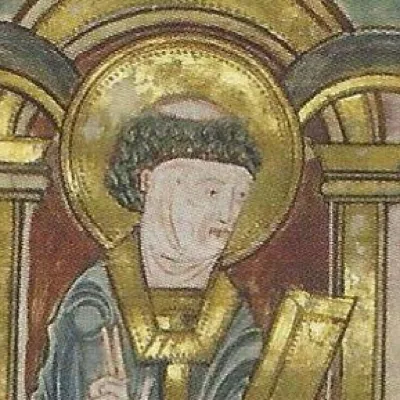
Saint Swithun
Bishop of Winchester
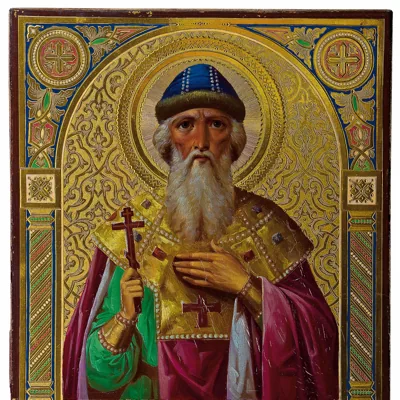
Saint Vladimir the Great
Grand Prince of Kiev, baptiser of the Rus’
Servant of God Rudolf Lunkenbein
Martyr of Meruri, with Simão Bororo
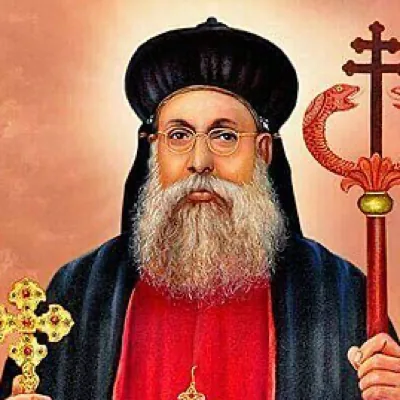
Venerable Geevarghese Mar Ivanios
First archbishop of Trivandrum, father of the Syro-Malankara Catholic Church
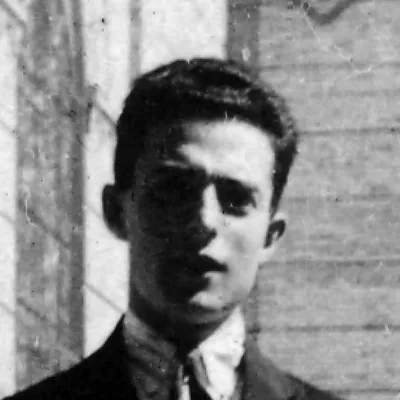
Venerable Isidoro Zorzano
Engineer, one of the first members of Opus Dei
In the same region
Blessed Anthony Neyrot
Dominican, martyr at Tunis
The Sixty Martyrs of Sufes
Christians killed by a pagan riot
Saint Aurelius of Carthage
Bishop of Carthage, primate of Africa