
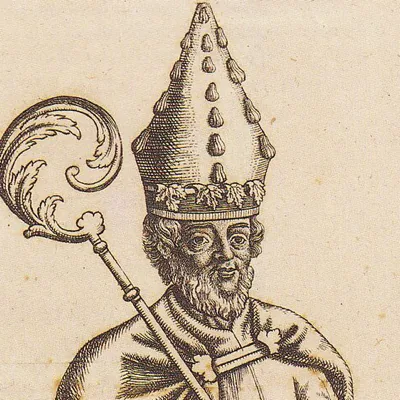
A Frankish nobleman who founded before 748 on his estate the Benedictine abbey of Ansbach and placed it in 786 under the protection of Charlemagne; the town of Ansbach grew up around his monastery.
Of the Frankish aristocracy, Gumbert is said to have learned from Saint Burchard of Würzburg, according to his legendary twelfth-century Life, to live poorly in the midst of riches. Before 748 he founded on his lands at Ansbach a Benedictine monastery dedicated to the Virgin, which he directed himself; in 786 he gave it to Charlemagne, who granted it immunity and free election of the abbot.
He died after 786, around 790 according to the Roman Martyrology; his first feast, on 11 March, is perhaps the day of his death. A late tradition, without support in the ancient sources, makes him a bishop of Würzburg elected in 794 and dead before his consecration: the see was then held by Berowelf. His relics are kept in the church of Saint Gumbert at Ansbach. A famous Romanesque Bible, the Gumbert Bible, and a gospel book bear his name. He is celebrated on 15 July.
Celebrated on the same day
Blessed Anne-Marie Javouhey
Foundress of the Sisters of St Joseph of Cluny
Blessed Ignatius de Azevedo and Companions
The forty martyrs of Brazil, killed off La Palma
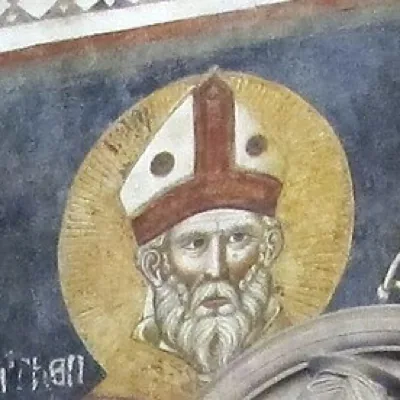
Saint Athanasius I of Naples
Bishop of Naples, defender of the freedom of the Church
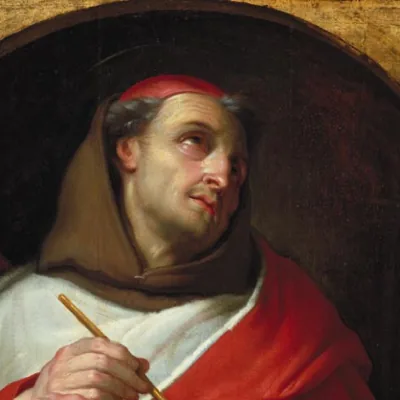
Saint Bonaventure
Seraphic Doctor, Minister General of the Franciscans
Saint David of Munktorp
English Cluniac monk, apostle of Västmanland
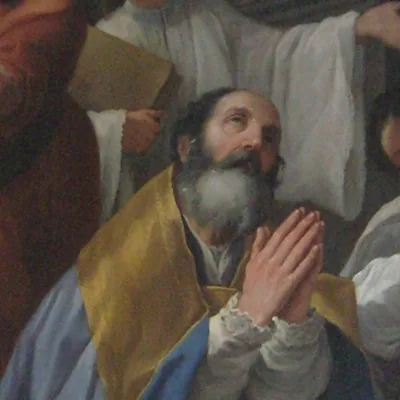
Saint Felix of Thibiuca
Bishop, martyr for the Scriptures
Saint James of Nisibis
First bishop of Nisibis
Saint Joseph of Thessalonica
Archbishop of Thessalonica, hymnographer and confessor
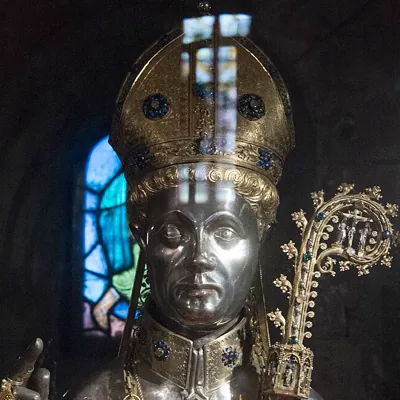
Saint Plechelm
Missionary bishop, patron of Oldenzaal
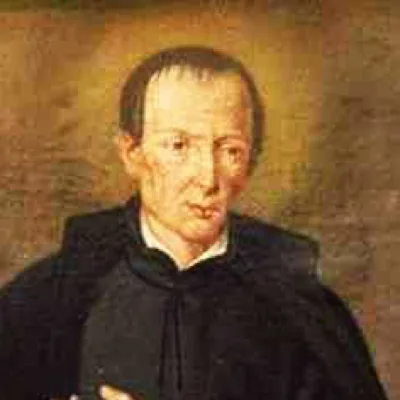
Saint Pompilio Maria Pirrotti
Piarist, preacher and educator
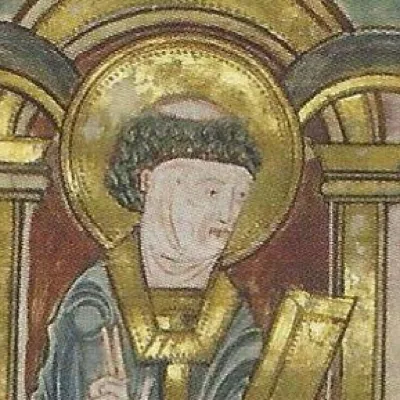
Saint Swithun
Bishop of Winchester
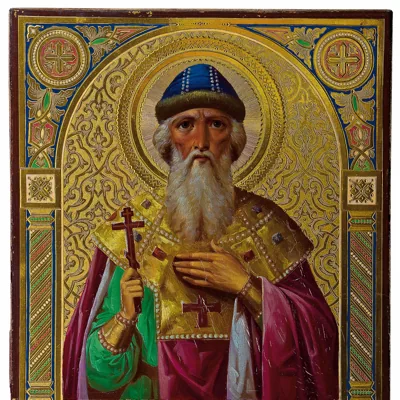
Saint Vladimir the Great
Grand Prince of Kiev, baptiser of the Rus’
Servant of God Rudolf Lunkenbein
Martyr of Meruri, with Simão Bororo
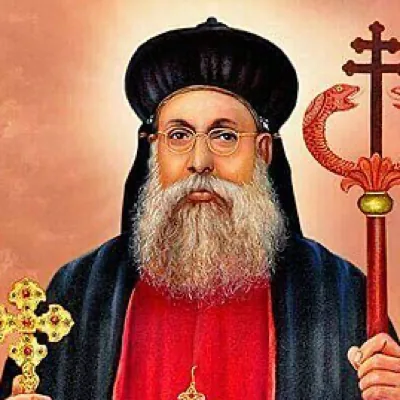
Venerable Geevarghese Mar Ivanios
First archbishop of Trivandrum, father of the Syro-Malankara Catholic Church
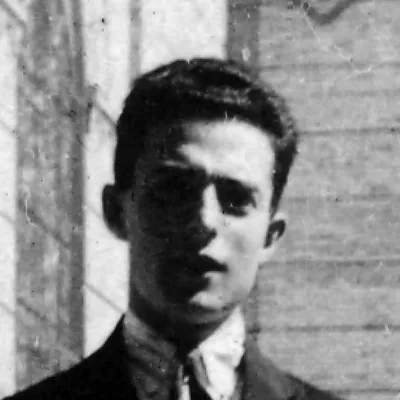
Venerable Isidoro Zorzano
Engineer, one of the first members of Opus Dei
In the same region

Blessed Anne Catherine Emmerich
The stigmatic of Dülmen
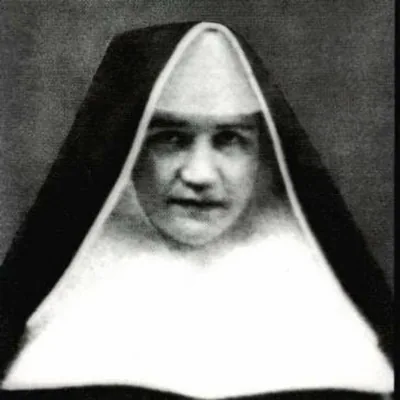
Blessed Blandine Merten
Ursuline, schoolteacher of the Saarland and Trier
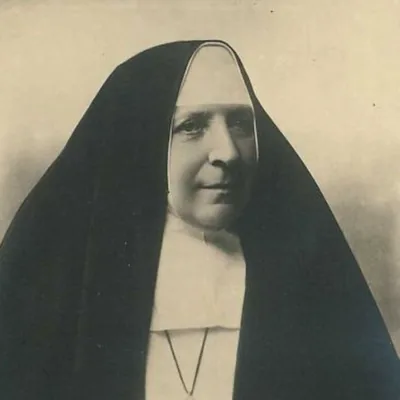
Blessed Clara Fey
Foundress of the Sisters of the Poor Child Jesus