
A priest of Nola who suffered imprisonment for Christ in the mid-third century without being put to death; his tomb became one of the great pilgrimages of the West thanks to Saint Paulinus of Nola, who sang his praises every year.
We know Felix through Saint Paulinus of Nola, who settled near his tomb in 395 and composed in his honour, for every 14 January, a poem called a ‘natalicium’. According to these accounts, Felix, a priest of Nola, was arrested during a persecution of the mid-third century, probably that of Decius, while his bishop Maximus hid in the mountains. Freed from prison by an angel, Paulinus relates, he found the old bishop half dead from hunger and cold and carried him back on his shoulders.
Sought again, he escaped the soldiers by hiding in a ruin whose entrance was immediately covered by a spider’s web, so that no one thought of looking for him there. When peace returned, he refused to succeed Maximus as bishop, did not reclaim his confiscated property and lived in poverty from a small field that he tilled himself, sharing the rest with the poor. He died around 260, without having been put to death: the Church honours him as a confessor.
His tomb, in the cemetery outside Nola, drew crowds very early. Paulinus had a new basilica built there at the beginning of the fifth century, together with a complex of sanctuaries whose site has kept the name: Cimitile, from the Latin ‘coemeterium’. Saint Augustine, Saint Gregory of Tours and the Venerable Bede spoke of him.
Celebrated on the same day
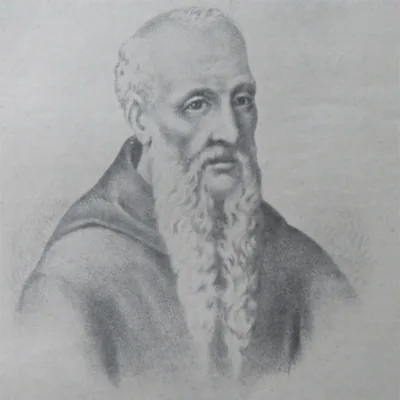
Blessed Odoric of Pordenone
Franciscan, traveller and missionary in China
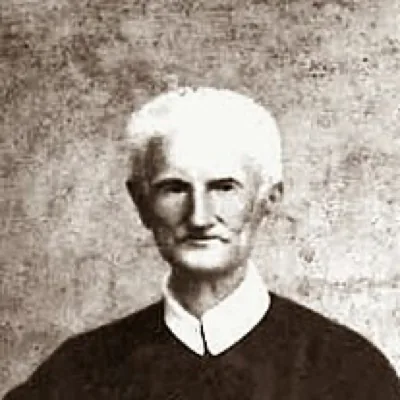
Blessed Peter Donders
Apostle of the lepers of Suriname
Saint Barbashmin
Catholicos of Seleucia-Ctesiphon, martyr
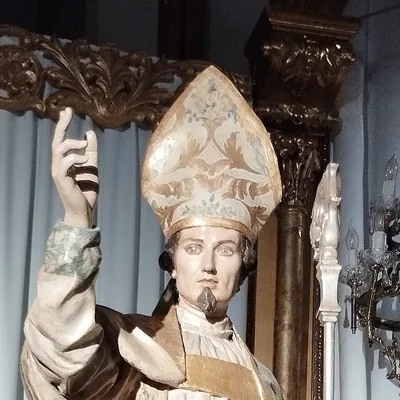
Saint Fulgentius of Cartagena
Bishop of Écija, patron of the diocese of Cartagena
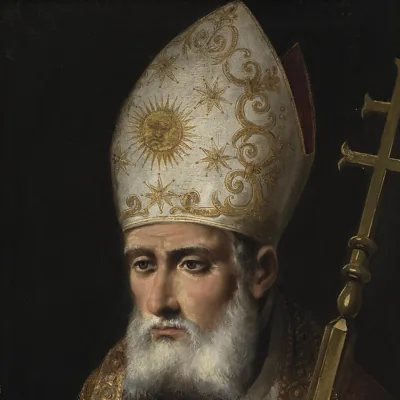
Saint John of Ribera
Archbishop of Valencia, Patriarch of Antioch
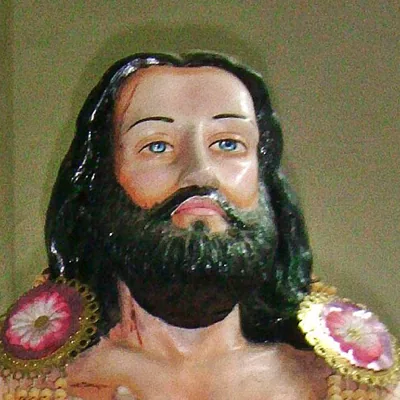
Saint Lazarus Devasahayam
Layman, martyr of Travancore
Saint Potitus
Adolescent martyr, native of Serdica
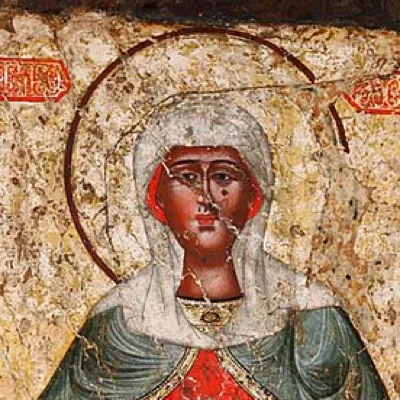
Saint Nino
Equal to the apostles, enlightener of Georgia
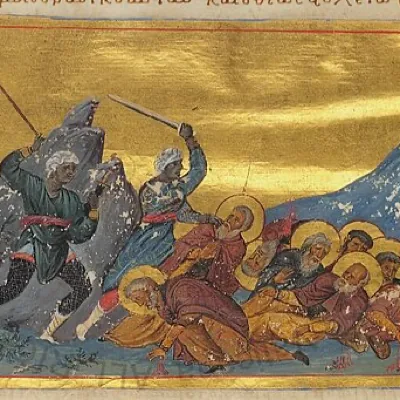
Holy Monk Martyrs of Sinai and Raithu
Monks massacred by nomads

Venerable Anne de Guigné
Child of Annecy who died at ten
In the same region
Blessed Angelina of Marsciano
Foundress of the Franciscan Sisters of the Third Order Regular
Blessed Anna Rosa Gattorno
Widow, foundress of the Daughters of St Anne
Blessed Anna Maria Taigi
Mother of a family and Roman mystic