
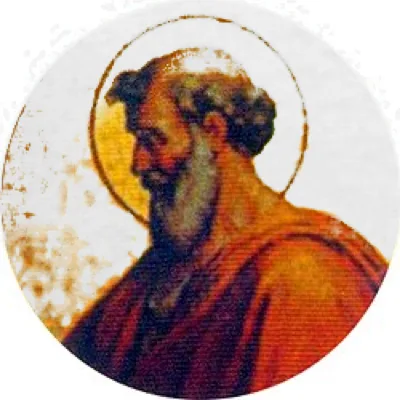
Elected in spite of himself against the antipope Eulalius, he had to await the emperor’s arbitration to govern the Church, supported Saint Augustine against the Pelagians and defended the rights of Rome over Illyricum.
A Roman, the son of the priest Jocundus, Boniface was already elderly when, after the funeral of Zosimus, part of the clergy elected him on 28 December 418, while the deacons had chosen the archdeacon Eulalius the day before. The two men elected were consecrated on the same day and Rome was divided. Emperor Honorius at first supported Eulalius, then, the latter having violated the order to stay outside Rome, recognised Boniface on 3 April 419; the pope, who had taken refuge near the tomb of Saint Felicity, on the Via Salaria, returned to Rome on 10 April. To prevent a new schism, Honorius decreed that in the event of a double election neither candidate would be recognised.
A defender of discipline and of the rights of metropolitans, he maintained the authority of Rome over Illyricum against a law of Theodosius II favourable to the see of Constantinople (421). He supported Saint Augustine, who dedicated to him his treatise Against Two Letters of the Pelagians. He died on 4 September 422 and was buried in the cemetery of Maximus, on the Via Salaria, near the tomb of Saint Felicity, in whose honour he had built an oratory.
Celebrated on the same day
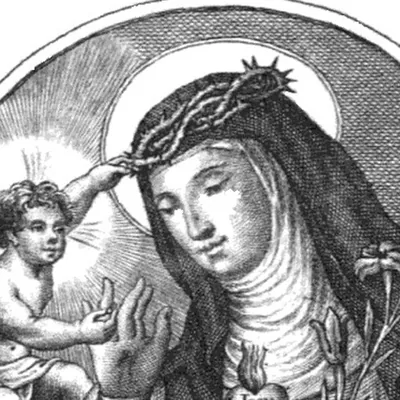
Blessed Catherine of Racconigi
Weaver and Dominican tertiary of Piedmont
Blessed Dina Bélanger
Pianist and mystic of Jesus and Mary
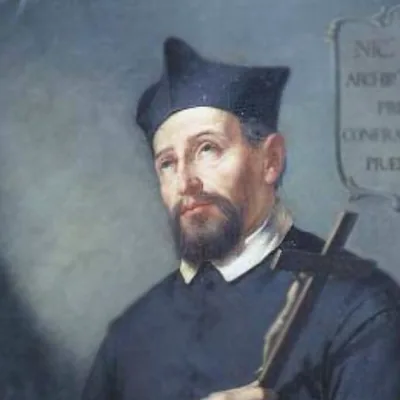
Blessed Nicolò Rusca
Archpriest of Sondrio, martyr of the Valtellina
Saint Mac Nissi of Connor
First bishop of Connor
Saint Marcellus of Chalon
Martyr of Chalon-sur-Saône
Saint Ultan of Ardbraccan
Bishop of Ardbraccan, father of orphans
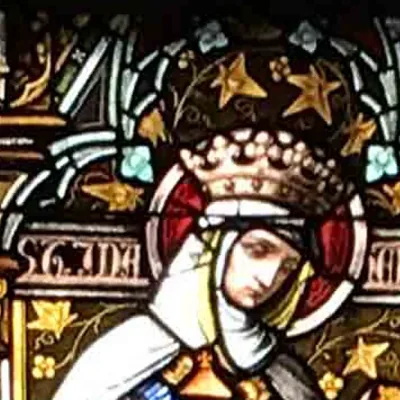
Saint Ida of Herzfeld
Countess, first saint of Westphalia
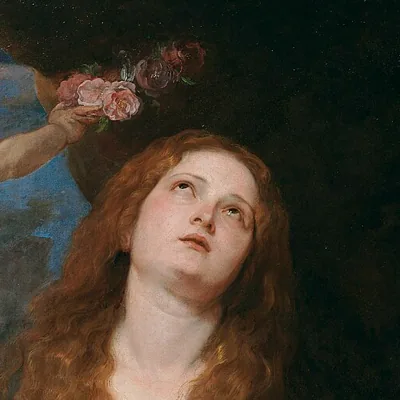
Saint Rosalia
Virgin hermit, patron of Palermo
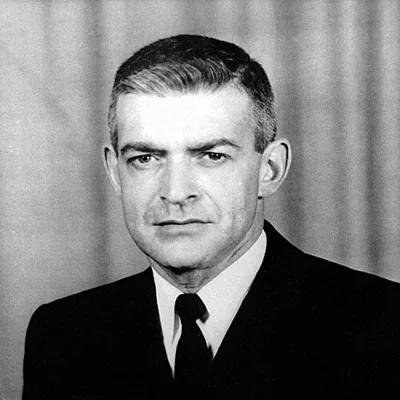
Servant of God Vincent Capodanno
Marine chaplain, the “Grunt Padre”
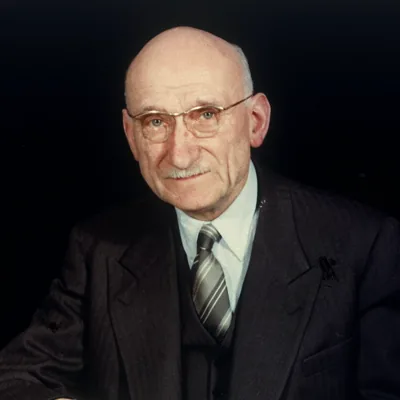
Venerable Robert Schuman
Statesman, “father of Europe”
In the same region
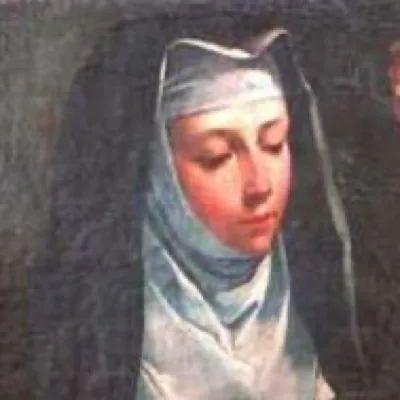
Blessed Angelina of Marsciano
Foundress of the Franciscan Sisters of the Third Order Regular
Blessed Anna Rosa Gattorno
Widow, foundress of the Daughters of St Anne
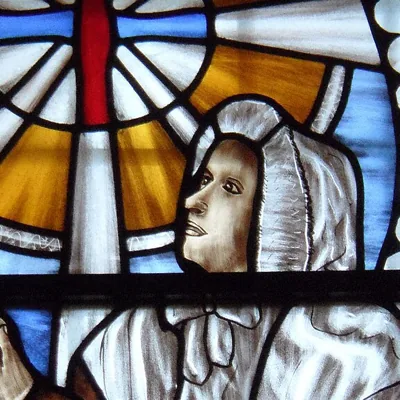
Blessed Anna Maria Taigi
Mother of a family and Roman mystic