
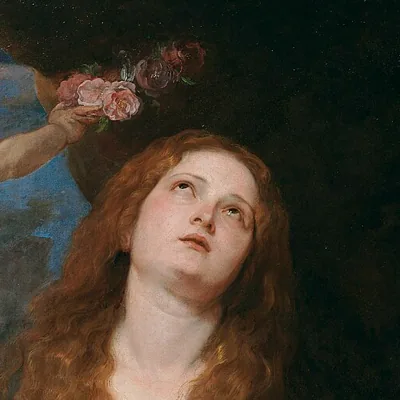
A young noblewoman of Palermo who withdrew as a hermit to a cave on Monte Pellegrino, she was forgotten until the discovery of her bones during the plague of 1624, whose end made her the “Santuzza”, patron of Palermo.
According to tradition, Rosalia was born around 1130 at Palermo, in the Norman family of the Sinibaldi, and grew up at the court of King Roger II. Still young, she renounced marriage and withdrew as a hermit, first to a cave on the Quisquina, near Santo Stefano Quisquina, where a Latin inscription engraved in the rock is attributed to her, then to Monte Pellegrino, which overlooks Palermo. She died there alone, around 1170.
Her memory remained alive at Palermo, but her tomb was forgotten. In 1624, while the plague ravaged the city, a sick woman declared that she had seen the saint, who told her where to find her remains. On 15 July 1624 bones were discovered in the cave on Monte Pellegrino; carried in procession through Palermo in June 1625, they were venerated as the cause of the end of the epidemic.
Rosalia, the “Santuzza”, then became the principal patron of Palermo. Her relics lie in the cathedral, and the cave on Monte Pellegrino is a shrine. The Festino of 15 July, with its triumphal chariot, and the night pilgrimage to Monte Pellegrino on 4 September are among the great festivals of Sicily.
Celebrated on the same day
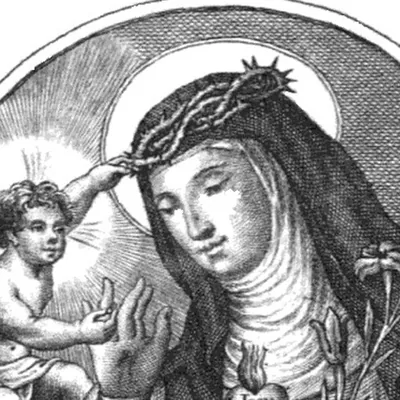
Blessed Catherine of Racconigi
Weaver and Dominican tertiary of Piedmont
Blessed Dina Bélanger
Pianist and mystic of Jesus and Mary
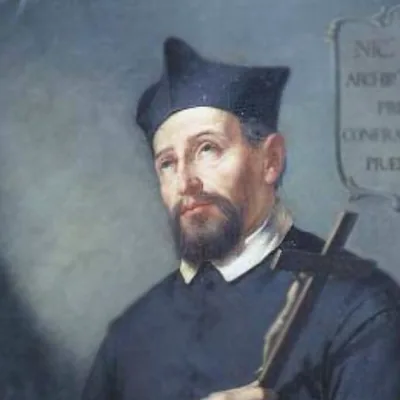
Blessed Nicolò Rusca
Archpriest of Sondrio, martyr of the Valtellina
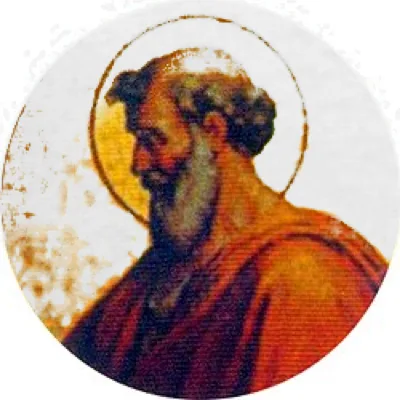
Saint Boniface I
Pope, friend of Saint Augustine
Saint Mac Nissi of Connor
First bishop of Connor
Saint Marcellus of Chalon
Martyr of Chalon-sur-Saône
Saint Ultan of Ardbraccan
Bishop of Ardbraccan, father of orphans
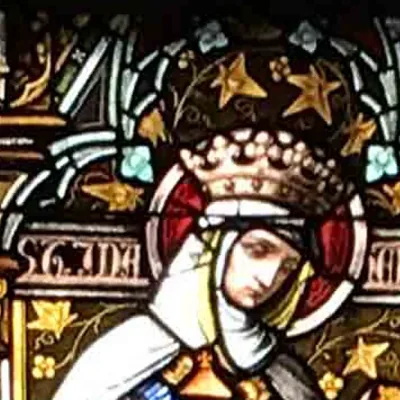
Saint Ida of Herzfeld
Countess, first saint of Westphalia
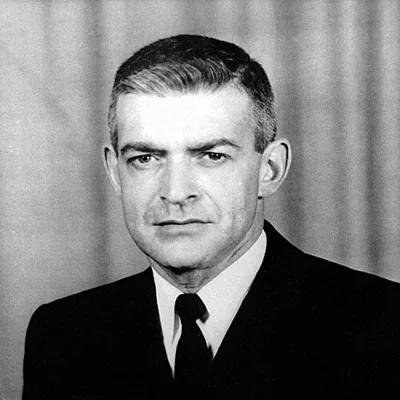
Servant of God Vincent Capodanno
Marine chaplain, the “Grunt Padre”
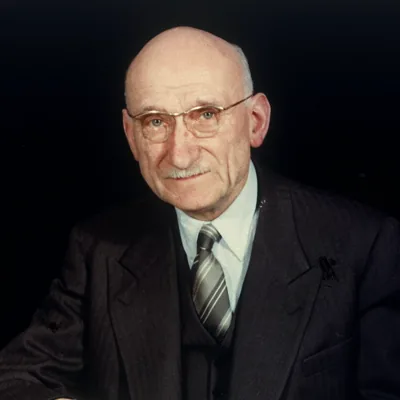
Venerable Robert Schuman
Statesman, “father of Europe”
In the same region
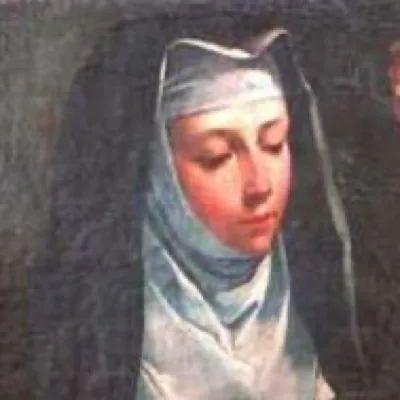
Blessed Angelina of Marsciano
Foundress of the Franciscan Sisters of the Third Order Regular
Blessed Anna Rosa Gattorno
Widow, foundress of the Daughters of St Anne
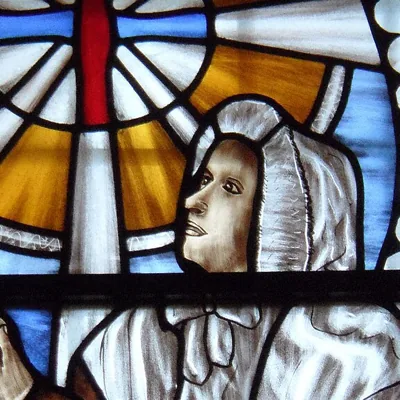
Blessed Anna Maria Taigi
Mother of a family and Roman mystic