
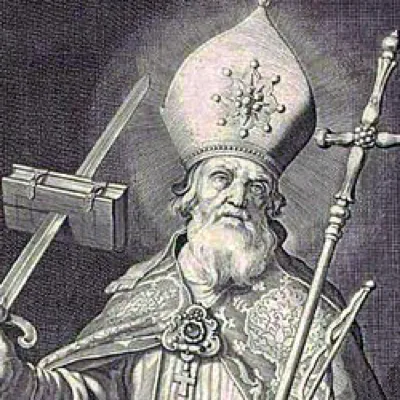
An Anglo-Saxon monk who became the evangeliser of Hesse and Thuringia, organiser of the Frankish Church and Archbishop of Mainz, martyred in Frisia and buried at Fulda.
Born around 673 in Wessex under the name Winfrid, a monk at Exeter and then at Nursling, he first failed in his attempt to evangelise Frisia. In 719 Pope Gregory II gave him the name Boniface and sent him to Germany; consecrated bishop on 30 November 722, he felled around 723 the oak of Donar at Geismar, in Hesse, and made a chapel from its wood. He founded monasteries, among them Fritzlar and Fulda, entrusted to his disciple Sturm, and called monks and nuns from England, such as Leoba.
A papal legate, he organised the dioceses of Bavaria, Hesse and Thuringia, reformed the Frankish clergy at several councils and received the see of Mainz. At nearly eighty he set out again for Frisia: on 5 June 754 he was massacred near Dokkum with some fifty companions. His body rests at Fulda, where the bishops of Germany meet every year at his tomb.
Explore the 32 moments of their life →
Let us not be dumb dogs, silent watchmen, hirelings who flee before the wolf.
Celebrated on the same day
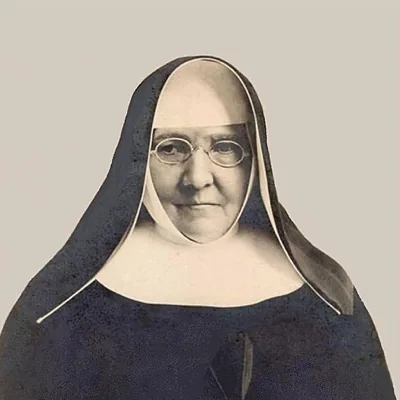
Blessed Małgorzata Szewczyk
Foundress of the Seraphic Sisters, mother of the poor
Saint Dorotheus of Tyre
Bishop, martyr at the age of one hundred and seven
Saints Eoban, Adalar and Companions
Bishops martyred with Saint Boniface
In the same region

Blessed Anne Catherine Emmerich
The stigmatic of Dülmen
Blessed Blandine Merten
Ursuline, schoolteacher of the Saarland and Trier
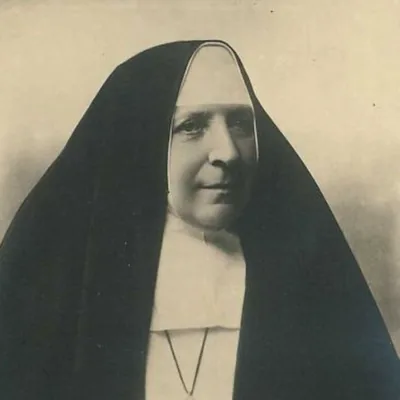
Blessed Clara Fey
Foundress of the Sisters of the Poor Child Jesus