
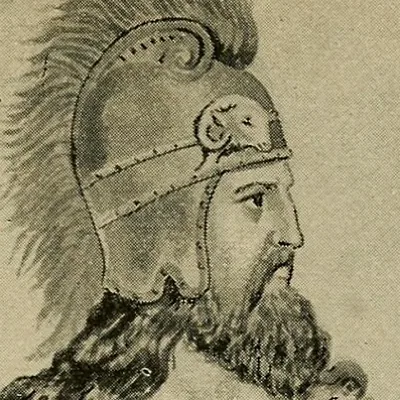
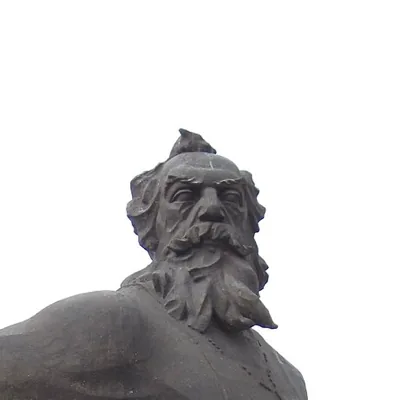
Commander-in-chief of the Armenians, he led the uprising against the Zoroastrianism imposed by Persia and fell at Avarayr in 451 with 1,036 companions, venerated as martyrs.
Grandson through his mother of the Catholicos Sahak the Great, Vardan was trained at Vagharshapat, in the school of Sahak and Mesrop Mashtots. Head of the powerful Mamikonian house, he held the hereditary office of sparapet, commander-in-chief of the armies of Armenia, which had become a province of the Persian Empire in 428. In 449 the Sasanian king Yazdegerd II wished to impose Zoroastrianism on the Armenians; summoned to Ctesiphon, the great men of the country were forced to apostatise.
Having returned to Armenia, Vardan and most of the princes repudiated this forced conversion and took the lead of the popular uprising. On 26 May 451 — 2 June according to other historians — on the plain of Avarayr, south-east of present-day Maku, the Armenian army faced the Persian forces supported by war elephants; abandoned by part of the nobility, Vardan fell there with 1,036 companions. The defeat became a victory of faith: in 484 the Treaty of Nvarsak recognised the Armenians’ freedom of worship. The historians Yeghishe and Ghazar Parpetsi made Vardan the national hero of Armenia.
Celebrated on the same day
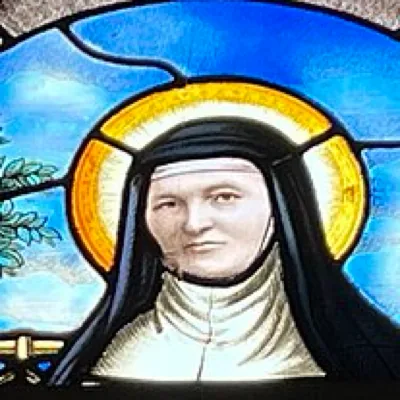
Blessed Humbeline
Sister of Saint Bernard, prioress of Jully
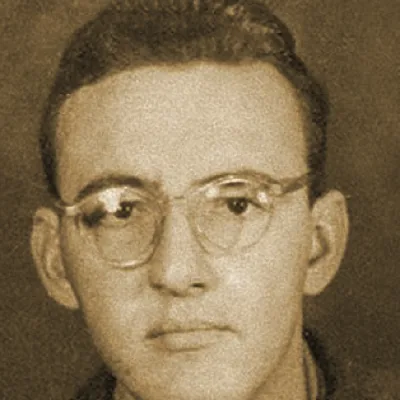
Blessed Ján Havlík
Vincentian seminarian, “martyr of fidelity”
Saint Anthony Cauleas
Bishop of Constantinople, peacemaker
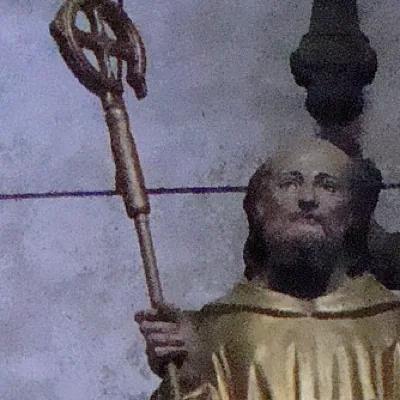
Saint Benedict of Aniane
Reformer of Carolingian monasticism
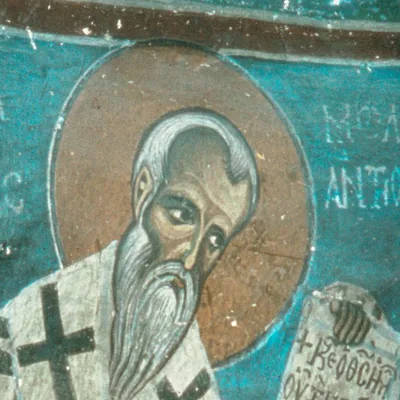
Saint Meletius of Antioch
Bishop of Antioch
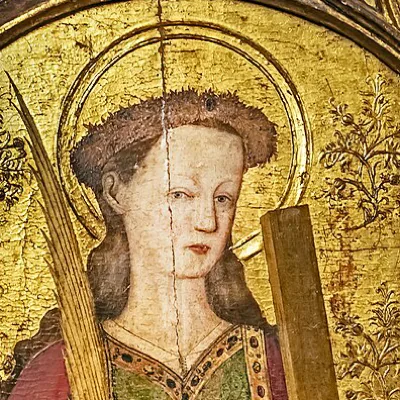
Saint Eulalia of Barcelona
Virgin and martyr, patroness of Barcelona
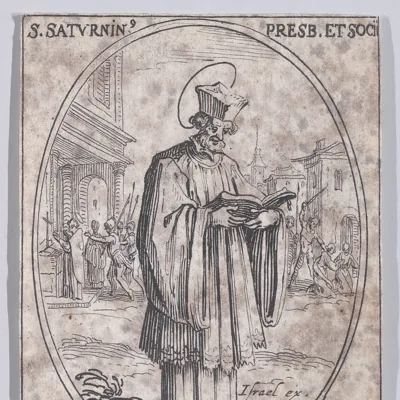
Holy Martyrs of Abitinae
Martyrs of the Sunday Eucharist
In the same region
Saint Barbashmin
Catholicos of Seleucia-Ctesiphon, martyr
Saint Benjamin
Deacon, martyr in Persia
Saint Ghevond and Companions
Priest martyrs of Nishapur (the Ghevondiank)