
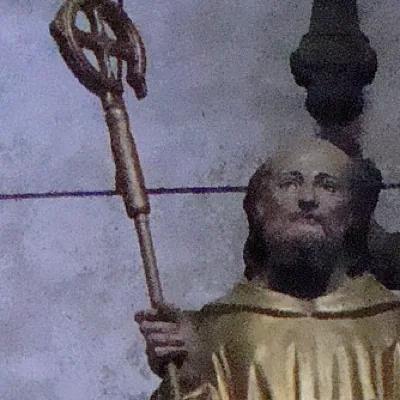
A former cupbearer at the Frankish court who became abbot of Aniane, he imposed with Louis the Pious the Rule of Saint Benedict on all the monasteries of the Empire, which earned him the name “second Benedict”.
Born around 750 in Septimania, the son of a Gothic count of Maguelone, Witiza was brought up at the court of Pepin the Short, where he became cupbearer, then served Charlemagne and took part in 773 in the expedition against the Lombards. Having nearly drowned near Pavia while trying to save his brother, he entered the abbey of Saint-Seine, in Burgundy, in 774 and took the name Benedict. Elected abbot around 780, he fled to his native land and lived as a hermit, then in 782 founded the abbey of Aniane, on the banks of the Hérault.
After experiments with a very rigorous asceticism, he strictly adopted the Rule of Saint Benedict of Nursia, on which he commented in his Concordance of Rules. Aniane soon numbered more than three hundred monks and sent out colonies throughout Aquitaine; with Louis, King of Aquitaine, Benedict reformed some twenty monasteries, among them Gellone, founded by his friend William. He also opposed the Adoptionism of Felix of Urgell, spread the Roman liturgy and helped to disseminate Carolingian minuscule script.
Once he became emperor in 814, Louis the Pious called him to his side and founded for him the monastery of Inden, today Kornelimünster, near Aachen, in Germany. There Benedict prepared the assemblies of Aachen of 816 and 817, which imposed the Benedictine rule and common customs on all the monasteries of the Empire; envoys were charged with overseeing their application. He died at Inden on 11 February 821; the Roman Martyrology commemorates him on 12 February.
Celebrated on the same day
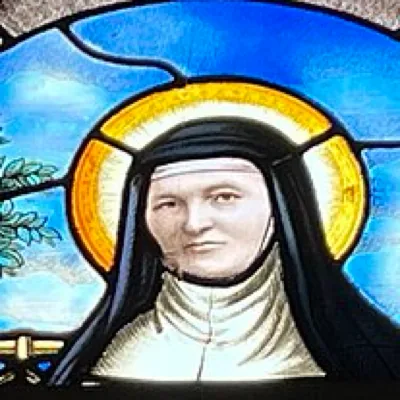
Blessed Humbeline
Sister of Saint Bernard, prioress of Jully
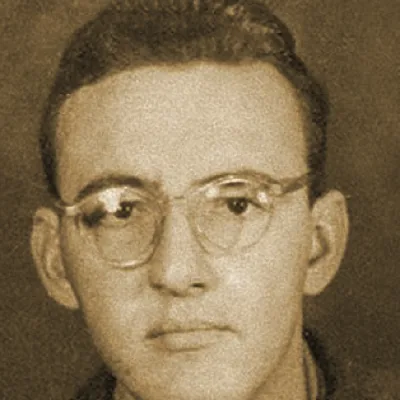
Blessed Ján Havlík
Vincentian seminarian, “martyr of fidelity”

Saint Anthony Cauleas
Bishop of Constantinople, peacemaker
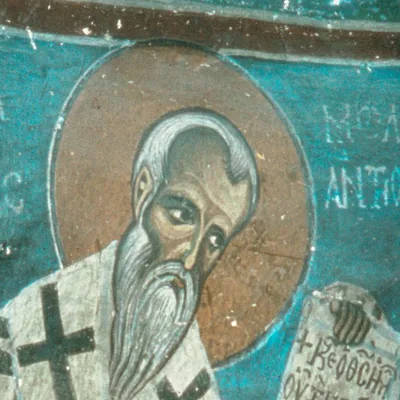
Saint Meletius of Antioch
Bishop of Antioch

Saint Vardan Mamikonian and Companions
Armenian commander-in-chief, martyr of Avarayr
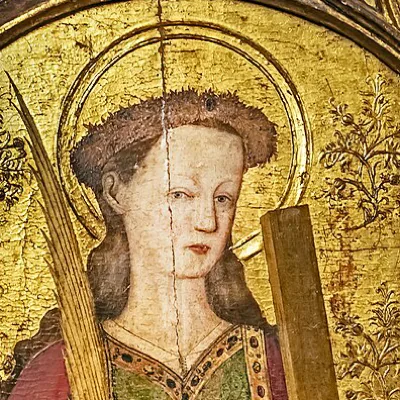
Saint Eulalia of Barcelona
Virgin and martyr, patroness of Barcelona
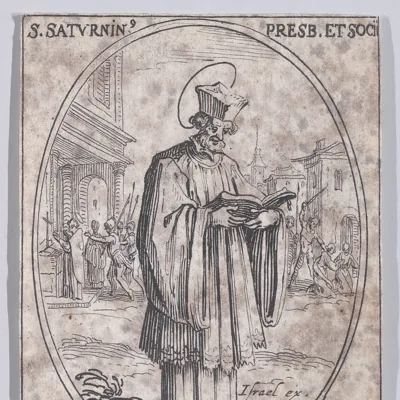
Holy Martyrs of Abitinae
Martyrs of the Sunday Eucharist
In the same region
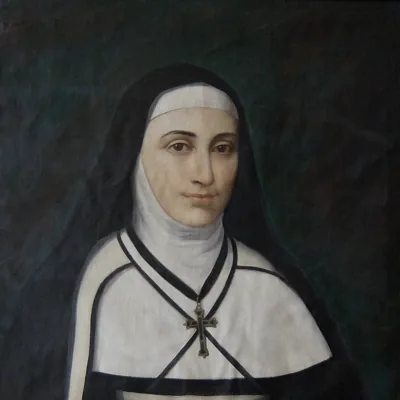
Blessed Adèle de Batz de Trenquelléon
Foundress of the Daughters of Mary Immaculate
Blessed Agnes of Langeac
Dominican mystic of the Velay
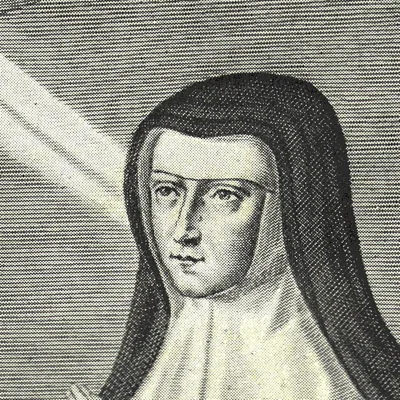
Blessed Alix Le Clerc
Foundress of the Congregation of Notre Dame