
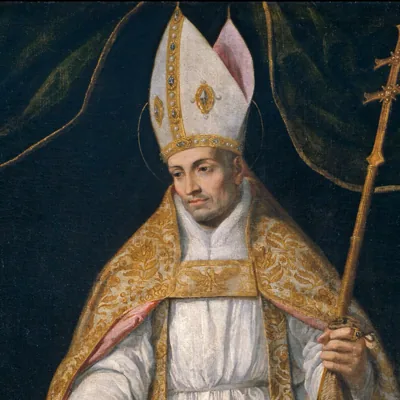
An Augustinian, preacher to Charles V and then Archbishop of Valencia, he devoted the revenues of his diocese to the poor, orphans and the sick, and reformed his clergy before the Council of Trent.
Tomás García Martínez was born in 1486 at Fuenllana and grew up at Villanueva de los Infantes, in La Mancha, with parents renowned for their almsgiving. A brilliant student at Alcalá, where he taught philosophy, he refused a chair at Salamanca in order to enter the Augustinians of that city in 1516. Prior, then provincial of Andalusia and of Castile, he sent the first Augustinian missionaries to Mexico and became a preacher to Charles V.
After refusing the archbishopric of Granada, he had to accept that of Valencia in 1544. He lived there in poverty, visited the parishes, reformed the clergy, founded a college for the sons of converted Moriscos and made his palace a refuge where hundreds of poor people received bread and help every day; he himself took in abandoned children.
Kept back by illness, he did not go to the Council of Trent but sent his bishops there with his counsel. He died on 8 September 1555 after having his last possessions distributed, down to his bed. His sermons earned him the nickname “the Spanish Saint Bernard”. Beatified in 1618, he was canonised by Alexander VII in 1658; his body rests in Valencia Cathedral.
Celebrated on the same day
Blessed Maria Angela Truszkowska
Foundress of the Felician Sisters
Blessed María Catalina Irigoyen
Servant of Mary, nurse of the sick of Madrid
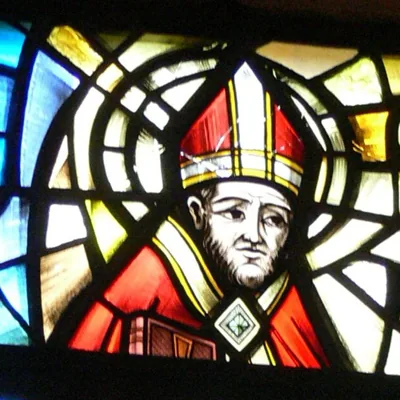
Saint Cerbonius of Populonia
Bishop of Populonia, spared by the bear of Totila
Saint Clarus of Nantes
First Bishop of Nantes
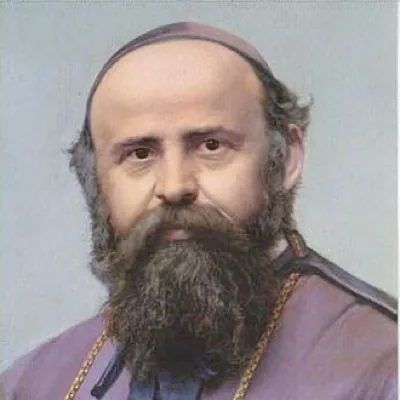
Saint Daniel Comboni
Missionary bishop, apostle of Central Africa
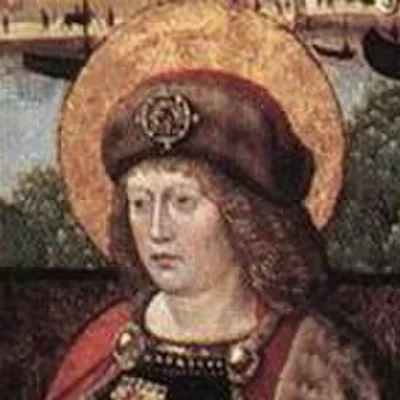
Saint Gereon of Cologne
Soldier and martyr of the Theban Legion
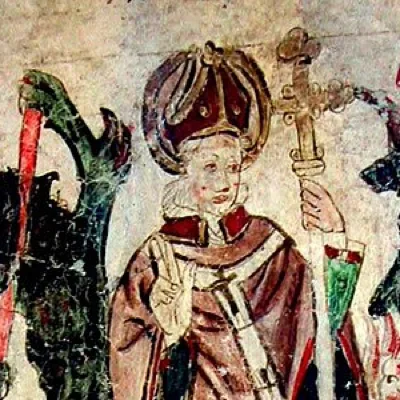
Saint John of Bridlington
Prior of the Augustinian canons of Bridlington

Saint Paulinus of York
First Bishop of York
Saint Pinytus of Knossos
Bishop of Knossos, ecclesiastical writer
Saint Victor of Xanten
Soldier and martyr
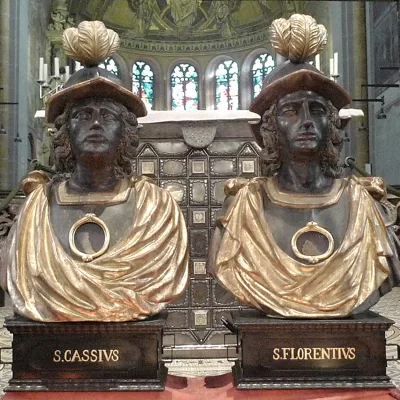
Saints Cassius and Florentius of Bonn
Soldier martyrs, patrons of Bonn
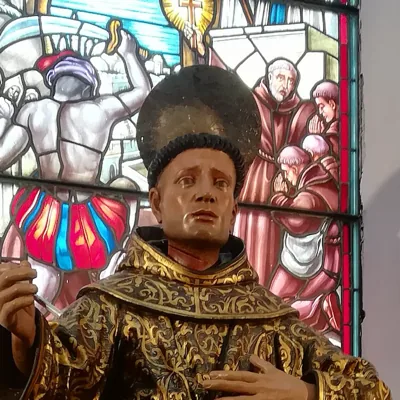
Saints Daniel and his Companions
Franciscan martyrs of Ceuta
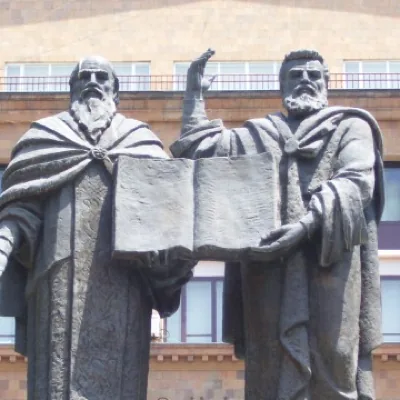
Holy Translators
The fathers of Armenian literature
In the same region
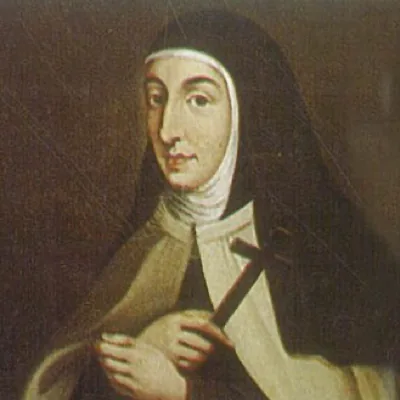
Blessed Anne of Jesus
Carmelite, heir of Teresa of Avila, foundress in France and Flanders
Blessed Ana María Janer
Foundress of the Sisters of the Holy Family of Urgell
Blessed Ana María Mogas
Foundress of the Franciscan Missionaries of the Mother of the Divine Shepherd