
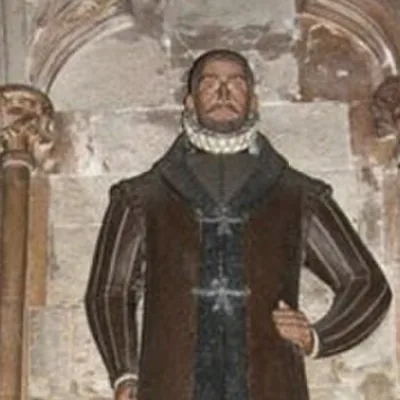
A gentleman of Hampshire, poet and musician, he arranged the passage of priests from one hiding place to another and was hanged in front of his own house in Gray’s Inn Lane, where a Mass had been surprised.
Born around 1536 at the manor of Brambridge, near Winchester, and baptised with the name of the local holy bishop, Swithun Wells was the youngest son of a wealthy Catholic family that sheltered priests and secretly buried the faithful. A man of letters, poet, musician and keen huntsman, he was tutor in the household of the Earl of Southampton, then for a long time schoolmaster at Monkton Farleigh, in Wiltshire. For a time a conformist, he was reconciled to the Church in 1583 and devoted himself to guiding priests from refuge to refuge.
Settled in London in 1585, he made his house in Gray’s Inn Lane a home of hospitality for Catholics. On 7 November 1591 the priest-hunter Richard Topcliffe surprised there Saint Edmund Gennings celebrating Mass: the faithful held the door until the end of the service. Absent that day, Swithun Wells was arrested on his return; at the trial he declared that he regretted not having been present. He was hanged in front of his house on 10 December 1591, the very day of Gennings’s execution. His wife, condemned with him, died in prison in 1602.
Celebrated on the same day
Blessed María Emilia Riquelme y Zayas
Foundress of the Missionaries of the Blessed Sacrament and Mary Immaculate
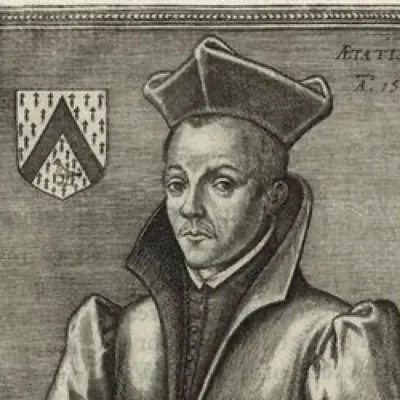
Saint Edmund Gennings
Priest and martyr of Gray's Inn
Saint Eustace White
Missionary priest, martyr
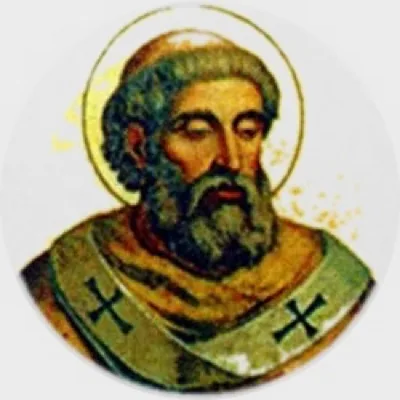
Saint Gregory III
Pope, defender of the holy images
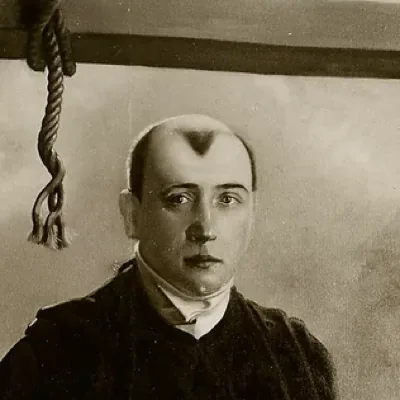
Saint John Roberts
Welsh Benedictine, first prior of St Gregory's at Douai
Saint Polydore Plasden
Priest, martyr of Tyburn
Saint Thomas of Farfa
Abbot, restorer of Farfa
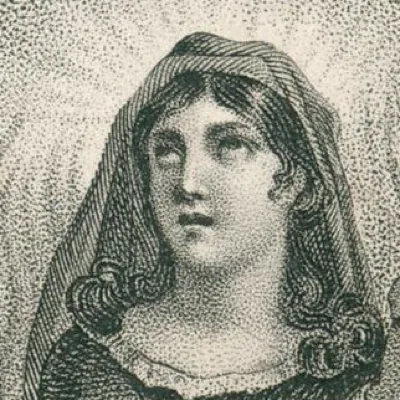
Saint Eulalia of Mérida
Virgin and martyr
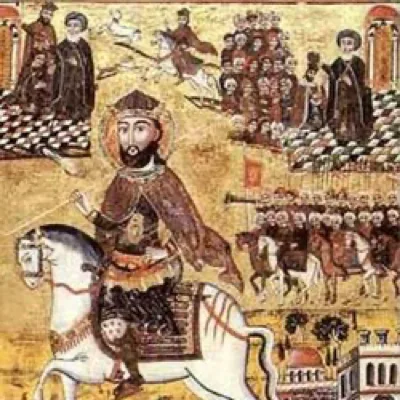
Saints Behnam and Sarah
Brother and sister, martyrs of the Nineveh plain
In the same region
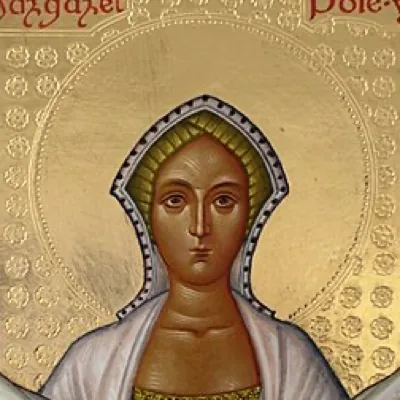
Blessed Margaret Pole
Countess of Salisbury, martyr
Blessed Adrian Fortescue
Knight of Malta, Dominican tertiary, martyr
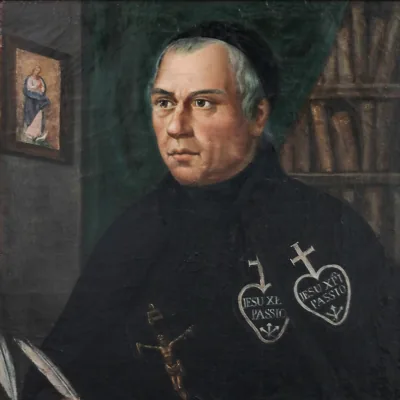
Blessed Dominic Barberi
Passionist, apostle of England