
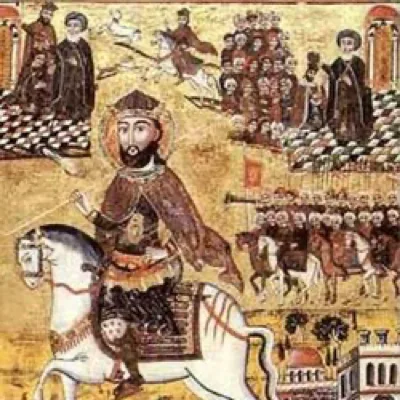
According to Syriac tradition, an Assyrian prince and his sister converted by the hermit Mattai and put to death on their father’s orders; the monastery raised over their tomb is a major Christian site of the Nineveh plain.
Their story is known only from a Syriac Life whose oldest manuscript dates from 1197 and which takes up older traditions. Behnam is said to be the son of a king of Nimrud, a vassal of Shapur II, whom the legend calls Sennacherib. Lost while hunting, he was led by an angel to the hermit Mattai, who lived in a cave on Mount Alfaf; as proof of the faith he proclaimed, Mattai healed of leprosy Sarah, the prince’s sister. The brother, the sister and forty servants received baptism.
Their father, furious, had them put to death; struck with madness, he was healed only after he had himself converted and, it is said, had the monastery of Mar Mattai built. On the place of the martyrdom rose the monastery of Mar Behnam, near Qaraqosh, entrusted since the nineteenth century to the Syriac Catholics. Occupied by the Islamic State, which blew up the saints’ tomb in March 2015, it was liberated in November 2016 and restored in 2018.
Celebrated on the same day
Blessed María Emilia Riquelme y Zayas
Foundress of the Missionaries of the Blessed Sacrament and Mary Immaculate
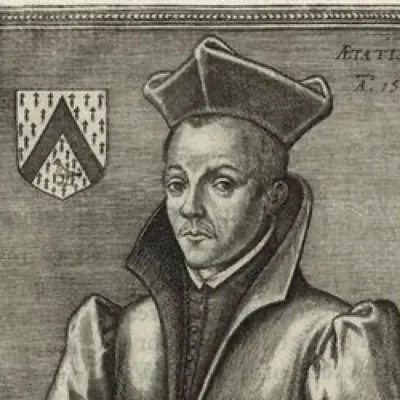
Saint Edmund Gennings
Priest and martyr of Gray's Inn
Saint Eustace White
Missionary priest, martyr
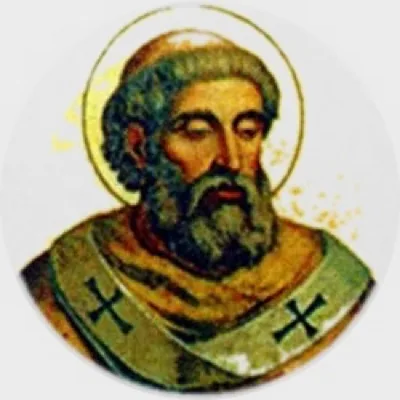
Saint Gregory III
Pope, defender of the holy images
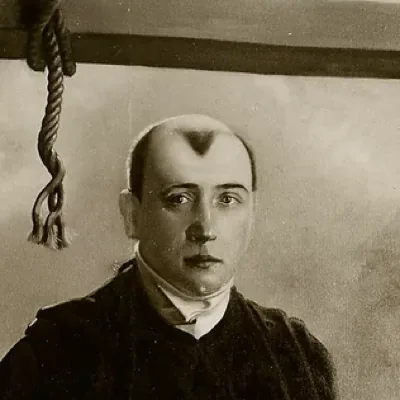
Saint John Roberts
Welsh Benedictine, first prior of St Gregory's at Douai
Saint Polydore Plasden
Priest, martyr of Tyburn
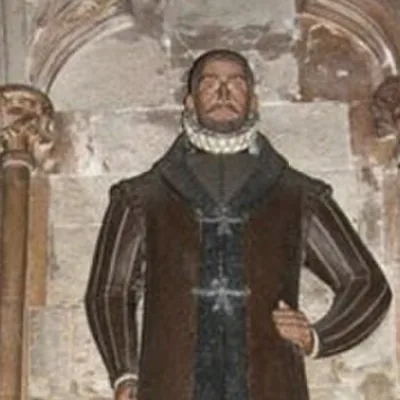
Saint Swithun Wells
Gentleman and schoolmaster, martyr
Saint Thomas of Farfa
Abbot, restorer of Farfa
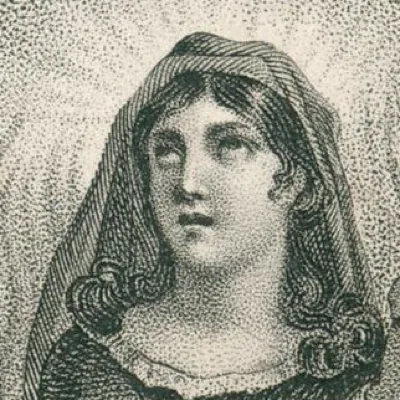
Saint Eulalia of Mérida
Virgin and martyr
In the same region
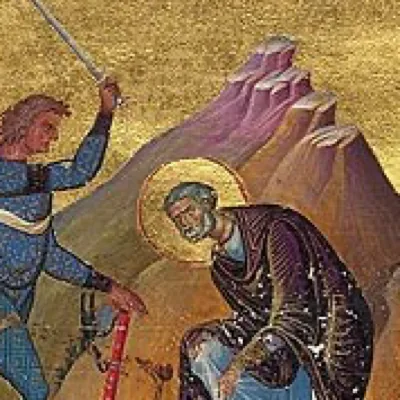
Saint Abraham of Arbela
Bishop, martyr of Persia
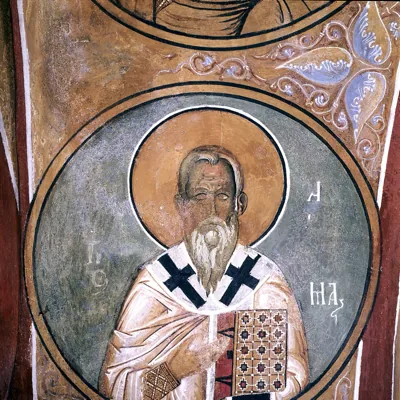
Saint Acepsimas and Companions
Bishop, martyrs of Persia at Arbela
Saint Ananias of Arbela
Martyr of Persia