
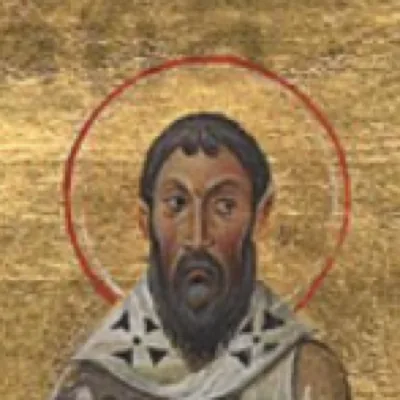
Sophronius Hierosolymitanus
Saint Sophronius of Jerusalem
Patriarch of Jerusalem, defender of the two wills of Christ
A monk from Damascus, companion of John Moschus and patriarch of Jerusalem at the time of the Arab conquest, he fought Monotheletism and surrendered the Holy City to the caliph Omar.
Born at Damascus around 560 and trained as a rhetorician, Sophronius became a monk in Palestine, at the monastery of Saint Theodosius. With his master and friend John Moschus he travelled the deserts of Egypt, Palestine and Syria, gathering the sayings of the monks that Moschus set down in the Spiritual Meadow. Fleeing the Persian invasion of 614, they reached Alexandria and then Rome, where Moschus died; Sophronius brought his body back to Jerusalem.
Elected patriarch in 634, he published a synodical letter which affirmed, against the Monoenergism favoured by the emperor Heraclius, that Christ acts according to his two natures, divine and human: Saint Maximus the Confessor and the Third Council of Constantinople (681) would follow this path. On Christmas Day 634 he preached in Jerusalem, since the Arabs held the road to Bethlehem. After a long siege he negotiated in 638 the surrender of the city to the caliph Omar and died soon afterwards. He is credited with the Life of Saint Mary of Egypt and with Anacreontic poems.
Celebrated on the same day
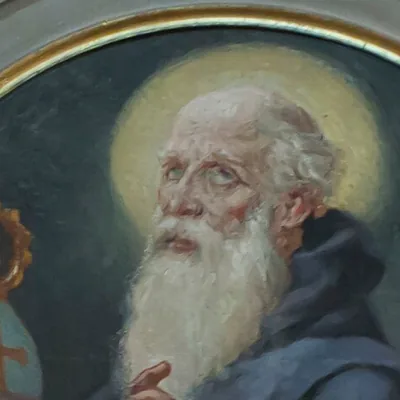
Saint Benedict of Milan
Archbishop of Milan for forty-five years
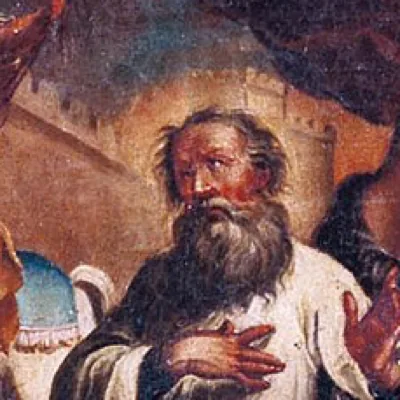
Saint Eulogius of Córdoba
Priest, chronicler and martyr of the Mozarabs
Saint Óengus the Culdee
Monk of Tallaght, author of the Félire
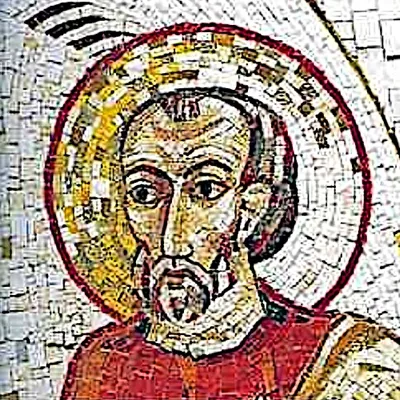
Saint Pionius of Smyrna
Priest and martyr
Saint Oria of San Millán
Recluse of San Millán de Suso
In the same region
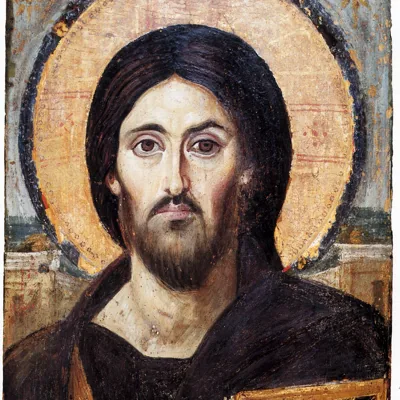
Jesus Christ
The Holy of Holies, the Word made flesh
The Fifty Martyrs of Eleutheropolis
Soldiers of Gaza, martyrs of the Arab conquest
The Franciscan Martyrs of Jerusalem
Friars of the Custody of the Holy Land, martyrs in 1391