
A monk of the monastery of Tallaght and disciple of Saint Maelruain, he composed the Félire Óengusso, the first martyrology in verse written in a vernacular language.
Óengus mac Óengobann belonged to the movement of the Céli Dé, the ‘servants of God’, whence his nickname the Culdee. A preface added later to his work has him born near Clonenagh, in the present County Laois, and trained in the school of Saint Fintan; it also relates that he hid his learning by working as a simple servant at Tallaght until Saint Maelruain recognised him. He himself says only that he is ‘a poor man’ and calls Maelruain his foster father.
At the beginning of the ninth century he composed the Félire Óengusso, a calendar in Old Irish of 365 quatrains, one for each day of the year, framed by a long prologue and an epilogue. In it he celebrates the saints of the universal Church and those of Ireland; it is the oldest martyrology in verse written in a vernacular language, and a major source for our knowledge of the Irish saints. In his prologue he contrasts the deserted royal fortresses of Tara or Emain Macha with the great Christian monasteries that prosper.
The Roman Martyrology commemorates him on 11 March as the monk ‘who carefully composed the catalogue of the saints of Ireland’. He died around 824; tradition says he was buried at Clonenagh.
Celebrated on the same day
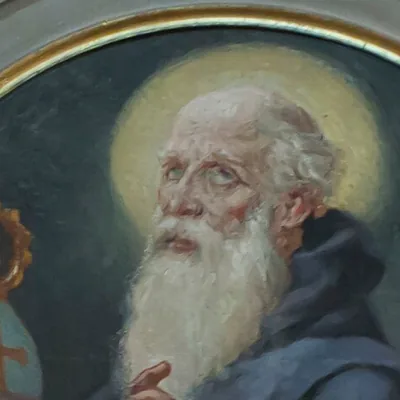
Saint Benedict of Milan
Archbishop of Milan for forty-five years
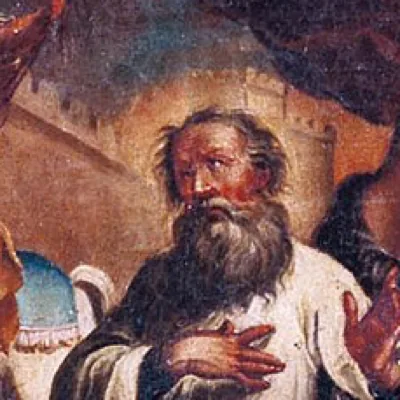
Saint Eulogius of Córdoba
Priest, chronicler and martyr of the Mozarabs
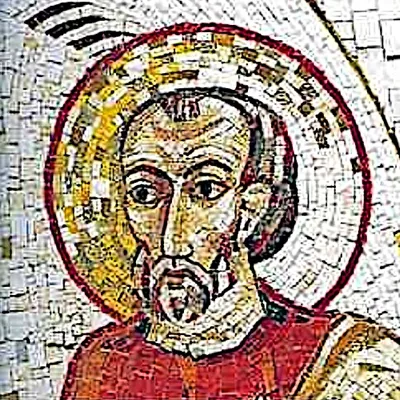
Saint Pionius of Smyrna
Priest and martyr
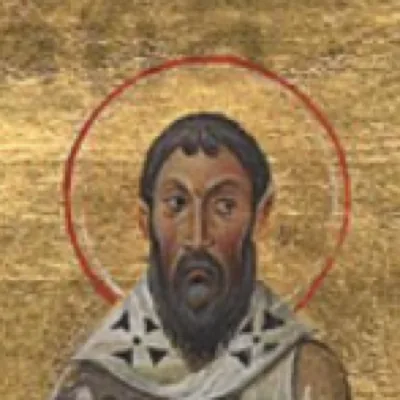
Saint Sophronius of Jerusalem
Patriarch of Jerusalem, defender of the two wills of Christ
Saint Oria of San Millán
Recluse of San Millán de Suso
In the same region
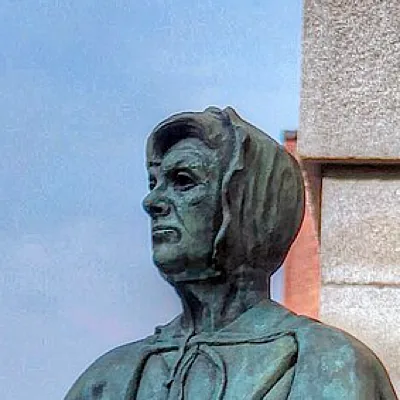
Blessed Margaret Ball
Former Lady Mayoress of Dublin, who died in prison
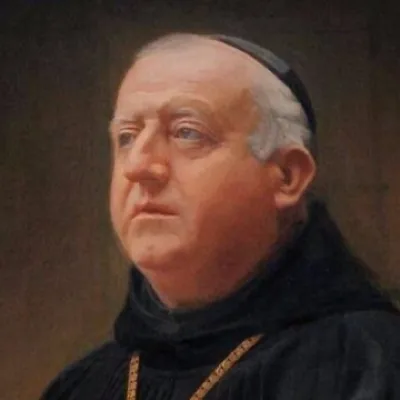
Blessed Columba Marmion
Abbot of Maredsous, spiritual master
Blessed Dermot O’Hurley
Archbishop of Cashel, martyr