
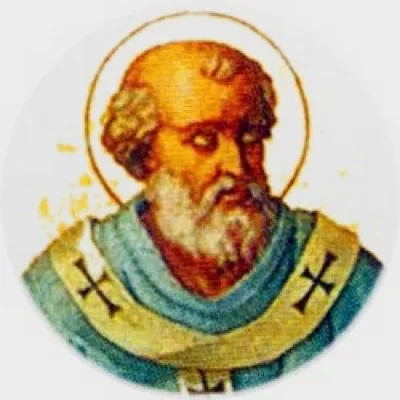
Born in Palermo into a Syrian family, he rejected the canons of the Council in Trullo imposed by Justinian II, encouraged the mission to the Frisians and enriched the Roman liturgy with the Agnus Dei and Marian processions.
Born around 650 in Palermo into a family from Antioch, Sergius came to Rome as a young man, where he was trained in the schola cantorum before being made priest of the title of Santa Susanna. In 687 two candidates contested the See of Peter; the clergy, the administration and the army of Rome then agreed on his name, and he was consecrated on 15 December.
In 692 he refused to sign the canons of the Council in Trullo, convened by the emperor Justinian II, several of which contradicted the usages of the Roman Church. The emperor sent an officer to arrest him and take him to Constantinople, but the militias of Ravenna and the Pentapolis hurried to defend him, and the imperial envoy had to take refuge under the pope’s bed to escape the crowd. In 689 Sergius baptised King Caedwalla of Wessex, who had come on pilgrimage to Rome, and in 695 he consecrated Saint Willibrord archbishop of the Frisians.
He introduced into the Mass the singing of the Agnus Dei during the breaking of the bread and ordered processions for the feasts of the Annunciation, the Dormition, the Nativity of Mary and the Purification. He died on 8 September 701 and was buried at Saint Peter’s; the Roman Martyrology commemorates him on that day.
Celebrated on the same day
Blessed Apolonia Lizárraga
Superior general of the Carmelites of Charity, martyr
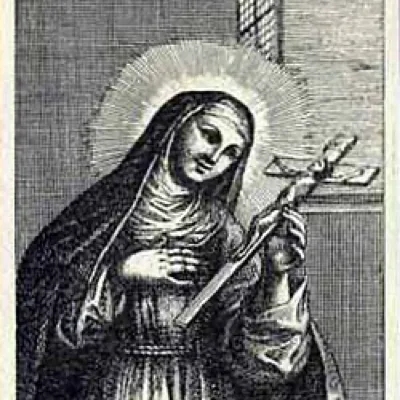
Blessed Seraphina Sforza
Repudiated lady of Pesaro turned Poor Clare
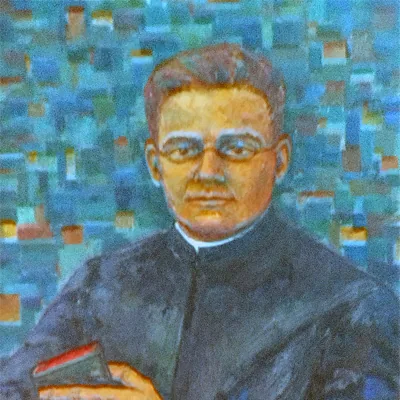
Blessed Francis Mary of the Cross Jordan
Founder of the Salvatorians
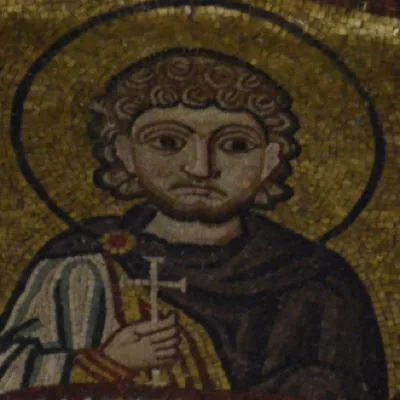
Saint Adrian of Nicomedia
Officer and martyr
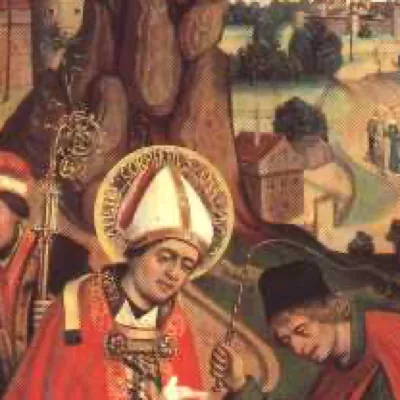
Saint Corbinian of Freising
First Bishop of Freising
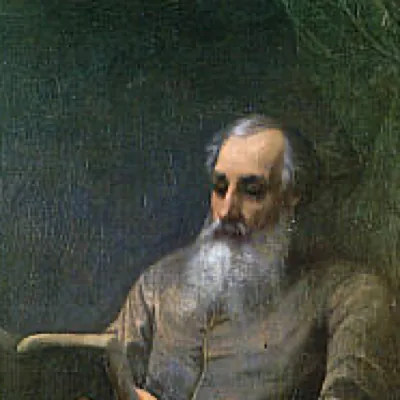
Saint Sahak the Great
Catholicos of the Armenians, father of the Armenian Bible
In the same region
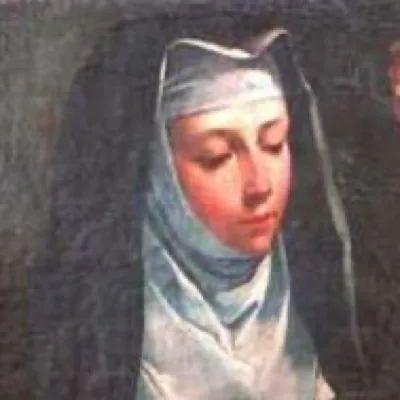
Blessed Angelina of Marsciano
Foundress of the Franciscan Sisters of the Third Order Regular
Blessed Anna Rosa Gattorno
Widow, foundress of the Daughters of St Anne
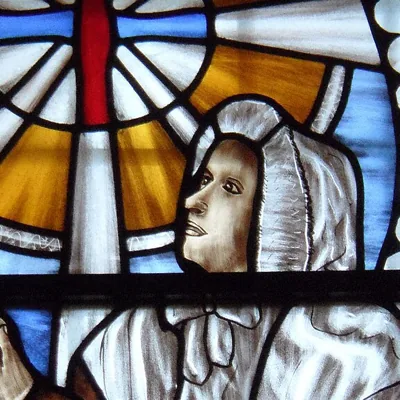
Blessed Anna Maria Taigi
Mother of a family and Roman mystic