
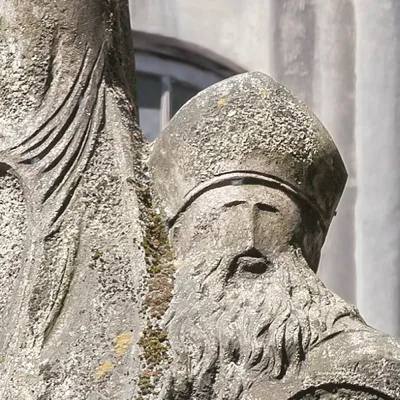
A Galician bishop of the tenth century, defender of his country against Norman and Muslim raids, he founded the abbey of Celanova, where he ended his life as a monk and then abbot.
Born in 907 into a powerful family of the Galician nobility, Rudesind (Rosendo) was elected very young bishop of Mondoñedo, the see heir to the ancient bishopric of Dumio. He also administered the Church of Compostela during the troubles that followed the deposition of Bishop Sisnand, and organised the defence of Galicia against Norman and Muslim incursions.
In 936 he founded on his lands the Benedictine monastery of Celanova, which he endowed richly and which became one of the great centres of Galician monastic life. He gave up his episcopal office there, took the habit, then became abbot, and worked to restore other monasteries of the region.
He died on 1 March 977 at Celanova, where his relics are venerated. Pope Celestine III canonised him in 1195, and the Roman Martyrology commemorates him on 1 March.
Celebrated on the same day
Blessed Joan Mary Bonomo
Stigmatised Benedictine of Bassano
Saint Albinus of Angers
Bishop of Angers
Saint David
Bishop of Menevia, patron of Wales
Saint Felix III
Pope, ancestor of Gregory the Great
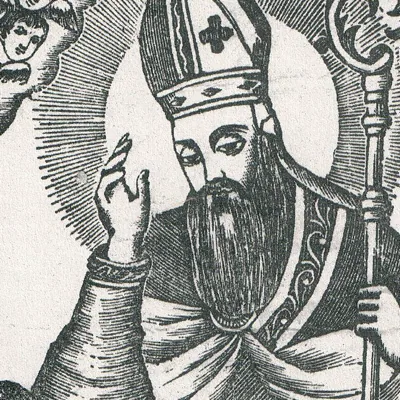
Saint Leoluca of Corleone
Italo-Greek abbot, patron of Corleone and Vibo Valentia
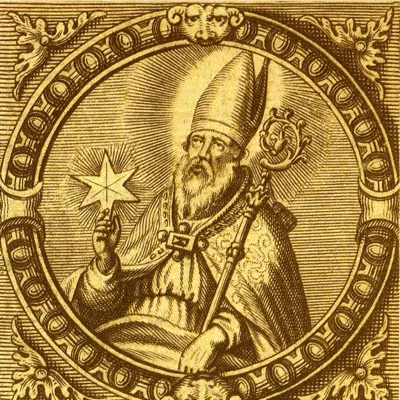
Saint Suitbert
Missionary bishop, apostle of the Lower Rhine
Venerable Octavio Ortiz Arrieta
Bishop of Chachapoyas
In the same region
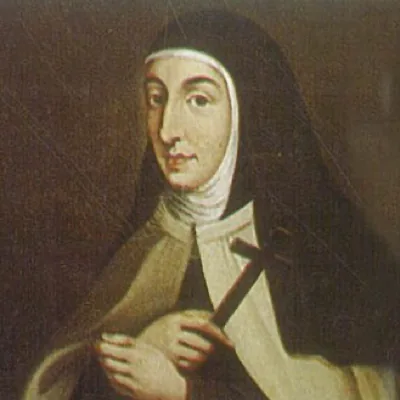
Blessed Anne of Jesus
Carmelite, heir of Teresa of Avila, foundress in France and Flanders
Blessed Ana María Janer
Foundress of the Sisters of the Holy Family of Urgell
Blessed Ana María Mogas
Foundress of the Franciscan Missionaries of the Mother of the Divine Shepherd