
A monk and then abbot of Tincillac, bishop of Angers from 529, he fought the incestuous marriages of the great and helped prisoners; his Life was written by Venantius Fortunatus.
Born around 469 into a Breton family settled in Armorica, probably in the Vannes region, Albinus entered the monastery of Tincillac young and became its abbot in 504. His reputation for holiness had him elected bishop of Angers in 529, by acclamation of the people and despite his reluctance. His Life, written a few decades after his death by Venantius Fortunatus, shows him of great austerity and untiring charity towards the poor, the sick and prisoners.
As bishop he visited the prisons; his Life relates that he paid the debts of a woman in prison to have her released. He vigorously denounced incestuous unions, frequent in the Frankish aristocracy, and the Roman Martyrology presents him as a promoter of the Third Council of Orléans (538), which legislated against such marriages, even if some bishops judged his rigour excessive. Fortunatus attributes to him many miracles, healings and deliverances of the possessed.
He died at Angers on 1 March 550, after some twenty years as bishop. Over his tomb rose the abbey of Saint-Aubin, one of the most important in Anjou, of which the Tour Saint-Aubin survives. His cult spread throughout the West, where many places bear his name, such as Saint-Aubin-du-Cormier. At Guérande, of which he is the patron, tradition relates that he appeared as a white horseman to put the Normans to flight in the tenth century. He is also invoked for the illnesses of children.
Celebrated on the same day
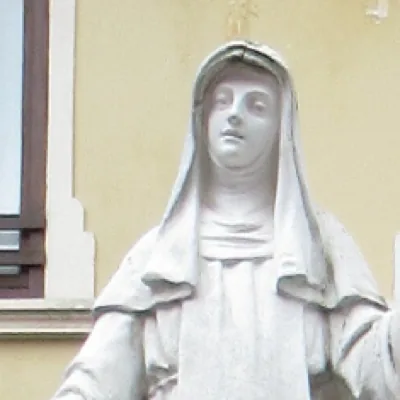
Blessed Joan Mary Bonomo
Stigmatised Benedictine of Bassano
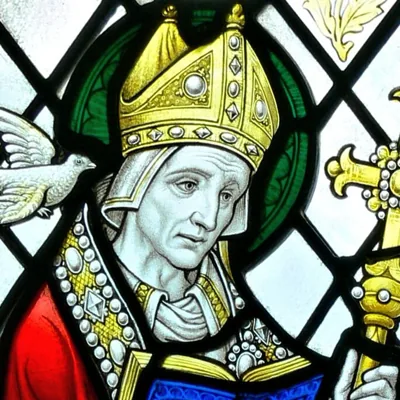
Saint David
Bishop of Menevia, patron of Wales
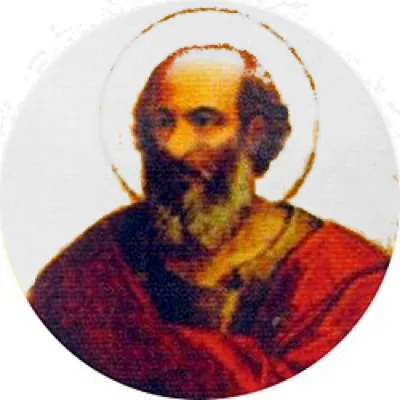
Saint Felix III
Pope, ancestor of Gregory the Great
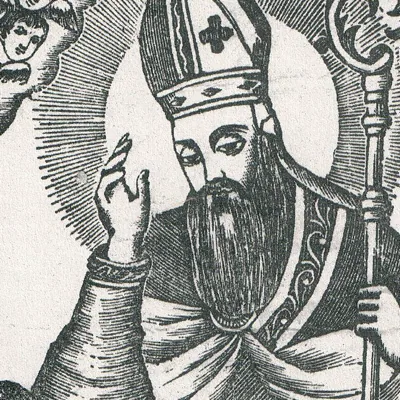
Saint Leoluca of Corleone
Italo-Greek abbot, patron of Corleone and Vibo Valentia
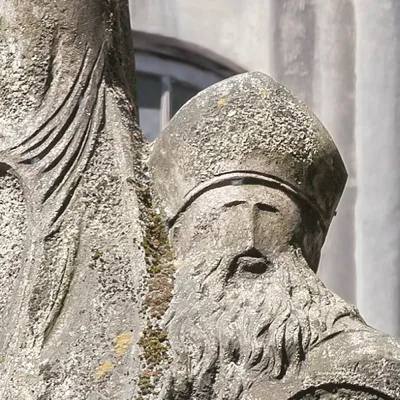
Saint Rudesind of Celanova
Bishop of Mondoñedo, abbot of Celanova
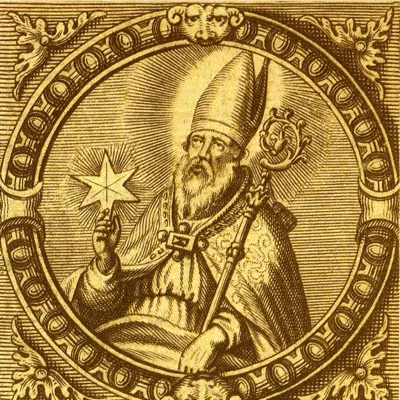
Saint Suitbert
Missionary bishop, apostle of the Lower Rhine
Venerable Octavio Ortiz Arrieta
Bishop of Chachapoyas
In the same region
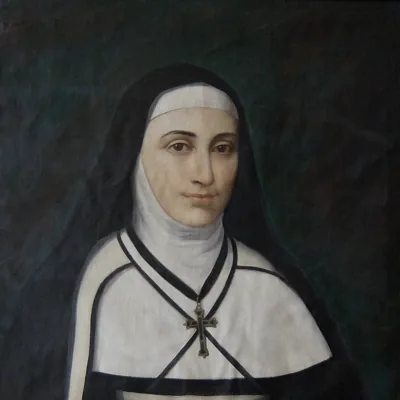
Blessed Adèle de Batz de Trenquelléon
Foundress of the Daughters of Mary Immaculate
Blessed Agnes of Langeac
Dominican mystic of the Velay
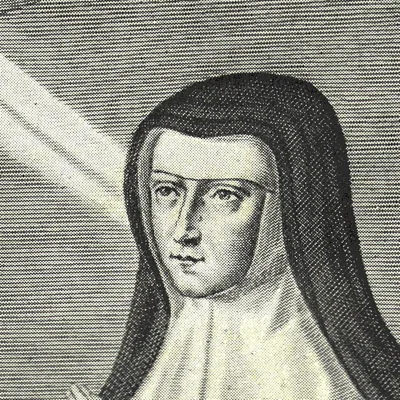
Blessed Alix Le Clerc
Foundress of the Congregation of Notre Dame