
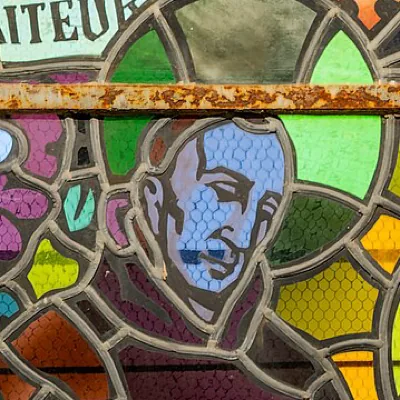
A notable of Ponthieu converted by monks come from the British Isles, he founded the monastery of Centula, which became Saint-Riquier, and ended his life as a hermit in the forest of Crécy.
Born a pagan in Ponthieu at the end of the sixth century, Riquier welcomed, according to his Life, two missionaries from the British Isles, Caidoc and Fricor, whom the population was ill-treating; touched by their preaching, he was converted. From then on he led an austere life, tended lepers, received the priesthood and set out to preach, as far as Britain according to his biographer, riding a donkey and reciting the psalter on the way. He fasted severely, feeding, it is said, only on barley bread mixed with ashes and on water.
Back in his own country, he founded at Centula a monastery following the rule of Saint Columbanus; King Dagobert, whom he dared to rebuke frankly, became its benefactor, and Riquier used the gifts received to help the poor and ransom captives. In his last years he withdrew as a hermit to the forest of Crécy, at the place that would become Forest-Montiers, with his disciple Sigobard. He died there in 645, according to the Roman Martyrology, after bidding farewell to his disciple.
His body was brought back to Centula, which took his name: the abbey of Saint-Riquier became under Abbot Angilbert, a close friend of Charlemagne, one of the great Carolingian monasteries. Charlemagne, who came there to celebrate Easter, had a golden shrine made for his relics. His Life, written at the end of the seventh century, was reworked around 800 by Alcuin at Angilbert's request. His relics, taken in the tenth century to Montreuil and then to Saint-Bertin, were returned to the abbey by Hugh Capet.
Celebrated on the same day
Blessed Dominic and Gregory
Dominican itinerant preachers
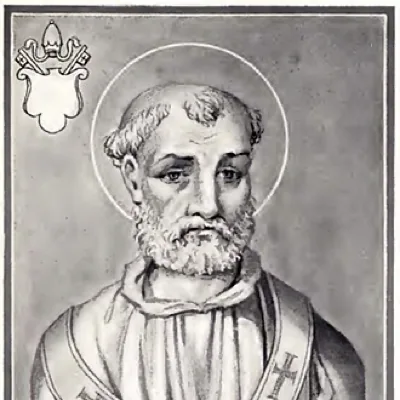
Saint Anacletus
Pope, second successor of Peter
Saint Basileus of Amasea
Bishop and martyr
Saint Stephen of Perm
Bishop of Perm, apostle of the Komi
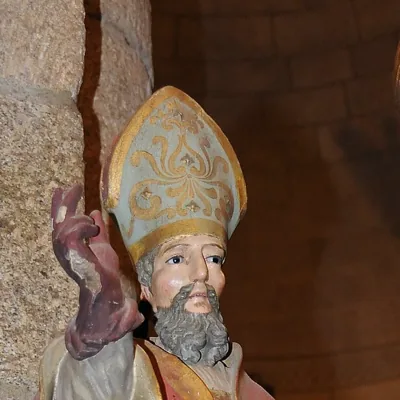
Saint Peter of Rates
First Bishop of Braga according to tradition
Saint Rafael Arnáiz Barón
Trappist oblate of San Isidro de Dueñas
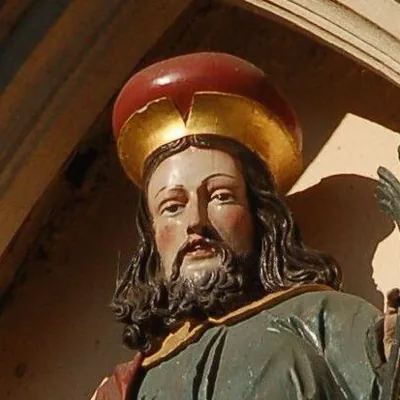
Saint Trudpert
Hermit and martyr of the Black Forest
In the same region
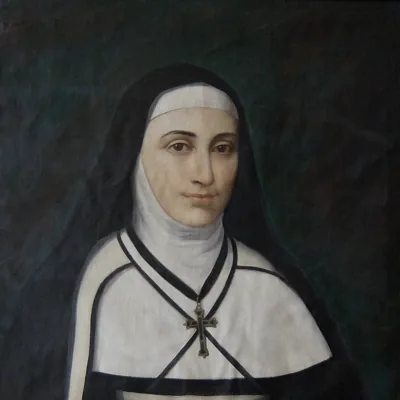
Blessed Adèle de Batz de Trenquelléon
Foundress of the Daughters of Mary Immaculate
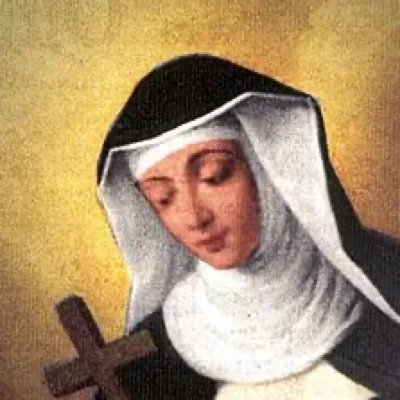
Blessed Agnes of Langeac
Dominican mystic of the Velay
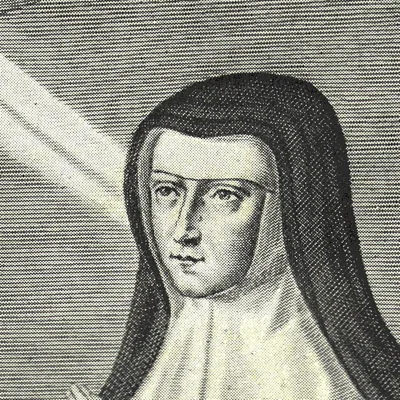
Blessed Alix Le Clerc
Foundress of the Congregation of Notre Dame