
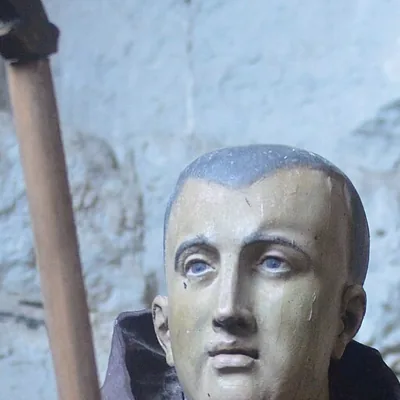
Abbot of Rebais and then founder of Jumièges, exiled for having stood up to the mayor of the palace Ebroin, he founded Noirmoutier; his relics have rested at Tournus since the ninth century.
Born around 616 at Eauze, in Gascony, the only son of a magistrate of Aire-sur-l’Adour who later became a bishop, Philibert was placed at the court of Dagobert I, where he became friends with Ouen and Wandrille. At about twenty, he became a monk at Rebais, the abbey founded by his friend, and became its abbot in 650. Disagreements over the strictness of the rule led him to visit the monasteries of Luxeuil and Bobbio to compare their observances.
In 654, thanks to Queen Bathilde, Clovis II gave him an estate on the Seine where he founded the abbey of Jumièges, under a rule inspired by Saint Columbanus and Saint Benedict. He also founded the women’s monastery of Pavilly. Having reproached Ebroin for the murder of Saint Leodegar of Autun, he was briefly imprisoned by Ouen and had to leave Neustria. Welcomed by Bishop Ansoald of Poitiers, he founded around 676 a monastery on the island of Her, present-day Noirmoutier.
Reconciled with Ouen after the fall of Ebroin, he entrusted Jumièges to Achard and returned to die at Noirmoutier on 20 August, around 684; some sources give 685. Fleeing the Normans, his monks carried his body in 836 to Saint-Philbert-de-Grand-Lieu, where his sarcophagus can still be seen, then, after forty years of wandering, to Tournus, in Burgundy. His relics are kept there in the abbey church of Saint-Philibert.
Celebrated on the same day
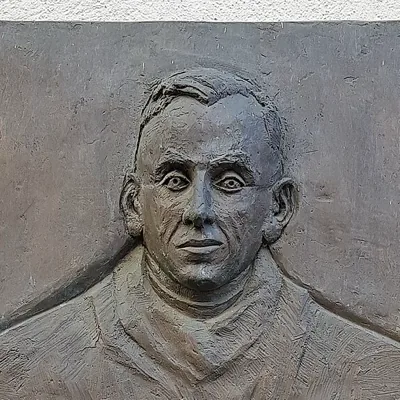
Blessed Georg Häfner
Parish priest of Oberschwarzach, martyr of Dachau
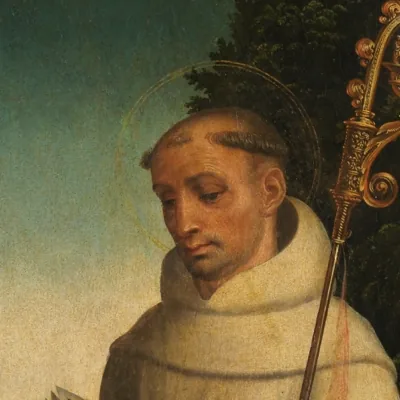
Saint Bernard of Clairvaux
Abbot of Clairvaux, Doctor of the Church
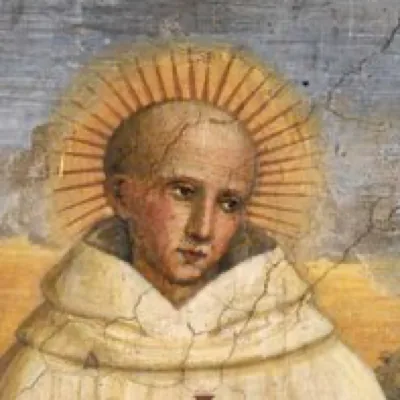
Saint Bernard Tolomei
Founder of the Benedictines of Monte Oliveto
Saint Maria De Mattias
Foundress of the Adorers of the Blood of Christ
In the same region
Blessed Adèle de Batz de Trenquelléon
Foundress of the Daughters of Mary Immaculate
Blessed Agnes of Langeac
Dominican mystic of the Velay
Blessed Alix Le Clerc
Foundress of the Congregation of Notre Dame