
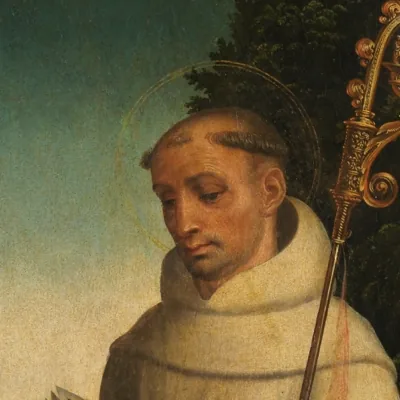
Bernardus Claraevallensis
Saint Bernard of Clairvaux
Abbot of Clairvaux, Doctor of the Church
A monk of Cîteaux and founder of Clairvaux, the “mellifluous” doctor, he was the conscience of twelfth-century Christendom and the singer of the love of God and of the Virgin.
Born in 1090 at the castle of Fontaine, near Dijon, the third of the seven children of the knight Tescelin and of Blessed Aleth, Bernard entered Cîteaux in 1112 or 1113 with some thirty relatives and friends whom he had persuaded to follow him. From 1115 Stephen Harding sent him to found Clairvaux, in a valley of Champagne; he remained its abbot until his death and saw nearly seventy abbeys spring from it.
Sickly and of extreme austerity, he was nevertheless involved in every struggle of his time: he inspired the Rule of the Templars at the Council of Troyes in 1129, had Pope Innocent II recognised during the schism of Anacletus, opposed Abelard and preached the Second Crusade at Vézelay in 1146. One of his monks became pope as Eugene III, for whom he wrote the treatise On Consideration.
His sermons on the Song of Songs, his treatise On Loving God and his homilies on the Virgin Mary make him the last of the Fathers and one of the greatest masters of the spiritual life. He died at Clairvaux on 20 August 1153. Alexander III canonised him in 1174 and Pius VIII proclaimed him a Doctor of the Church in 1830.
The reason for loving God is God himself; the measure of that love is to love without measure.
Celebrated on the same day
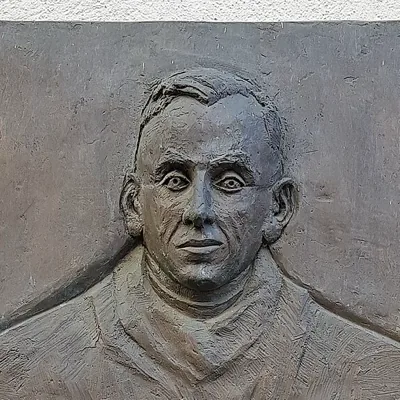
Blessed Georg Häfner
Parish priest of Oberschwarzach, martyr of Dachau
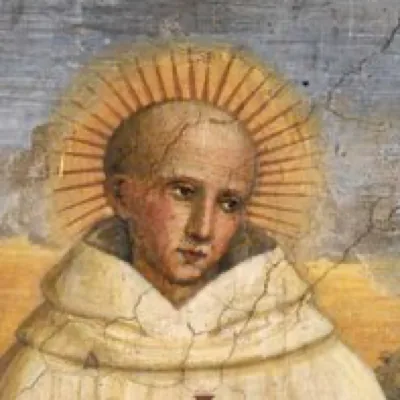
Saint Bernard Tolomei
Founder of the Benedictines of Monte Oliveto
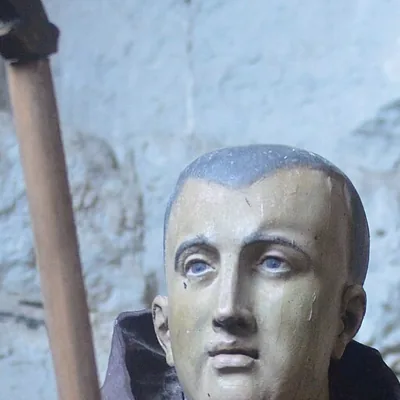
Saint Philibert of Jumièges
Founder of Jumièges and Noirmoutier
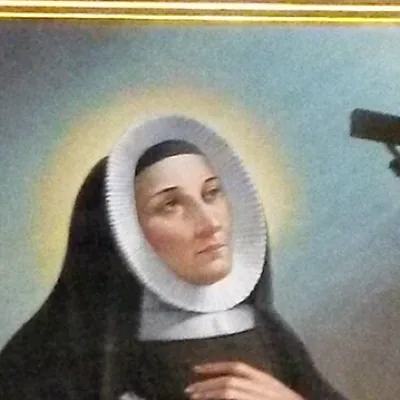
Saint Maria De Mattias
Foundress of the Adorers of the Blood of Christ
In the same region
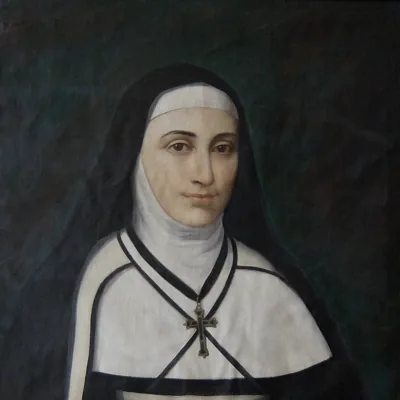
Blessed Adèle de Batz de Trenquelléon
Foundress of the Daughters of Mary Immaculate
Blessed Agnes of Langeac
Dominican mystic of the Velay
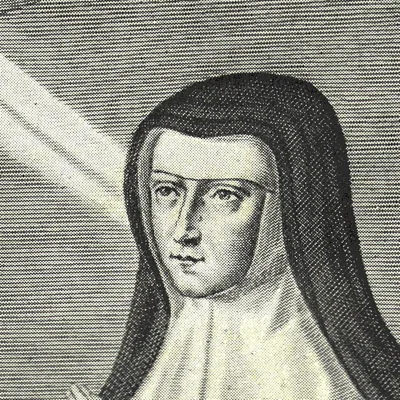
Blessed Alix Le Clerc
Foundress of the Congregation of Notre Dame