
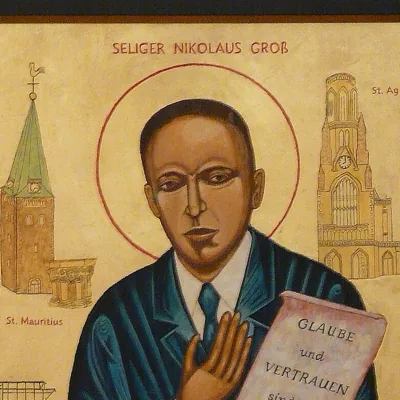
A former miner of the Ruhr who became editor of the newspaper of the Catholic workers’ movement, the father of seven children, he was hanged in Berlin for his links with the resistance to Nazism.
Born in 1898 at Niederwenigern, near Hattingen, Nikolaus Gross went down the mine at fourteen. A Christian trade unionist, he educated himself in evening classes and in 1927 became editor of the Westdeutsche Arbeiterzeitung, the organ of the Catholic workers’ movement (KAB), in which he opposed National Socialism well before 1933. The newspaper, censored and then banned in 1938, continued in the form of formation letters.
Settled in Cologne with his wife Elisabeth and their seven children, he belonged to the Catholic circle of the Ketteler-Haus which, with Bernhard Letterhaus, prepared for the post-Nazi era in contact with the conspirators of 20 July 1944. Arrested on 12 August 1944 and tortured, he was condemned to death by Roland Freisler’s People’s Court in January 1945 and hanged on 23 January at Berlin-Plötzensee; his ashes were scattered.
John Paul II beatified him in Rome in 2001 as a martyr, presenting him as a model of the father of a family and of the committed layman; the diocese of Essen, to which his native town belongs, has made him one of its great figures.
Celebrated on the same day
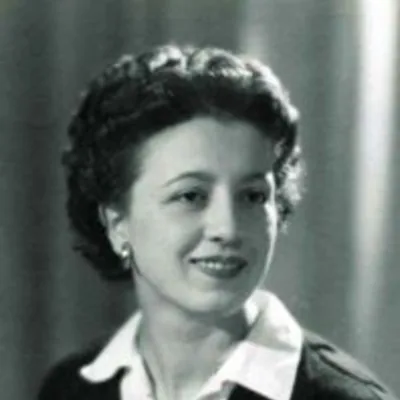
Blessed Benedetta Bianchi Porro
Medical student, light in illness
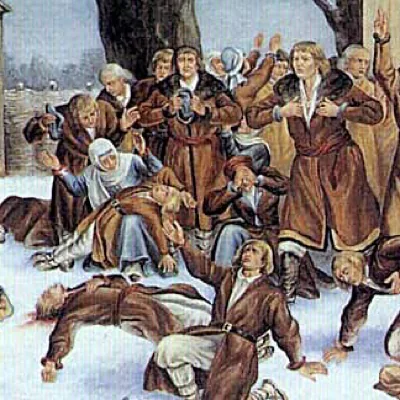
Blessed Wincenty Lewoniuk and his Twelve Companions
Uniate martyrs of Pratulin
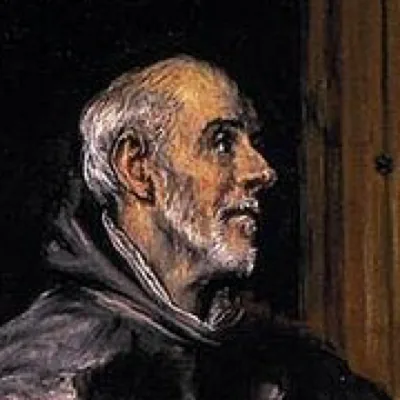
Saint Ildephonsus of Toledo
Archbishop of Toledo, singer of the Virgin
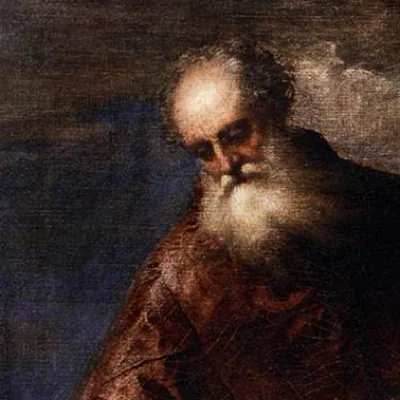
Saint John the Almsgiver
Patriarch of Alexandria
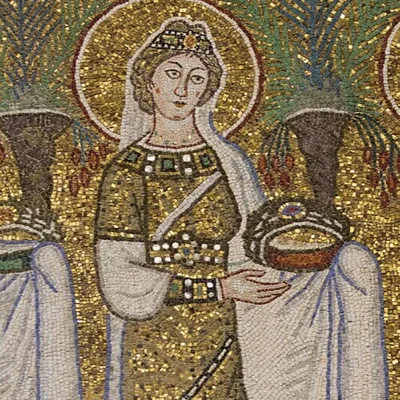
Saint Emerentiana
Martyr, foster-sister of Saint Agnes
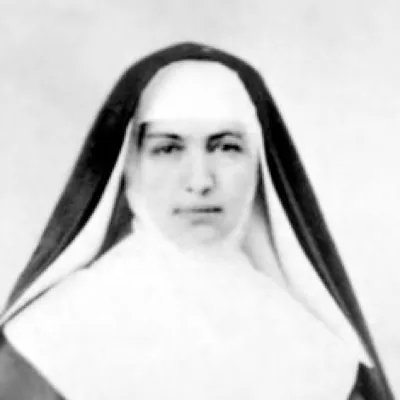
Saint Marianne Cope
Mother of the lepers of Molokai
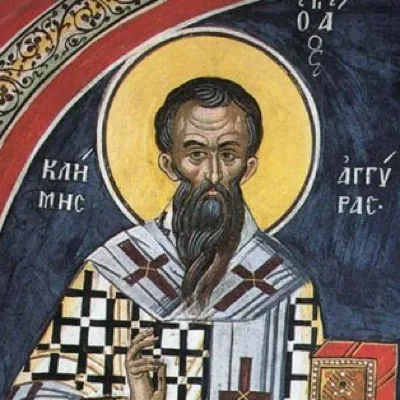
Saints Clement and Agathangelus of Ancyra
Bishop of Ancyra and martyrs
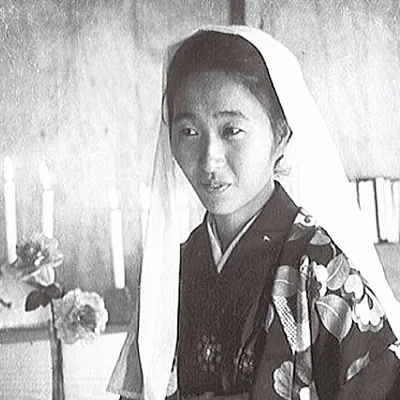
Venerable Elizabeth Maria Satoko Kitahara
“Maria of Ant Town”, servant of the rag-pickers of Tokyo
In the same region
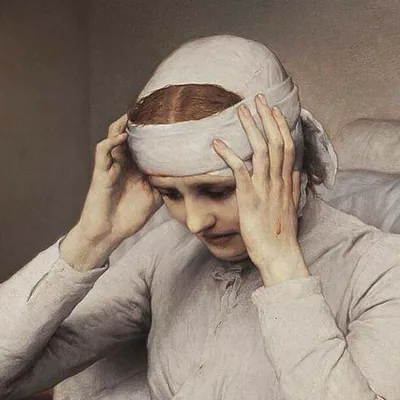
Blessed Anne Catherine Emmerich
The stigmatic of Dülmen
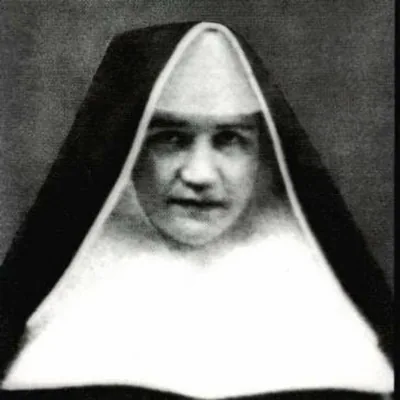
Blessed Blandine Merten
Ursuline, schoolteacher of the Saarland and Trier
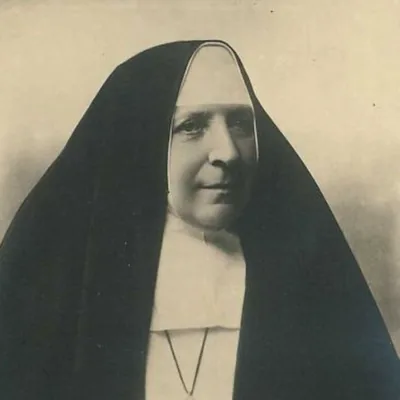
Blessed Clara Fey
Foundress of the Sisters of the Poor Child Jesus