
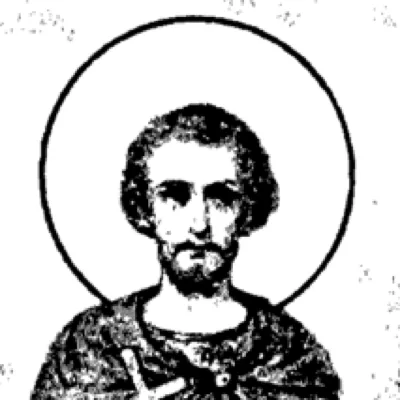
The soldier Marinus, denounced as a Christian just as he was to become a centurion, chose the Gospel rather than the sword; the senator Asterius buried his body with his own hands.
Eusebius of Caesarea relates (Ecclesiastical History VII, 15) that under Gallienus, Marinus, a soldier of illustrious family, was about to receive the rank of centurion when a rival denounced him as a Christian. The judge gave him three hours to reflect. Bishop Theotecnus then led him into the church, set before him his sword on one side and the book of the Gospels on the other, and asked him to choose: Marinus stretched out his hand to the Gospels. Brought back before the tribunal, he confessed his faith and was beheaded.
Asterius, a Roman senator present in Caesarea and a friend of the emperors, lifted the martyr’s body onto his shoulders, wrapped it in a rich garment and gave it a worthy burial (VII, 16). The Roman Martyrology unites them in the same commemoration and reports that Asterius immediately received the honour of martyrdom that he had just paid to the soldier; Eusebius merely recounts his deed and his other acts of faith.
Celebrated on the same day
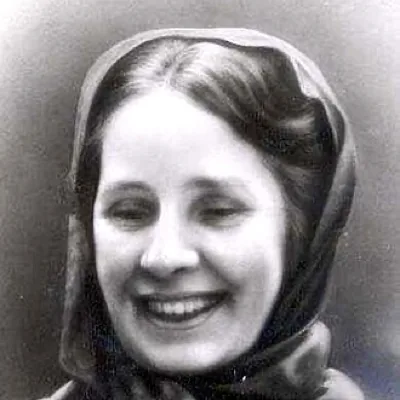
Blessed Concepción Cabrera de Armida
Conchita, mother of a family and mystic
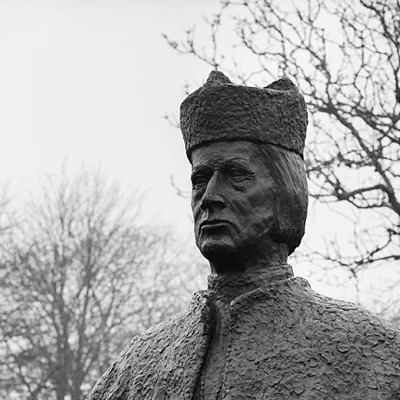
Blessed Frederick of Hallum
Parish priest of Hallum, founder of Mariëngaarde
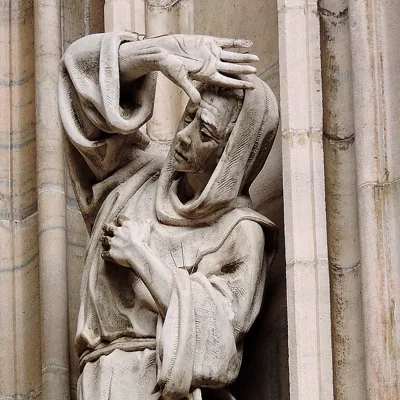
Blessed Liberatus Weiss and Companions
Franciscans, martyrs of Gondar
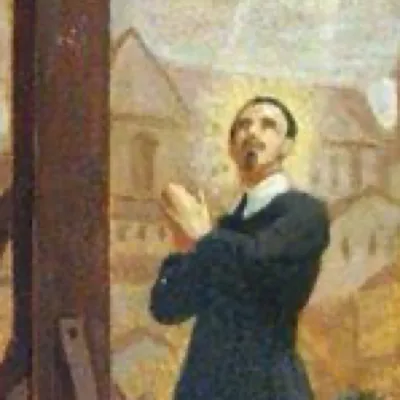
Blessed Pierre-René Rogue
Priest of the Mission, martyr of Vannes
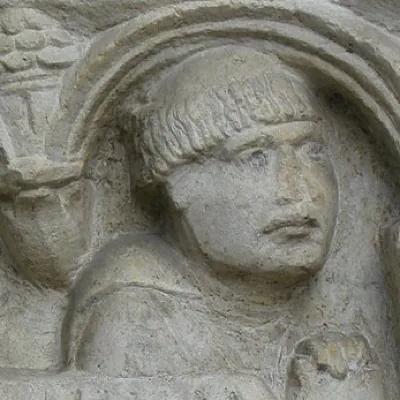
Saint Anselm of Nonantola
Duke of Friuli turned abbot, founder of Nonantola
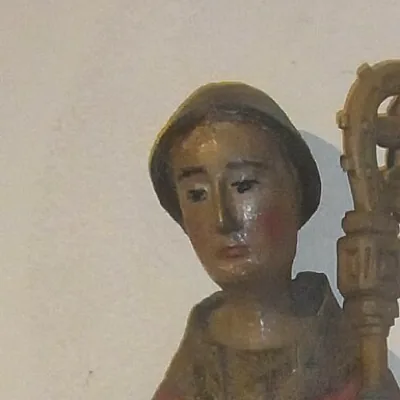
Saint Winwaloe
Founder of Landévennec
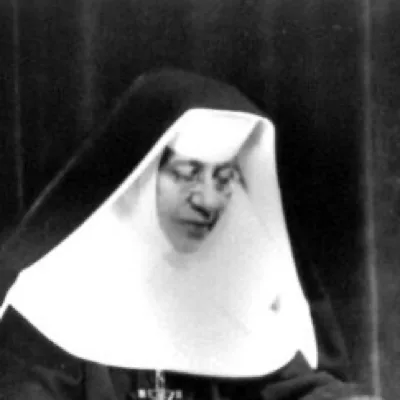
Saint Katharine Drexel
Foundress of the Sisters of the Blessed Sacrament
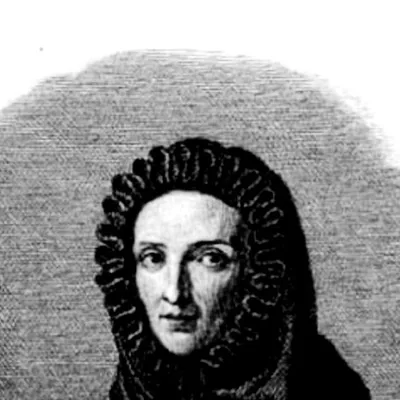
Saint Teresa Eustochio Verzeri
Foundress of the Daughters of the Sacred Heart of Jesus
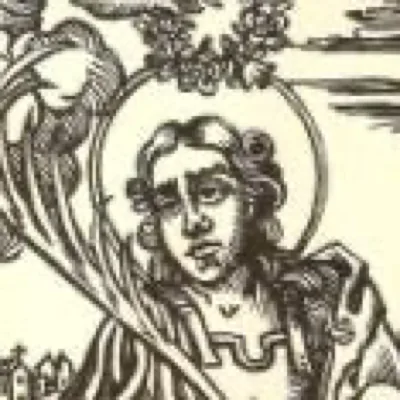
Saints Emeterius and Chelidonius
Soldier martyrs of Calahorra, patrons of Santander
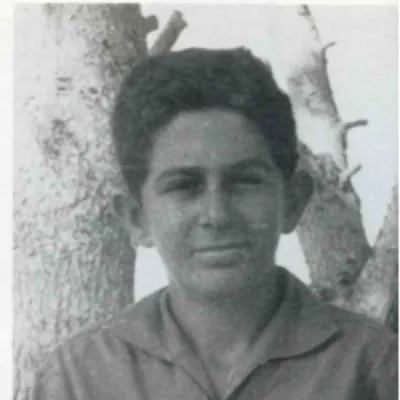
Venerable Faustino Pérez-Manglano
Marianist schoolboy of Valencia
In the same region
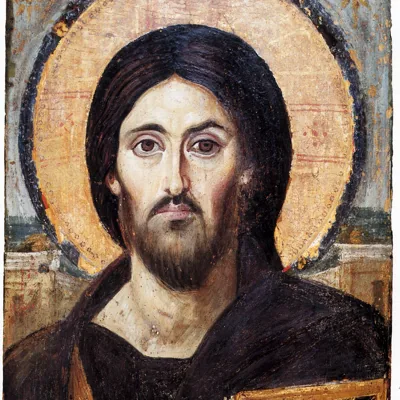
Jesus Christ
The Holy of Holies, the Word made flesh
The Fifty Martyrs of Eleutheropolis
Soldiers of Gaza, martyrs of the Arab conquest
The Franciscan Martyrs of Jerusalem
Friars of the Custody of the Holy Land, martyrs in 1391