
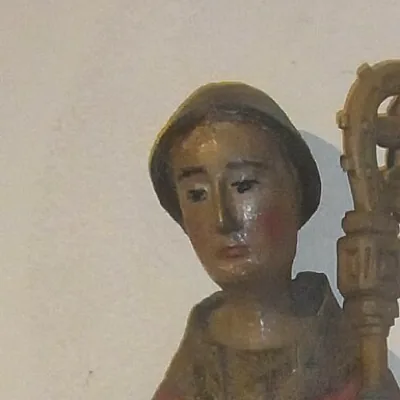
A disciple of Saint Budoc, he founded the abbey of Landévennec, at the head of the roadstead of Brest, which became one of the great monastic centres of Brittany.
Winwaloe (in Breton Gwennole, in French Guénolé, in Latin Winwaloeus) is known only from texts written at Landévennec in the ninth century, more than three centuries after his death: a hymn by the monk Clement and a great Life by Abbot Gurdisten. According to them, he was the son of Saint Fragan and Saint Gwen, Britons who had come from the island of Britain and settled near Saint-Brieuc. As a child he was entrusted to Saint Budoc, who kept a monastic school on the island of Lavret, in the Bréhat archipelago.
The account relates that Saint Patrick appeared to him in a dream to turn him from leaving for Ireland and to invite him to found a monastery in Armorica. With eleven companions he first settled on the islet of Tibidy, at the head of the roadstead of Brest, then, according to the legend, opened a passage through the sea to reach the opposite bank of the Aulne, where he founded Landévennec. He died there around 532, in the midst of his monks, like Saint Benedict. The legend of the city of Ys also shows him beside King Gradlon.
Landévennec, named as early as 818 in a charter of Louis the Pious which imposed on it the Rule of Saint Benedict, became a great religious centre of western Brittany. In the tenth century, fleeing the Normans, the monks carried his relics to Montreuil-sur-Mer, where they were venerated under the name of Saint Walloy until their destruction in 1793. His name has remained very present in Breton place-names, and the abbey, rebuilt in the twentieth century, still invokes him as its father.
Celebrated on the same day
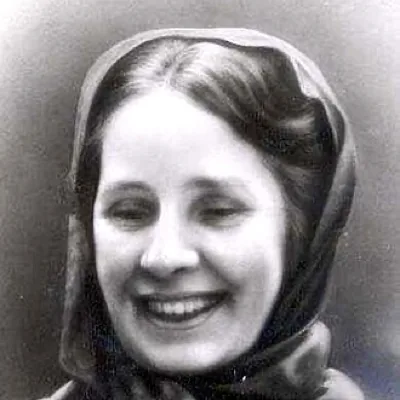
Blessed Concepción Cabrera de Armida
Conchita, mother of a family and mystic
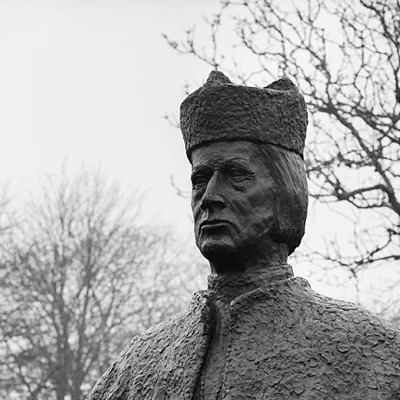
Blessed Frederick of Hallum
Parish priest of Hallum, founder of Mariëngaarde
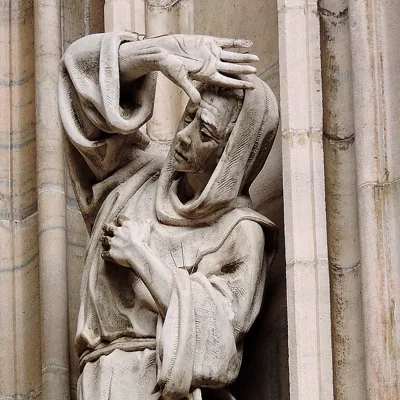
Blessed Liberatus Weiss and Companions
Franciscans, martyrs of Gondar
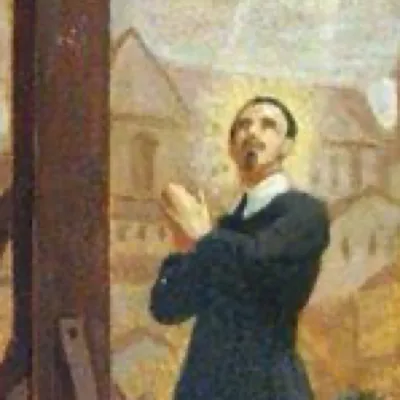
Blessed Pierre-René Rogue
Priest of the Mission, martyr of Vannes
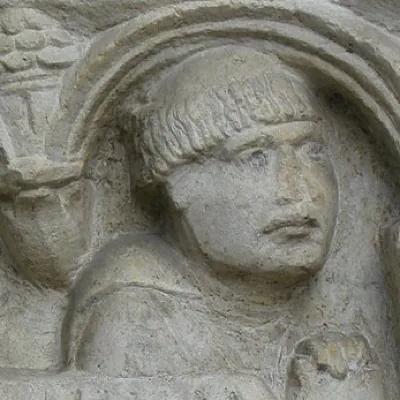
Saint Anselm of Nonantola
Duke of Friuli turned abbot, founder of Nonantola
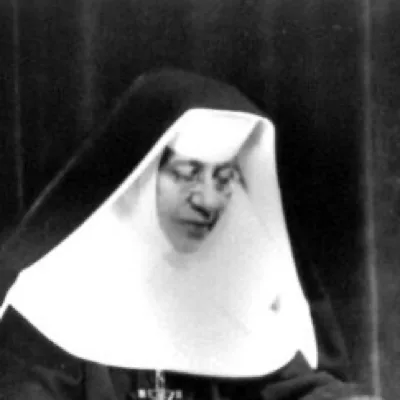
Saint Katharine Drexel
Foundress of the Sisters of the Blessed Sacrament
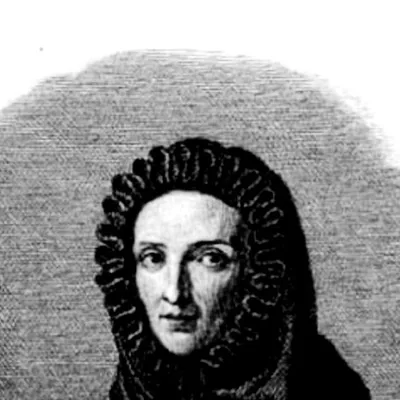
Saint Teresa Eustochio Verzeri
Foundress of the Daughters of the Sacred Heart of Jesus
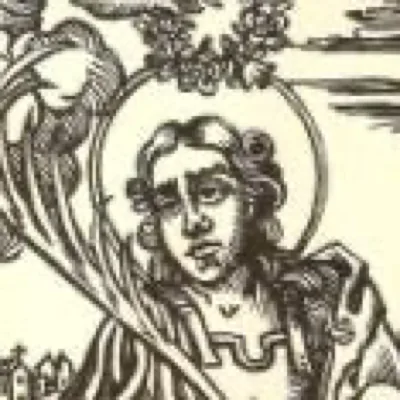
Saints Emeterius and Chelidonius
Soldier martyrs of Calahorra, patrons of Santander
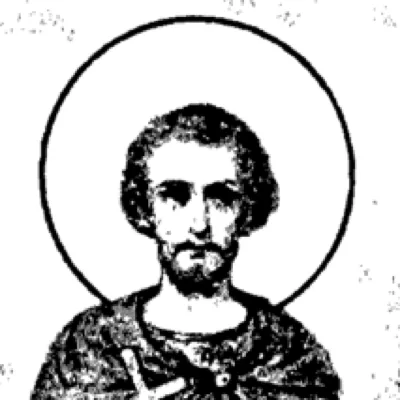
Saints Marinus and Asterius
Soldier and senator, martyrs at Caesarea
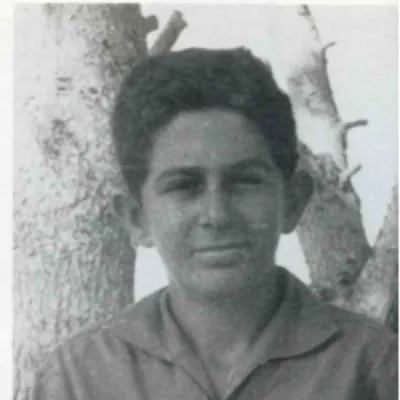
Venerable Faustino Pérez-Manglano
Marianist schoolboy of Valencia
In the same region
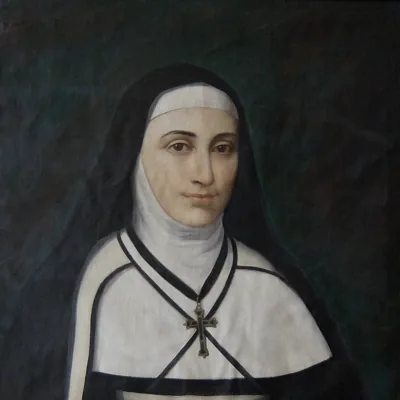
Blessed Adèle de Batz de Trenquelléon
Foundress of the Daughters of Mary Immaculate
Blessed Agnes of Langeac
Dominican mystic of the Velay
Blessed Alix Le Clerc
Foundress of the Congregation of Notre Dame