
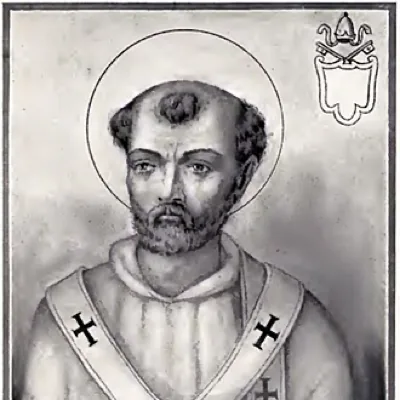
First successor of Saint Peter on the see of Rome according to Saint Irenaeus, Linus is probably the companion whom Saint Paul greets in his second letter to Timothy; his name opens the list of popes in the Roman Canon.
Around 180, Saint Irenaeus of Lyon drew up the oldest list of the bishops of Rome: after founding and establishing the Church of the City, he writes, the blessed apostles Peter and Paul handed over the office of the episcopate to Linus (Against Heresies, III, 3, 3). He identifies him with the Linus whom Paul names among those who send greetings at the end of the second letter to Timothy (2 Tim 4:21). Eusebius of Caesarea takes up this succession, which makes Linus the second pope. Almost nothing is known of his pontificate, which is usually placed between about 67 and 76; the Liberian Catalogue of 354 gives him a little over twelve years of rule.
The Liber pontificalis, compiled in the sixth century, says he came from Tuscany and was the son of a certain Herculanus; it attributes to him the rule requiring women to enter church with their heads veiled and places his burial at the Vatican, near the body of Saint Peter. Long honoured as a martyr, Linus is simply commemorated as pope by the Roman Martyrology of 2004, which no longer gives him that title: no ancient source reports his death. His name comes first among the popes cited in the Roman Canon of the Mass (“Linus, Cletus, Clement, Sixtus, Cornelius”), where his memory has remained alive.
Celebrated on the same day
Blessed Elena Duglioli
Mystic of Bologna, origin of Raphael’s Saint Cecilia
Blessed Francisco de Paula Victor
Padre Victor, parish priest of Três Pontas
Saint Adomnán of Iona
Abbot of Iona, biographer of Saint Columba
Saint Cristóbal of Tlaxcala
Child martyr, protomartyr of Mexico
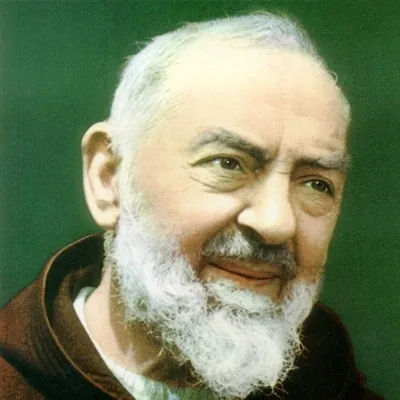
Saint Pio de Pietrelcina
Padre Pio, capucin stigmatisé
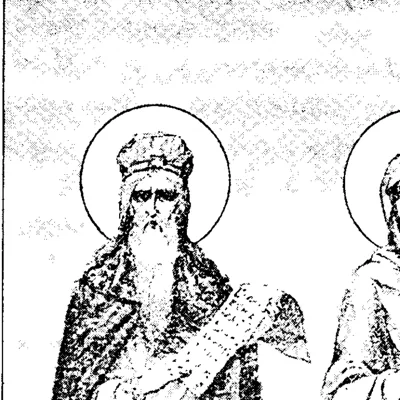
Saint Zacharie et sainte Élisabeth
Parents de saint Jean-Baptiste
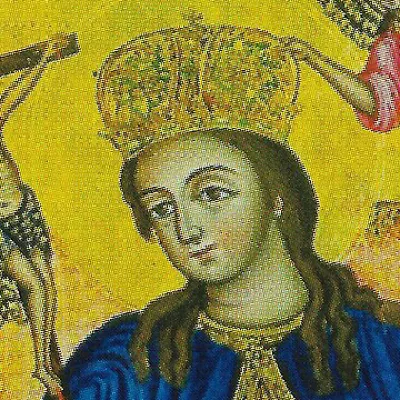
Sainte Thècle
Disciple de saint Paul, protomartyre
Saints Cristóbal, Antonio and Juan
The child martyrs of Tlaxcala
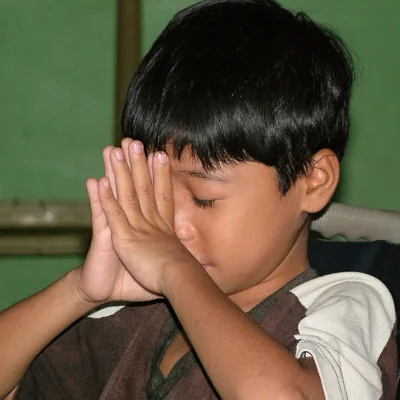
Servant of God Darwin Ramos
Street child of Manila, ‘master of joy’
In the same region
Blessed Angelina of Marsciano
Foundress of the Franciscan Sisters of the Third Order Regular
Blessed Anna Rosa Gattorno
Widow, foundress of the Daughters of St Anne
Blessed Anna Maria Taigi
Mother of a family and Roman mystic