
A missionary bishop who came, according to his Life, from Ireland, he evangelised the region of Ghent and was killed by pagans at Esse; his tomb at Houtem is one of the great pilgrimage sites of Flanders.
The Life of Saint Livinus, written in the eleventh century, makes him an Irish bishop who came to preach in Brabant and Flanders in the seventh century, at the invitation of Saint Bavo, whose epitaph he is said to have written. He evangelised the surroundings of Ghent, where his preaching met with fierce resistance.
Around 657 pagans put him to death at Esse, today Sint-Lievens-Esse; tradition reports that his tongue was torn out before he was beheaded. Buried at Houtem (Sint-Lievens-Houtem), he became the object of a pilgrimage there, and his relics were taken in 1007 to the abbey of Saint Bavo in Ghent. Saint Bavo’s Cathedral preserves his cult, and Ghent celebrates him on 12 November; the fair of Sint-Lievens-Houtem, on his feast day, goes back to the Middle Ages.
Celebrated on the same day
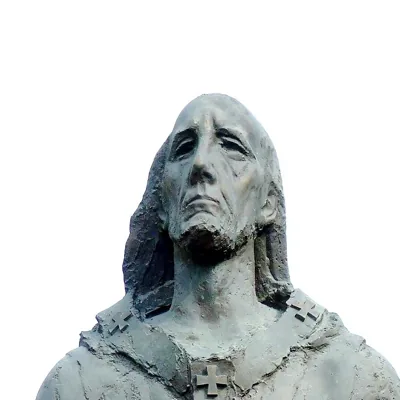
Saint Astrik of Kalocsa
First archbishop of Kalocsa
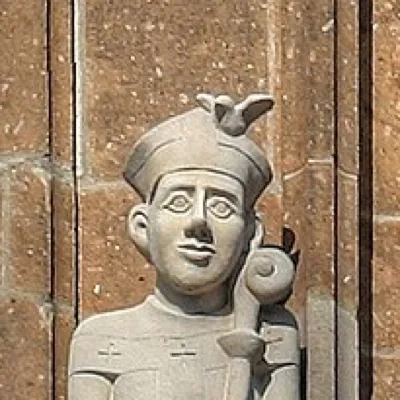
Saint Cunibert of Cologne
Bishop of Cologne
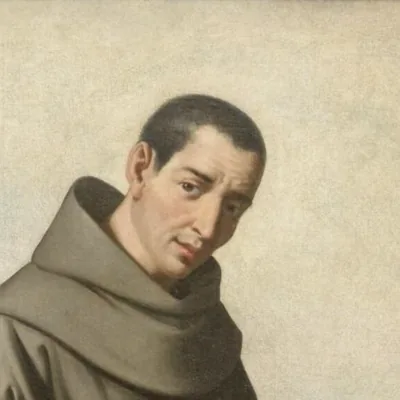
Saint Didacus of Alcalá
Franciscan brother
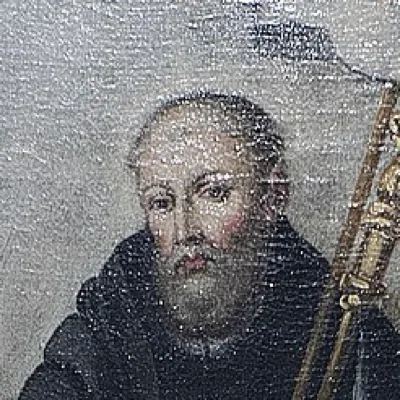
Saint Emilian of La Cogolla
Hermit and abbot, San Millán
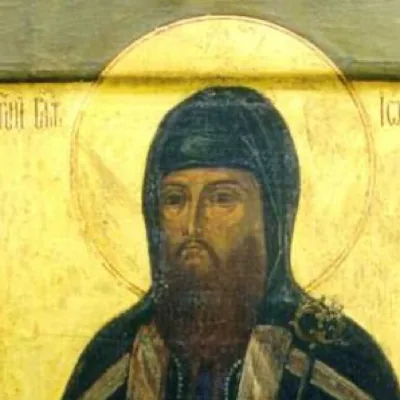
Saint Josaphat Kuntsevych
Archbishop of Polotsk, martyr of unity
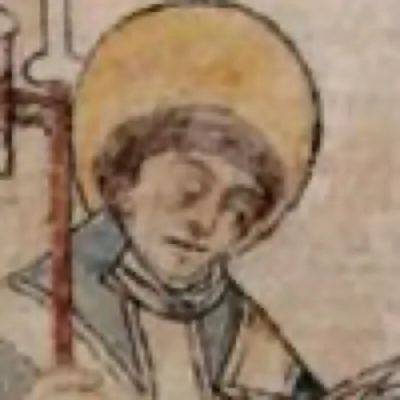
Saint Lebuin
Anglo-Saxon missionary, apostle of the IJssel
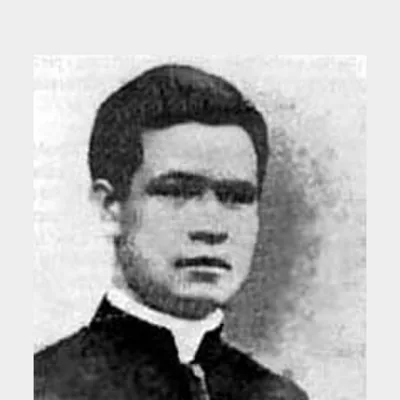
Saint Margarito Flores García
Parish priest of Atenango del Río
Saint Nilus of Ancyra
Abbot, ascetical writer
In the same region
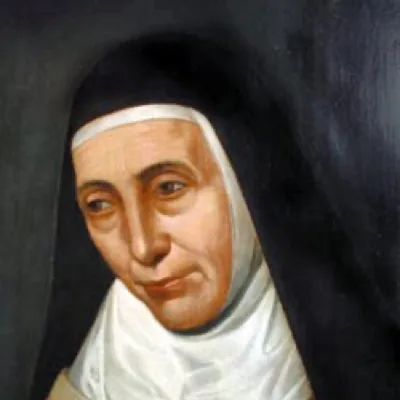
Blessed Anne of St Bartholomew
Companion of St Teresa, protector of Antwerp
Blessed Émilie d'Oultremont
Mother Marie de Jésus, foundress of Marie-Réparatrice
Blessed Eve of Liège
Recluse of Saint Martin, promoter of the feast of Corpus Christi